
Welcome to Soil And Seed
You’ve tried planting a seed—maybe it was an heirloom tomato, maybe just a packet of basil—and nothing happened. The soil stayed dry, the leaves curled, or the whole thing rotted before it ever reached the light. Gardening isn’t supposed to feel like this.
It’s supposed to be the quiet, stubborn joy of watching something grow from nothing, even when the instructions say it should be easy.
This site is for the rest of us: the people who want to grow things but don’t know where to start, the ones who’ve killed more plants than they’ve saved, and the stubborn few who keep trying anyway.
Here, you’ll find the lessons we’ve learned the hard way—what works, what doesn’t, and how to tell the difference before you’ve lost another season’s worth of hope.
Our story
The first time Milton Dellinger tried to grow something from seed, it was in a cracked terracotta pot on a fire escape in Chicago. The basil he planted that spring never made it past the second leaf before the slugs found it.
But instead of giving up, he started asking why—why the soil stayed too wet, why the leaves turned yellow, why the neighbors’ tomatoes always looked better.
The answers weren’t in the seed packets or the gardening books; they were in the dirt itself, in the way the light hit the plants at different hours, in the small, stubborn details most guides skipped over.
The site started as a notebook of those details: the exact depth to plant a carrot seed, the best time to turn the compost in a rainy May, how to tell if a seed is still viable without breaking the tooth.
It wasn’t until a few years later, after moving to a small homestead in rural Oregon and watching the same lessons play out in a real garden, that the notes became something more.
The fire escape basil was gone, but the questions remained—the ones that didn’t have easy answers, the ones that required patience and observation.
One afternoon in July, with the soil still warm from the day’s sun and the tomato vines heavy with unripe fruit, Milton realized the site wasn’t just about fixing mistakes. It was about the process of learning them.
That’s when the structure changed: no more vague advice, no more assumptions about perfect conditions. Just the truth, as it happened in real gardens, with real failures and real breakthroughs.
The tagline came later, after watching a single seedling push through cracked earth one April morning—*Seedlings push through soil—where growth begins.*
What we stand for
This site exists because gardening is often taught as a series of rules, not a conversation. We believe the best lessons come from the dirt, not the instruction manual.
What you will always get here
- Plants that actually grow in your conditions—not just the ones that thrive in a greenhouse in California.
- Practical fixes for real problems: wilting leaves, pests that won’t quit, soil that refuses to drain.
- No jargon. If we say ‘amend the soil,’ we’ll tell you what that means and how to do it with what you have.
- A focus on the *why* behind the *how*. Understanding the soil’s pH isn’t just about numbers; it’s about why your blueberries taste like dirt.
Behind *Soil And Seed* is a small team of gardeners who’ve spent years learning the hard way what works—and what doesn’t.
They’re not professional horticulturists with degrees or awards; they’re the people who’ve lost entire crops to deer, who’ve watered their plants to death, and who’ve finally figured out how to keep the squash bugs from taking over.
Their backgrounds range from urban balconies to rural fields, but the questions they ask are the same: *How do I make this work where I live?*
Milton Dellinger
Milton Dellinger is the founder and editor of *Soil And Seed*, and his approach to gardening is shaped by the same patience he learned from his grandfather, who taught him that the best lessons come from watching, not just doing.
Before this site, he spent years working in small-scale organic farms, where he learned that the most reliable advice often came from the oldest hands—not the newest research.
His desk is always cluttered with seed catalogs, a well-worn trowel, and a notebook filled with sketches of plant problems he’s trying to solve. He still gets the spacing wrong on his first try every season, no matter how many guides he’s written.
I don’t care about perfect rows or award-winning tomatoes. What I care about is the first time a seedling breaks through the soil and you realize something that wasn’t there yesterday is now *here*. That’s the magic part—it’s not in the harvest, it’s in the waiting.
Milton Dellinger
How we create our content
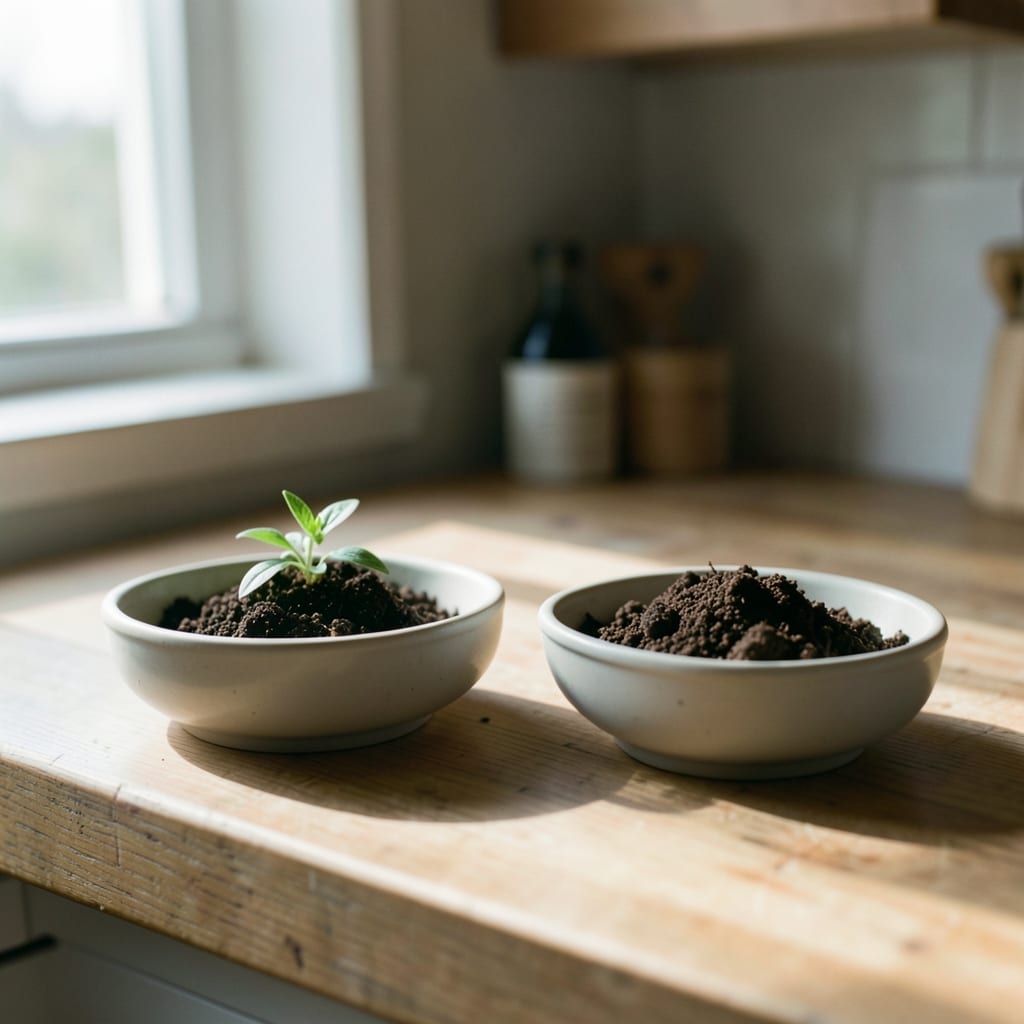
Every piece on this site starts with a problem—something that didn’t go as planned in a real garden.
Whether it’s a failed crop, a plant that refused to thrive, or a technique that sounded good in a book but fell apart in practice, we begin with the mistake, not the solution.
The goal isn’t to tell you how to grow something perfectly; it’s to help you recognize what went wrong before you’ve lost another season’s worth of effort.
The first draft: observing, not guessing
The process begins in the garden, not at a desk. We spend at least three seasons testing every technique before it’s written about—planting the same crop in different soils, adjusting watering schedules by the hour, and keeping detailed notes on what survives and what doesn’t.
For example, a guide on saving tomato seeds starts with planting three varieties in the same bed, then tracking how each reacts to heat, rain, and pests over 90 days. No shortcuts. If a method hasn’t been tried in three different climates, it doesn’t make the page.
The first draft is always messy. It’s a mix of observations, failed experiments, and the raw data: soil pH levels, exact planting depths, and the hour-by-hour changes in leaf color. We don’t edit for perfection yet—just for honesty.
The goal is to capture the garden as it is, not as we wish it were. That’s when the real work begins: turning the chaos into something useful.
The second draft: fixing what didn’t work
Once we have the raw notes, the editing starts. Every guide is reviewed by at least two people—one who grew up in a dry climate and one from a rainy one—to catch the mistakes that only show up in specific conditions.
For instance, a tip about mulching might work in Arizona but fail in Seattle, so we adjust for both. We also bring in gardeners who’ve never tried the technique before to see where the instructions break down. If a step is confusing or a tool is unnecessary, it gets cut.
The final version isn’t just about what to do; it’s about how to recognize when you’re doing it wrong. That’s why every guide includes a ‘Troubleshooting’ section—signs that something’s off, and how to fix it before the plant gives up. The result?
Advice that works in your garden, not just in ours.
Join our community
This site isn’t just about reading—it’s about sharing the questions and answers that don’t fit into a guide. Here, you’ll find discussions on what actually grows in your hardiness zone, not what *should* grow in a textbook.
Others send in photos of their worst gardening disasters (and how they fixed them), and the best suggestions often become new guides. If you’ve ever wondered why your zucchini plants keep dying of blight or how to coax life out of compacted clay soil, you’re already part of the conversation.
Let's connect
We love hearing about the gardens that surprise you—the ones that grew when the guides said they wouldn’t, or the ones that refused to cooperate no matter what you tried.
If you’ve got a question that stumps even the experts, or a tip that saved your season, there’s a place for it on the contact page. And if you’re just starting out? Send us a photo of your first failed attempt. We’ve all been there.
Growth begins in the soil, but it doesn’t stop when the harvest is in.
The guides are grouped by category: Advice, Aphids, Blooming, Companion Plants, Container Gardens and Diseases.