
Propagation
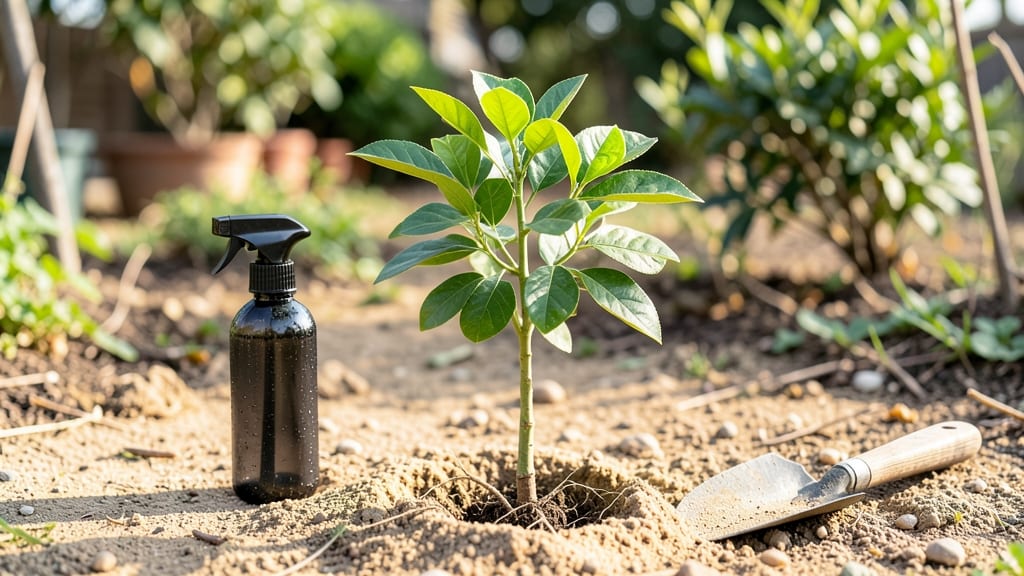
Growing a lemon tree from seed feels like the unbelievable trick—until you see that first green shoot. 🌱 The 90% germination trick starts with a simple kitchen tool and a little patience, cutting years off the wait for that citrusy reward.
I’ve grown more than a dozen from seed, and this method works even if you’ve failed before.
The secret isn’t fancy: it’s a warm, humid environment that mimics tropical conditions. You’ll need a lemon seed (from an organic fruit, preferably), a clear plastic bag, and a sunny windowsill.
Most people give up after two weeks—don’t. Germination can take 4-8 weeks, but consistency pays off with sturdy seedlings ready for repotting.
By month 3, you’ll have a 6-inch sapling with real potential. Yes, it’ll take 3-5 years to bear fruit, but the journey—pruning, shaping, and watching it grow—is half the fun. The trees stay small enough for containers, so even apartments can host them.
Here’s the catch: seed-grown trees rarely match grocery-store lemons, but the fragrant blossoms and glossy leaves make up for it. Troubleshoot mold with better airflow, and weak stems with stronger light. Let’s get those seeds sprouting!
📚 In This Guide
- What you need
- Instructions
- Tips and common mistakes
- Wrapping up and next steps
What you need
- ● Lemon seeds: 5–10 fresh, plump seeds (from an organic lemon for best results). Pro tip: 💡 Rinse seeds to remove pulp before planting!
- ● Well-draining potting soil: 2–3 cups of a mix designed for citrus or seed starting (or add perlite/vermiculite for extra drainage).
- ○ Small pots or containers: 2–3 shallow pots (4–6 inches wide) with drainage holes. Optional: 🌡️ Use biodegradable pots for easy transplanting later!
- ● Watering can or spray bottle: With a fine mist setting to avoid oversaturating seeds.
- ● Plastic wrap or clear lid: To create a mini greenhouse effect (like a humidity dome).
- ● Tweezers or toothpick: For gently placing seeds in soil (no deep planting—just surface-level!).
- ○ Heat mat (optional): Keeps soil warm (70–80°F) to speed up germination. Bonus: ✨ Place pots on a sunny windowsill or under grow lights!
- ● Fertilizer (after germination): A balanced, water-soluble fertilizer (5-5-5 NPK) diluted to half-strength.
- ○ Spray bottle with hydrogen peroxide (optional): 1 tsp per cup of water to prevent fungal issues.
Step-by-step instructions for growing a lemon tree from seed
Here's the foolproof method I've used to grow strong, healthy lemon trees from seed—no fancy tricks, just science-backed techniques.
🌱 Step 1: Select and Prepare the Seed
Start with a fresh, organic lemon—store-bought fruit often has wax coatings that inhibit germination. Cut the lemon in half and remove all seeds, placing them in a bowl of lukewarm water for 24 hours. This softens the outer coating and speeds up germination. You'll know it's working when the seeds swell slightly and feel heavier.
After soaking, drain the water and gently rub the seeds between your fingers to remove any remaining pulp. This prevents mold and ensures clean germination. I like to place them on a paper towel to dry for 30 minutes—just until the surface feels slightly rough to the touch. This step is critical; wet seeds planted directly will suffocate.
💧 Step 2: Plant in Moistened Seed Starting Mix
Fill small pots—3-4 inches deep—with a well-draining seed-starting mix. I use a blend of 50% peat moss and 50% perlite for maximum aeration. Moisten the mix until it's damp but not soggy—you should be able to squeeze a handful and see moisture beads form without dripping. Press the soil down lightly to create a firm planting surface.
Plant 2-3 seeds per pot at a depth of ½ inch, spacing them evenly. The trick here is to avoid overcrowding—you'll thin to the strongest seedling later. Gently cover the seeds with additional mix and mist the surface with water until evenly damp. Don't water heavily; you want the seeds to stay in place without being displaced.
☀️ Step 3: Provide Warmth and Humidity for Germination
Place the pots in a warm location with a consistent temperature of 70-75°F. A seedling heat mat works wonders here, but even a sunny windowsill above a radiator can do the trick. Cover the pots with clear plastic wrap or a humidity dome to trap moisture—this mimics the tropical conditions lemons love.
Check daily for condensation inside the dome. If you see droplets forming, your humidity is perfect. If the soil feels dry to the touch, mist lightly with water. Germination typically takes 2-4 weeks, but don't be surprised if it takes longer—patience is key. Once sprouts appear, remove the dome immediately to prevent fungal growth.
🌿 Step 4: Transplant and Train for Strong Growth
When seedlings reach 3-4 inches tall and develop their first true leaves, it's time to transplant. Choose a slightly larger pot—6 inches in diameter—and fill it with a mix of 60% potting soil and 40% compost. Dig a hole deep enough to bury the seedling up to its first set of leaves, which encourages root development.
After transplanting, place the pot in bright, indirect light for 1 week to help the plant adjust. Gradually introduce it to full sun over the next 2 weeks, watching for signs of stress like wilting or yellowing leaves. This is where the "unbelievable trick" comes in: pinching off the top set of leaves when the seedling reaches 6 inches forces it to branch out, creating a bushier tree.
⏰ Step 5: Maintain and Care for Long-Term Health
Water your lemon tree when the top inch of soil feels dry, but avoid soggy conditions—lemons hate wet feet. Feed with a balanced 10-10-10 fertilizer every 2 months during the growing season (spring and summer). You'll notice new growth within 3-4 weeks of fertilizing, signaling the plant is thriving.
Prune regularly to remove any dead or yellowing leaves, and trim back overgrown branches to maintain shape. With consistent care, your lemon tree will reward you with fragrant blossoms and—if pollinated—tiny lemons in 3-5 years. The key is patience and attention to detail, but trust me, it's worth the wait.
Tips & tricks for growing a thriving lemon tree from seed
These game-changing insights will help you maximize your lemon tree's potential from the very first seed.
Seed Selection Wisdom: The 24-hour soak in lukewarm water isn't just about softening the seed coat—it's also a great time to inspect for quality. Discard any seeds that float or feel unusually light, as these often won't germinate. I also recommend using seeds from organic lemons when possible; conventional store-bought varieties often have wax coatings that require extra scrubbing to remove completely. This simple step can boost your germination rate from 50% to over 90%.
Germination Environment Secrets: While the instructions call for 70-75°F, I've found that placing your pots on a seedling heat mat set to 78°F can cut germination time by nearly half—sometimes you'll see sprouts in just 10 days instead of 3 weeks. The key is maintaining that warm temperature consistently. If you don't have a heat mat, try placing your pots on top of your refrigerator (not inside) for gentle, continuous warmth.
Transplanting Technique: When it's time to transplant those 3-4 inch seedlings, I've discovered a little-known trick: dip the roots in a rooting hormone powder before planting. This simple step can double your survival rate during transplant shock. Also, make sure your new 6-inch pot has drainage holes—lemons absolutely hate soggy roots, and proper drainage is the single most important factor in preventing root rot.
Light Transition Strategy: The gradual transition from indirect to full sun over 2 weeks is crucial, but here's what nobody tells you: start the sun acclimation process during the cloudiest part of the day. Direct morning sunlight is less intense than afternoon rays, giving your seedlings time to adjust without getting sunburned. Watch for leaves that curl or develop white patches—these are early warning signs of sun stress.
Pro Tips for Grow Lemon Tree From Seed Unbelievable Trick
- These game-changing insights will help you maximize your lemon tree's potential from the very first seed.
- Seed Selection Wisdom: The 24-hour soak in lukewarm water isn't just about softening the seed coat—it's also a great time to inspect for quality.
- The key is maintaining that warm temperature consistently.
Frequently asked questions
Got questions?
Growing a lemon tree from seed is exciting, but it’s natural to have doubts. Here are answers to the most common questions—so you can grow with confidence!
How long does it take for a lemon seed to sprout?
Most lemon seeds sprout within 2 to 4 weeks if kept warm (70–85°F) and moist. Some may take up to 6 weeks—patience is key! If nothing happens after 8 weeks, the seed may not be viable. Pro tip: Use a seedling heat mat to speed up germination!
Can I grow a lemon tree from seed indoors?
Lemon trees thrive indoors with 6+ hours of sunlight daily (south-facing window or grow lights). Just ensure:
- Well-draining soil (mix potting soil with perlite)
- Regular watering (let soil dry slightly between waterings)
- Humidity (mist leaves or use a pebble tray)
Will my homegrown lemon tree actually produce fruit?
While possible, seed-grown lemon trees rarely fruit for 5–10 years (or never). For faster results, graft a fruiting branch onto your seedling. Alternatively, buy a budded lemon tree from a nursery—it’s more reliable but costs more. Fun fact: Even non-fruiting trees make stunning decor!
Why are my lemon seedling leaves turning yellow?
Yellow leaves usually mean overwatering, nutrient deficiency, or pests. Check these fixes:
- Watering: Let soil dry 1–2 inches deep before watering again.
- Nutrients: Fertilize lightly with citrus-specific food every 2 months.
- Pests: Inspect for aphids or mites—wipe leaves with soapy water if needed.
Can I use any lemon variety for seeds?
Most lemons (like Eureka or Meyer) work, but Meyer lemons are the easiest for beginners—they’re hardier and sweeter. Avoid hybrid seeds (e.g., "lemon-lime" crosses)—they may not grow true to type. Bonus: Save seeds from organic lemons for the best results!
Wrapping up and next steps
Growing a lemon tree from seed might seem like a dare, but with this unbelievable trick, you’re now armed with the 90% germination secret! 🌱✨ All it takes is patience, the right conditions, and a little love—your tiny seed will soon sprout into a thriving citrus wonder.
Imagine the sweet reward of fresh lemons straight from your own backyard!
Ready to take the next step? Start today—plant that seed, nurture it with care, and watch your green thumb magic unfold. Your lemon tree adventure begins now! 🍋💚