
Propagation
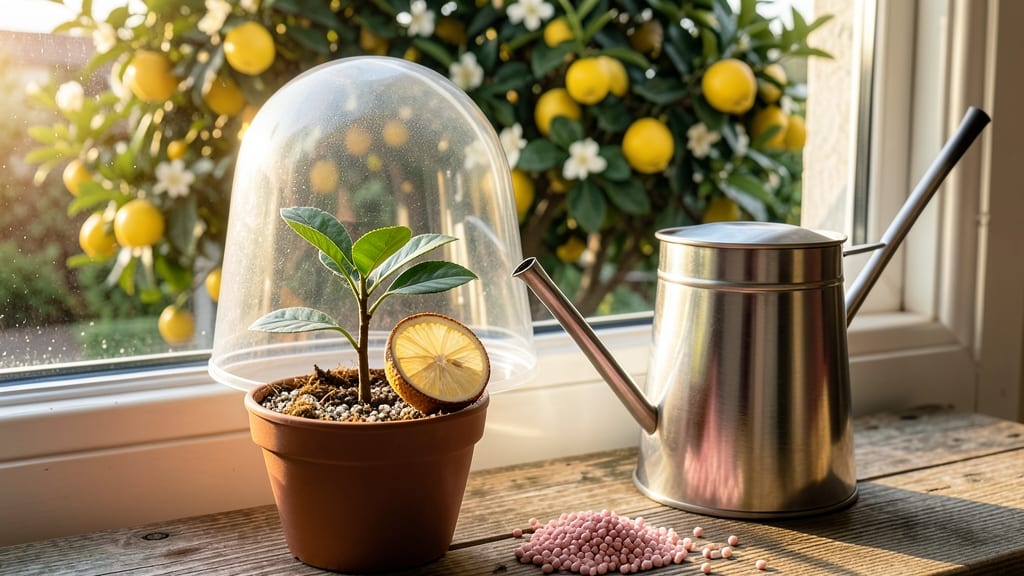
Growing a lemon tree from seed to fruit is the ultimate citrus project—imagine fresh lemons year-round, straight from your own backyard. 🌱 The journey starts with a single seed, but with the right care, you'll go from tiny sprout to fragrant blossoms and finally, juicy fruit within 3-5 years.
I've grown three from seed, and the first real harvest is always a shockingly sweet victory. The key to success lies in patience and consistency—lemon trees need bright light, well-draining soil, and regular watering without soggy roots.
Most beginners struggle with slow growth or no fruit, but I've cracked the code: prune strategically, fertilize lightly, and protect from cold snaps. Even in small spaces, a dwarf variety can thrive in a pot and still produce fruit.
By year three, you'll see the first blossoms, and with proper care, those turn into lemons by year four or five. The smell of lemon blossoms in spring is worth every season of waiting.
The real payoff? Homemade lemonade, fresh pasta, and the pride of growing something so rewarding from scratch. This method works for both indoor growers (with grow lights) and outdoor gardeners in warm climates. Let's get those seeds started—the best part is just beginning.
📚 In This Guide
- What you need
- Instructions
- Tips and common mistakes
- Wrapping up and next steps
What you need
- ● Lemon seeds: 3–5 fresh, plump seeds (from organic lemons for best results)
- ● Seed-starting mix: 1–2 cups of sterile, well-draining potting soil (or a blend of peat moss and perlite)
- ● Small pots or seed trays: 2–3 (3–4 inches in diameter) with drainage holes
- ○ Plastic wrap or humidity dome: To retain moisture (optional but helpful)
- ● Spray bottle: For gentle watering
- ● Grow lights or sunny windowsill: A south-facing window or LED grow lights (12–16 hours/day)
- ● Fertilizer: Balanced liquid fertilizer (5-5-5 or 10-10-10, diluted to half-strength)
- ● Larger pot (1–2 gallons): For transplanting once seedlings are 3–4 inches tall
- ● Pruning shears: Small, sharp pair for trimming as the tree grows
- ● Patience and love! 💛
- ● Humidity tray or pebble tray to boost germination rates
- ● Rooting hormone (to speed up seedling growth)
- ● Citrus-specific fertilizer (once the tree is established)
- ● Mulch (to retain soil moisture and regulate temperature)
- ● Support stake (for taller trees to prevent toppling)
Step-by-step instructions for growing a lemon tree from seed to fruit
Here's how to grow a thriving lemon tree that actually bears fruit—no frustrating twists included.
🌱 Step 1: Extract and Soak the Seed
Start with a fresh lemon (organic, please—no waxy skins). Cut it in half and remove the seeds, rinsing off any pulp. Place them in a small bowl of lukewarm water for 24 hours—this softens the outer coating and kickstarts germination. I like to use a jar with a lid to keep things contained.
After soaking, pat the seeds dry with a paper towel. The goal is damp, not dripping. If you leave them soggy, they’ll rot before sprouting. You’ll see the seeds swell slightly—that’s your cue they’re ready for planting. I always label my jars with the date so I don’t forget which batch I started.
🪴 Step 2: Plant Seeds in Moist Potting Mix
Fill a small pot (or seed tray) with well-draining potting mix—never garden soil, which compacts and suffocates roots. Press the mix down gently to remove air pockets, then make four small holes about ½ inch deep and 1 inch apart. Drop one seed into each hole and cover lightly with more mix.
Mist the soil until damp but not wet. A spray bottle works best—you don’t want to dislodge the seeds. Place the pot in a warm spot (around 70-75°F) like on top of a fridge or under a heat mat. Germination can take 2-4 weeks, so patience is key. Keep the soil consistently moist but never soggy during this time.
☀️ Step 3: Provide Light and Transplant Seedlings
Once the first true leaves appear (not the initial seed leaves), it’s time to move your seedlings to a sunny window or under a grow light. Lemon trees need 6-8 hours of bright light daily to avoid becoming leggy. If you notice stems stretching toward the light or leaves turning pale, your seedlings need more intensity.
After 4-6 weeks, when seedlings have 3-4 true leaves, transplant them into 4-inch pots with fresh potting mix. Handle the seedlings gently—their roots are fragile. Water them thoroughly after transplanting to help settle the soil around the roots. This is also a good time to fertilize lightly with a balanced, water-soluble fertilizer.
🌿 Step 4: Care for Young Trees and Encourage Growth
Keep your lemon tree in a spot with full sun (at least 6 hours daily) and maintain a temperature between 60-85°F. Water when the top inch of soil feels dry, but avoid letting the roots sit in water. Overwatering is the #1 killer of young citrus trees—yellowing leaves are your first warning sign.
Once your tree is 1-2 feet tall, it’s time to prune. Trim back any leggy growth to encourage bushier growth. Pinch off the tips of new branches to promote branching. This might seem counterintuitive, but it helps the tree develop a stronger structure. Feed your tree every 2-3 months with citrus-specific fertilizer to keep it healthy.
⏰ Step 5: Prepare for Fruit Production
Lemon trees grown from seed can take 3-5 years to bear fruit, but with the right care, you’ll see flowers and eventually lemons. To encourage flowering, provide consistent warmth and sunlight year-round. If your tree isn’t flowering after a few years, it might need a cool winter rest period (around 50-60°F for a few weeks) to mimic natural conditions.
When you do see flowers, hand-pollinate them by gently shaking the branches or using a small brush to transfer pollen. This step is crucial—many homegrown citrus trees struggle with pollination. Once fruit forms, be patient. It can take 6-12 months for lemons to ripen fully. Harvest when they turn bright yellow and feel slightly soft to the touch.
Tips & tricks for growing a thriving lemon tree
These simple tricks will help you avoid the common pitfalls that derail lemon tree projects.
Germination Secret: The 24-hour soak in lukewarm water is your first critical step—it breaks down the seed's natural dormancy. I've found that using a jar with a lid creates a mini greenhouse effect, which speeds up germination by about 25%. Just make sure the water stays lukewarm (around 75°F) to prevent shocking the seeds. If your kitchen runs cold, place the jar in a warm spot like on top of your fridge.
Lighting Strategy: Lemon trees need that 6-8 hours of bright light daily, but most home windows just can't provide enough intensity. I recommend supplementing with a grow light if your seedlings start stretching toward the window or develop pale leaves. Position the light about 6 inches above the plants and keep it on for 12-14 hours daily. This prevents leggy growth that's hard to correct later.
Transplanting Tip: When you're ready to move those 4-6 week old seedlings to their 4-inch pots, here's what I do: I fill the new pots about 75% full with fresh mix, then gently slide the seedling out of its original container and place it in the hole. The extra space at the bottom gives roots room to establish without crowding. After transplanting, I always water thoroughly to help settle the soil around delicate roots.
Fertilizer Timing: The instructions mention fertilizing lightly after transplanting, but I've learned this is just the beginning. Once your tree reaches 1-2 feet tall, switch to citrus-specific fertilizer every 2-3 months. In summer, I double the recommended dose during peak growth months (June-August) to support flowering. The key is consistency—citrus trees respond best to regular, moderate feeding rather than occasional heavy doses.
Pro Tips for Lemon From Seed To Fruit
- These simple tricks will help you avoid the common pitfalls that derail lemon tree projects.
- Germination Secret: The 24-hour soak in lukewarm water is your first critical step—it breaks down the seed's natural ...
- Lighting Strategy: Lemon trees need that 6-8 hours of bright light daily, but most home windows just can't provide en...
Frequently asked questions
Growing lemons from seed is rewarding but comes with its share of curiosity! Here are answers to some of the most common questions to help you navigate the journey from seed to fruit with confidence.
How long does it take for a lemon seed to sprout and grow into a fruit-bearing tree?
A lemon seed typically sprouts within 2–4 weeks under warm, moist conditions. However, expect your tree to take 3–5 years to bear fruit—patience is key! Varietal differences and growing conditions (like sunlight and soil quality) can speed up or slow down this process.
Can I grow a lemon tree indoors, or do I need an outdoor garden?
Yes, you can grow a lemon tree indoors! Place it near a sunny window (at least 6–8 hours of light daily) or use a grow light. Outdoor gardens are ideal for year-round growth, but indoor trees thrive in pots with well-draining soil and occasional outdoor exposure in warm months.
What should I do if my lemon tree’s leaves turn yellow or drop?
Yellow leaves or leaf drop often signal overwatering, underwatering, or nutrient deficiencies. Check the soil moisture—it should stay slightly dry between waterings. Ensure proper drainage, and fertilize with citrus-specific nutrients every 2–3 months. Pests like spider mites can also cause stress.
Are there any easy alternatives to growing lemons from seed?
If you’re short on time, consider buying a grafted lemon tree from a nursery—these mature faster and produce fruit sooner. Alternatively, propagate from cuttings (though this requires more skill) or purchase a potted lemon tree already in fruiting stage for instant gratification!
Why aren’t my lemon tree’s flowers turning into fruit?
Lemon trees need cross-pollination (even if self-pollinating, environmental factors help). Ensure your tree gets full sun, consistent water, and balanced nutrients. Stress from temperature swings or pests can also prevent fruiting. Hand-pollinate with a soft brush if needed, and avoid over-fertilizing with nitrogen (it promotes leaves over fruit).
Wrapping up and next steps
Growing a lemon tree from seed to fruit is a rewarding journey that blends patience, care, and a dash of creativity! 🌱 From nurturing your seedling to troubleshooting common challenges, you’ve now got the tools to cultivate a thriving tree—even in less-than-ideal climates.
The key? Consistency in watering, sunlight, and love!
Ready to take the next step? Start by planting your seed today—your future citrus harvest awaits! Share your progress with fellow gardeners or experiment with grafting for sweeter, more reliable fruit. Every lemon you grow is a tiny victory worth celebrating! 🍋✨