Size
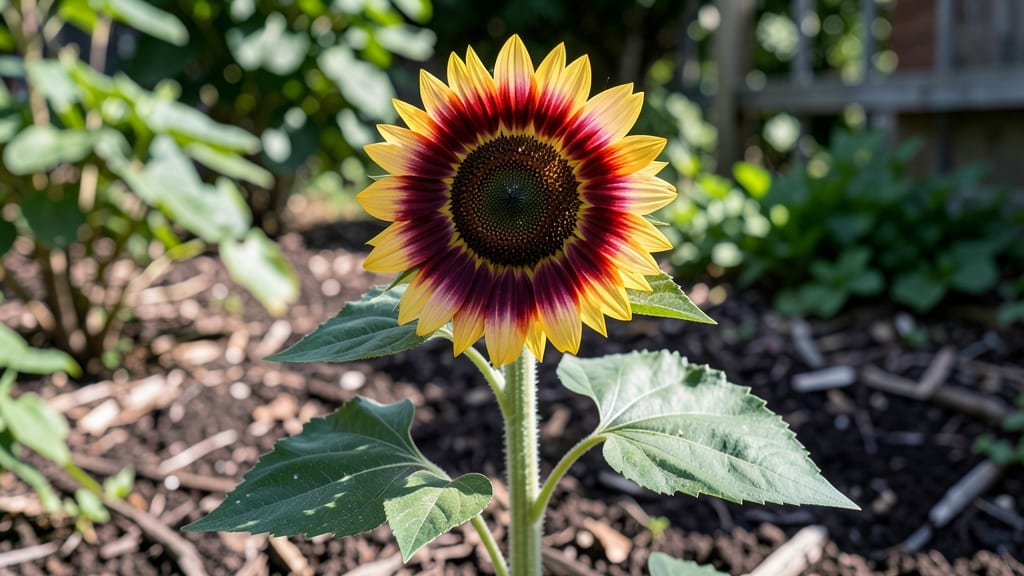
Growing rainbow sunflowers from seed means 60 days of vibrant color that’ll make your garden the talk of the neighborhood. 🌻 I’ve grown these striped beauties for years, and once you try them, you’ll never go back to plain yellow again—they’re perfect for cut flowers or buzzing pollinators alike.
The secret to success starts with loose, well-draining soil and a sunny spot (at least 6 hours of sunlight daily). Plant seeds 1 inch deep, 6 inches apart in rows, and watch those striped stems shoot up in just 7-10 days.
Water consistently but avoid soggy soil—sunflowers hate wet feet.
By mid-summer, you’ll be harvesting bold, multi-colored blooms that last for weeks in vases. The stems are sturdy enough for bouquets, and the seeds attract birds while adding drama to your garden. Even beginners nail this—just don’t skip the support stakes for taller varieties.
Works in any garden size, from small urban plots to sprawling backyards. Here’s how to keep them thriving from seed to showstopper blooms.
📚 In This Guide
- What you need
- Instructions
- Tips and common mistakes
- Wrapping up and next steps
What you need
- ● Rainbow sunflower seeds: 50–100 seeds (choose heirloom or hybrid varieties like ‘Autumn Beauty,’ ‘Moulin Rouge,’ or ‘Teddy Bear’ for colorful blooms).
- ● Well-draining potting mix or garden soil: 2–3 cubic feet (for containers) or amended native soil (for in-ground planting).
- ○ Containers (optional but helpful): 1–2 large pots (12–18 inches deep) with drainage holes, or direct garden space with 6+ hours of sunlight.
- ● Watering can or hose with a gentle spray nozzle.
- ○ Fertilizer (optional but recommended): Balanced 10-10-10 or organic compost (1 cup per plant at planting time).
- ● Garden trowel or small shovel (for transplanting seedlings).
- ● Measuring tape or ruler (sunflowers need 12–24 inches of spacing!).
- ○ Stakes or cages (optional) for tall varieties (4–6 feet) to prevent flopping.
- ● Mulch (straw or shredded leaves) to retain moisture and suppress weeds.
- ● Sunny spot: Full sun (6+ hours daily) is a must—sunflowers love basking! 🌞
- ● Warm soil: Wait until after the last frost (soil temp ≥50°F/10°C).
- ● Patience: Rainbow sunflowers bloom in 60–90 days—perfect for quick summer color!
Step-by-step guide to growing rainbow sunflowers from seed
Here’s my foolproof method for cultivating vibrant sunflower blooms—no green thumb required.
🌱 Step 1: Select and Prepare the Right Seeds
Choose a rainbow sunflower mix with varied heights (some reach 6 feet, others stay under 3 feet) to create visual interest. I like to start with 4-6 seeds per plant since germination rates can vary. Soak the seeds overnight in lukewarm water—this softens the outer shell and speeds up sprouting. Drain them in the morning and let them dry slightly before planting; soggy seeds can rot in damp soil.
If you’re planting directly in the garden, wait until after the last frost when soil temperatures are at least 55°F. For earlier starts, use biodegradable pots (like peat or coconut fiber) filled with sterile seed-starting mix. Press the seeds ½ inch deep into the soil—deeper planting delays germination because the seedling struggles to reach light.
🪴 Step 2: Plant in Well-Draining Soil with Full Sun
Sunflowers demand full sun (6+ hours daily) and rich, well-draining soil. Amend your garden bed with compost (mix in 2-3 inches) to improve fertility and drainage. If your soil is heavy clay, add sand or perlite to prevent waterlogging, which can cause root rot. Space seeds 12-18 inches apart in rows 2 feet apart—this gives them room to grow without competing for nutrients.
For container growing, use 5-gallon pots (one seed per pot) with drainage holes. Fill with a 50/50 mix of potting soil and compost. Press the seed ½ inch deep, then water gently until the soil is moist but not soggy. You’ll know it’s right when water beads up on the surface but doesn’t pool.
☀️ Step 3: Water Deeply and Monitor Growth
Water deeply once a week (or more in extreme heat) to encourage deep root growth. Sunflowers are drought-tolerant once established, but young seedlings need consistent moisture. Aim for 1 inch of water per week, delivered at the base of the plant to avoid wetting the leaves (which can lead to fungal diseases). You’ll see first true leaves in 7-10 days—this is your cue to reduce watering slightly and let the soil dry out between drinks.
Fertilize lightly 2-3 weeks after germination with a balanced, water-soluble fertilizer (10-10-10) diluted to half strength. Over-fertilizing leads to lush foliage but fewer blooms. Watch for yellowing leaves—this usually means too much nitrogen. If it happens, switch to a low-nitrogen, high-phosphorus fertilizer to promote flowering.
✂️ Step 4: Support Tall Varieties and Deadhead for More Blooms
Taller sunflowers (over 4 feet) may need staking or cages to prevent toppling in wind or rain. Install supports early—once the stem is 1 foot tall—so the plant grows into them naturally. I use bamboo stakes tied loosely with soft garden twine to avoid damaging the stem as it thickens.
To encourage continuous blooming, deadhead spent flowers by snipping the stem just above a set of leaves (not at the base). This redirects the plant’s energy into producing secondary blooms instead of going dormant. You’ll notice new buds forming within 2-3 weeks if you deadhead regularly. Harvest seeds from the first blooms by letting them dry on the stem until the back turns yellow, then twisting them off.
⏰ Step 5: Harvest Seeds and Prepare for Next Season
When the flower heads turn brown and the back splits open, it’s time to harvest seeds. Cut the head off the stem and hang it upside down in a dry, well-ventilated spot for 1-2 weeks. Shake the head gently daily to release any loose seeds. Store them in a paper envelope in a cool, dark place—this prevents moisture buildup and keeps them viable for 2-3 years. Label the envelope with the variety and date for next year’s planting.
After the first frost, cut the stalks down to 4-6 inches and leave the roots in the ground. The decomposing plant feeds the soil naturally, reducing the need for fertilizer next season. If you’re growing in containers, compost the plant material (except diseased parts) to enrich your garden beds.
Tips & tricks for growing rainbow sunflowers from seed
Here's what nobody tells you about growing sunflowers that'll make all the difference between a few sad stalks and a riot of color.
Soaking Strategy: That overnight soak in lukewarm water isn't just about speed—it's about breaking dormancy. I've found the water should be warm enough to feel comfortable to your wrist but not hot. Use a bowl of water with just enough to cover the seeds by about 1 inch. After soaking, drain them thoroughly and let them air dry for 30 minutes before planting. This prevents mold from developing in damp soil. The seeds should feel slightly tacky but not wet when you handle them.
Soil Temperature Secret: The instructions mention waiting for soil temperatures of at least 55°F, but here's the real trick: use a soil thermometer to check in the afternoon when the ground has warmed up. Morning temperatures can be misleadingly cool. If you're starting early indoors, keep your pots in a warm spot (around 70°F) to mimic spring conditions. I've had seeds sprout in just 3 days when using a seedling heat mat during cool weather.
Container Growing Hack: For container sunflowers, don't just use any 5-gallon pot—opt for ones that are at least 12 inches deep. Shallower containers restrict root growth, which leads to weaker plants. I like to add a handful of perlite to the bottom of each pot before adding my soil mix. This creates better drainage and prevents the dreaded "wet feet" that can kill seedlings. Make sure those drainage holes are clear before planting—use a wire or skewer to clear any blockages if needed.
Fertilizer Timing: The 2-3 weeks after germination is critical for fertilizer application, but here's what I've learned: split that first feeding into two smaller applications. Give half the recommended dose when you see those first true leaves (around 7-10 days), then give the second half at the 2-3 week mark. This gradual approach prevents fertilizer burn that can scorch young roots. Always water thoroughly before and after applying fertilizer to help distribute it evenly.
Pro Tips for Rainbow Sunflower Seed Grow A Garden
- Here's what nobody tells you about growing sunflowers that'll make all the difference between a few sad stalks and a ...
- Soaking Strategy: That overnight soak in lukewarm water isn't just about speed—it's about breaking dormancy. I've fou...
- Soil Temperature Secret: The instructions mention waiting for soil temperatures of at least 55°F, but here's the real...
Frequently asked questions
Got questions about growing rainbow sunflower seeds?
You’re not alone—these vibrant blooms are easy but still have a few quirks! Below, we’ve rounded up the most common questions to help you grow a stunning sunflower garden with confidence.
When is the best time to plant rainbow sunflower seeds?
Sunflowers thrive in warm soil, so plant them after the last frost when temperatures consistently stay above 50°F (10°C). For most U.S. regions, this means late spring to early summer. If you’re in a cooler climate, start seeds indoors 4–6 weeks before the last frost date.
How long does it take for rainbow sunflowers to grow from seed?
From seed to bloom, rainbow sunflowers typically take 60–90 days, depending on the variety. Dwarf varieties (like ‘Teddy Bear’) may bloom in as little as 55 days, while giant varieties (like ‘Moulin Rouge’) can take up to 120 days. Check your seed packet for exact timelines!
How much water do sunflower seeds need?
Sunflowers are drought-tolerant once established, but consistent moisture is key for germination. Water seeds lightly but daily until sprouts appear (about 7–10 days), then water deeply 1–2 times per week. Avoid soggy soil—sunflowers hate “wet feet.” Mulching helps retain moisture and keeps roots cool.
Can I grow rainbow sunflowers in containers or small spaces?
Dwarf varieties (like ‘Autumn Beauty’ or ‘Moulin Rouge’) thrive in 5-gallon containers or larger. Ensure pots have drainage holes and use a well-draining potting mix. Space seeds 6–12 inches apart, depending on the variety. For vertical gardens, try trellising taller varieties (though sunflowers aren’t climbers, they’ll lean gracefully!).
What should I do if my sunflower seedlings look leggy or weak?
Leggy seedlings usually mean too little light. If growing indoors, move them to a sunny windowsill or under grow lights (12–16 hours/day). Outdoors, thin seedlings to 12–24 inches apart (depending on variety) to improve airflow and reduce competition. Avoid overcrowding, which can attract pests like aphids.
Will rainbow sunflowers grow true to color from saved seeds?
While rainbow sunflowers are open-pollinated, their colors may shift slightly if cross-pollinated with other varieties. For consistent hues, buy fresh seeds annually. If you love experimenting, save seeds from your favorite blooms—just label them well!
Wrapping up and next steps
Growing rainbow sunflower seeds is a rewarding journey that brings vibrant color and joy to your garden in just 60 days—no green thumb required! 🌻 With the right seeds, soil, and a little patience, you’ll enjoy towering blooms that attract pollinators and brighten any space.
Whether you’re a beginner or a seasoned gardener, these cheerful giants prove that big results come from small, colorful beginnings.
Ready to turn your garden into a sunflower paradise? Start by planting your seeds this week—then sit back, sip some lemonade, and watch nature’s magic unfold! 🌱✨