
Propagation
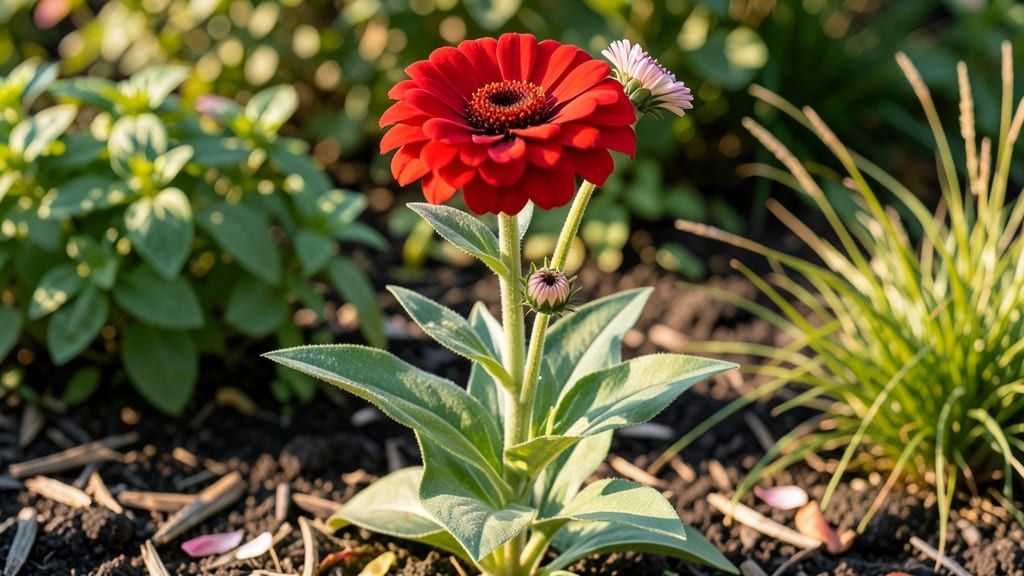
Growing zinnias from seed to bloom means vibrant color in your garden by late summer—no fancy transplants required. 🌻 I’ve grown them from seed for years, and the secret isn’t complicated: zinnias thrive with just the right balance of sun, soil, and patience.
The first true leaves appear in 10-14 days, and by 60 days, you’ll have dinnerplate-sized blooms that last all season.
Start seeds indoors 4-6 weeks before your last frost or directly in the ground after soil warms to 60°F. Use well-draining potting mix and keep seedlings in bright light (a sunny windowsill or grow light works).
Overwatering is the #1 killer—let the top inch of soil dry between waterings, and avoid soggy roots. Once seedlings have 2-3 sets of true leaves, they’re ready to transplant outdoors.
Zinnias reward good care with nonstop blooms from summer through frost. Deadhead spent flowers to encourage more blooms, and watch for aphids—spray with water or neem oil if you spot them. The key to long-lasting color?
Consistent moisture and full sun (at least 6-8 hours daily). My zinnias have lasted 10+ weeks with this simple routine, and they attract pollinators like crazy.
Whether you’re growing zinnias in containers or garden beds, this method works for all varieties—from tiny ‘Thumbelina’ to towering ‘Benary’s Giant’. The only mistake I’ve made? Starting seeds too early. Wait until soil is warm, and you’ll skip the leggy-seedling stage entirely. Ready to try it?
📚 In This Guide
- What you need
- Instructions
- Tips and common mistakes
- Wrapping up and next steps
What you need
- ● Zinnia seeds: Choose a variety (e.g., Zinnia elegans)—start with 50–100 seeds for a small garden or 200+ seeds for a full bed.
- ● Seed-starting mix: 1–2 gallons of sterile, well-draining potting soil (avoid garden soil—it’s too dense!).
- ● Containers: Seed trays or cell packs: 50–100 cells (for individual seedlings).
- ● OR small pots (3–4 inches deep) with drainage holes.
- ● Grow lights or sunny windowsill: A full-spectrum LED grow light (12–16 hours/day) or a south-facing window (if starting indoors).
- ● Watering can or spray bottle: With a fine mist nozzle for gentle watering.
- ● Plant labels: Small markers or sticks to track varieties.
- ● Garden soil: Amended with compost for nutrients (zinnias love well-draining soil!).
- ● Transplanting tools: Small trowel or hand fork.
- ○ Gloves (optional but helpful!).
- ● Mulch: 1–2 inches of organic mulch (e.g., straw or shredded leaves) to retain moisture.
- ○ Stakes or cages (optional): For taller varieties (e.g., Benary’s Giant), use 5–6 foot stakes or tomato cages.
- ● 🌡️ Temperature: Keep seeds warm (70–75°F) for faster germination (use a heat mat if needed!).
- ● ✨ Fertilizer: A balanced 10-10-10 or fish emulsion (diluted) after transplanting boosts blooms.
- ● 🔥 Deadheading: Grab a pair of clean scissors or pruners to snip spent blooms—this encourages more flowers!
Step-by-step instructions for growing zinnias from seed to bloom
Here's how to coax those bold, cheerful zinnias from tiny seeds into vibrant summer blooms.
🌱 Step 1: Start Seeds Indoors at the Right Time
Zinnias thrive when started indoors 4-6 weeks before your last frost date. I use biodegradable seedling pots filled with sterile seed-starting mix—never garden soil, as it's too dense and may harbor diseases. Fill each pot to within ¼ inch of the rim, then gently press the mix down to remove air pockets.
Plant 2-3 seeds per pot at a depth of ¼ inch, just barely covering them. The outer coating of zinnia seeds slows germination, so I like to soak them in lukewarm water for 12 hours before planting. This softens the coating and speeds up sprouting. After planting, mist the soil lightly with water until it feels evenly damp but not soggy.
💧 Step 2: Provide Warmth and Consistent Moisture
Zinnias germinate best in warm soil—aim for 70-75°F. Place your seed trays on a seedling heat mat or in a sunny windowsill to maintain warmth. Cover the pots with a clear plastic dome or plastic wrap to retain moisture and humidity. Check daily for condensation—if water droplets form on the inside of the cover, it's working.
Keep the soil consistently moist but never waterlogged. Overwatering at this stage leads to damping-off, a fungal disease that causes seedlings to collapse. Once 50% of seeds have sprouted (usually in 7-10 days), remove the cover immediately to prevent fungal growth. Thin seedlings to the strongest one per pot when they have 2 true leaves—this prevents competition and gives them room to grow.
☀️ Step 3: Harden Off and Transplant Outdoors
Two weeks before your last frost date, begin hardening off your zinnias. Place the seedlings outside in a sheltered, shaded spot for 1-2 hours the first day, gradually increasing their time outdoors by 1 hour daily. This acclimates them to wind, sun, and temperature fluctuations. By day 10, they should tolerate a full day outside.
Choose a sunny location with full sun (6+ hours daily) for transplanting. Zinnias love warmth and thrive in well-draining soil with a pH of 6.0-7.0. Dig holes twice as wide as the root ball but no deeper—planting too deep can suffocate the stems. Space seedlings 12-18 inches apart for dwarf varieties and 18-24 inches apart for taller types. Water deeply at the base to settle the soil and encourage root growth.
🌿 Step 4: Maintain Soil Moisture and Fertility
Zinnias are drought-tolerant once established, but consistent moisture is key during the first 2-3 weeks after transplanting. Water deeply once a week, aiming for 1 inch of water per week. Let the soil dry out slightly between waterings—wilting leaves are a sign they need moisture, but soggy soil invites root rot. Mulch around the base with 2-3 inches of organic mulch to retain moisture and suppress weeds.
Feed zinnias with a balanced, water-soluble fertilizer (10-10-10) every 2-3 weeks during the growing season. You'll notice lush, dark green foliage and strong stems when they're getting the right nutrients. Avoid high-nitrogen fertilizers—they promote leafy growth at the expense of blooms. Instead, switch to a low-nitrogen, high-phosphorus (5-10-10) fertilizer once buds form to encourage flowering.
✂️ Step 5: Deadhead and Support for Continuous Blooms
Deadheading is the secret to prolonged blooming. As soon as a zinnia flower fades, pinch or snip the spent bloom off at the base with clean, sharp scissors. This redirects the plant's energy from seed production to growing new flowers. I like to deadhead in the early morning when the blooms are still fresh—it keeps the flowers looking vibrant longer.
Taller zinnia varieties may need staking or support to prevent them from flopping over. Install stakes or cages at planting time to avoid damaging roots later. If you notice yellowing leaves, it could signal powdery mildew—a common issue in humid conditions. Improve airflow by spacing plants farther apart and apply a fungicide spray if needed. With proper care, zinnias will reward you with bold, cheerful blooms for weeks on end.
Tips & tricks for growing zinnias from seed to vibrant blooms
Here's what nobody tells you about growing zinnias that'll make all the difference between average and showstopping flowers.
Seed Preparation: That 12-hour soak for your zinnia seeds isn't just helpful—it's essential. The outer coating is naturally water-resistant to prevent germination until conditions are ideal. I've found that using lukewarm (not hot) water creates the perfect environment for the coating to soften without damaging the delicate seed. After soaking, pat the seeds dry before planting to prevent clumping in the soil. This step alone can cut your germination time by nearly half, getting you to that 7-10 day window faster.
Temperature Control: Maintaining that 70-75°F soil temperature during germination is non-negotiable. I've ruined multiple batches by assuming my sunny windowsill was warm enough—it wasn't. Invest in a small seedling heat mat ($15-20) if your home tends to be cool. Pro tip: Place your thermometer in the soil, not the air, as soil temperature can be 5-10°F cooler than room temperature. If your seeds aren't sprouting within 10 days, they need warmth, not more water.
Transplanting Strategy: When it comes time to transplant, pay special attention to the spacing measurements in Step 3. I learned this the hard way—crowding your zinnias leads to competition for nutrients and sunlight, resulting in leggy stems and fewer blooms. For taller varieties, I actually space mine 24 inches apart in my garden to give them room to grow without flopping. This might seem excessive, but it pays off with stronger plants that produce more blooms per stem.
Deadheading Discipline: The early morning deadheading routine makes all the difference for continuous blooms. I set a reminder on my phone for 7:30 AM every morning during peak bloom season. Use clean, sharp scissors to make a precise cut just below the flower head—this prevents disease from entering through torn stems. The key is consistency: if you skip even one day, you'll notice new buds forming but fewer overall blooms.
Pro Tips for Zinnias From Seed To Bloom
- Here's what nobody tells you about growing zinnias that'll make all the difference between average and showstopping f...
- Seed Preparation: That 12-hour soak for your zinnia seeds isn't just helpful—it's essential. The outer coating is nat...
- Temperature Control: Maintaining that 70-75°F soil temperature during germination is non-negotiable. I've ruined mult...
Frequently asked questions
Got questions about growing zinnias from seed to bloom? You’re not alone! Here are answers to the most common queries—whether you're a beginner or a seasoned gardener looking to troubleshoot.
How long does it take for zinnia seeds to germinate?
Zinnia seeds typically sprout in 5–10 days when planted in warm soil (at least 60°F or 15°C). Keep the soil moist but not soggy, and place the tray in a sunny spot or under grow lights. If germination takes longer than two weeks, check moisture levels or seed viability.
Can I plant zinnia seeds directly in the garden, or should I start indoors?
For most climates, direct sowing outdoors after the last frost (when soil is warm) works best—zinnias thrive in heat! However, if your spring is cool or short, start seeds indoors 4–6 weeks before transplanting to extend your blooming season. Harden off seedlings for a week before moving them outside.
Why aren’t my zinnia seedlings growing? What could be wrong?
Common issues include:
- Leggy seedlings: Not enough light—move them closer to a sunny window or use grow lights.
- Dampening off (black stems): Overwatering or poor airflow—reduce moisture and improve ventilation.
- Slow growth: Cool soil or weak seeds—try warming the soil with black plastic or test seed viability.
If pests like aphids appear, spray with soapy water or introduce ladybugs!
Do zinnias need deadheading? How does it affect blooms?
Yes! Deadheading (removing spent blooms) encourages non-stop flowering by redirecting energy to new buds. Snip off faded flowers just above a set of leaves. For a longer vase life, harvest blooms in the morning when they’re freshest. Pro tip: Leave a few flowers to self-seed for next year’s garden!
Are zinnias drought-tolerant? How often should I water them?
Once established, zinnias are drought-tolerant, but consistent moisture (especially during germination) is key. Water deeply 1–2 times per week, aiming for the soil—not the leaves—to prevent fungal diseases. Mulch around plants to retain moisture and keep roots cool. Overwatering is worse than underwatering!
What are some easy zinnia varieties for beginners?
Start with these low-maintenance favorites:
- Benary’s Giant: Classic, large blooms (great for cutting).
- Profusion Series: Compact, disease-resistant, and prolific.
- Crystal Series: Double flowers in vibrant colors.
- Zahara Series: Heat-tolerant with ruffled petals.
All thrive in full sun and bloom all summer long with minimal fuss!
Wrapping up and next steps
Growing zinnias from seed to bloom is a rewarding journey that delivers vibrant, long-lasting flowers in just 60 days—perfect for beginners and seasoned gardeners alike! 🌸 With the right soil, sunlight, and care, you’ll enjoy a burst of color that brightens any space.
Now that you’re armed with tips and troubleshooting advice, there’s no better time to grab those seeds and start planting.
Ready to take the next step? Plan your garden layout or explore companion plants to maximize your zinnias’ beauty and health. Happy gardening! 🌱