
Lawn
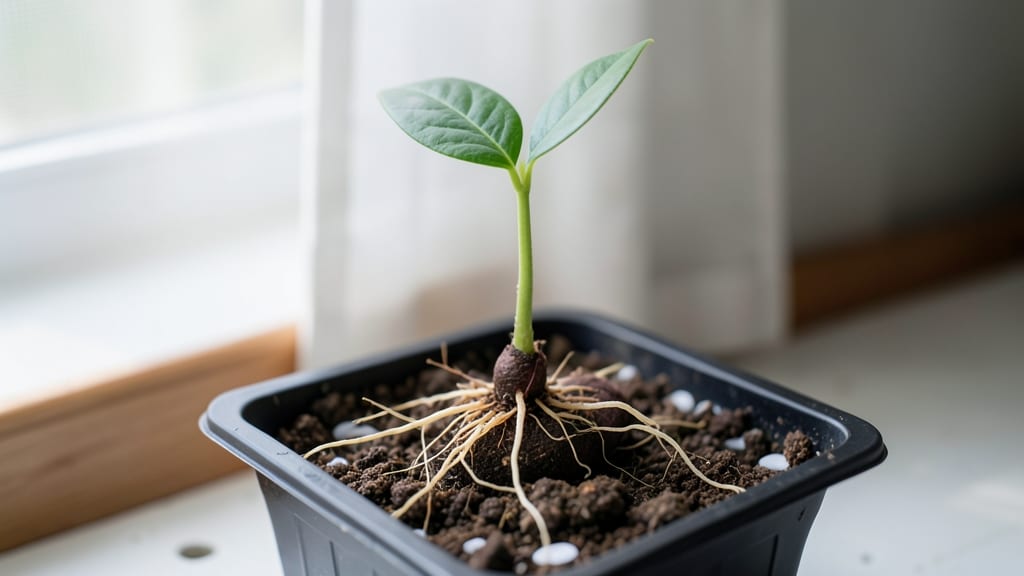
Your mango seed root could sprout in just 3-4 weeks with this simple trick—no fancy equipment needed. 🌱 I’ve grown mango trees from seed, and the key to fast germination lies in mimicking the tropical conditions where mangoes thrive.
The right soil mix, warmth, and moisture can turn a kitchen scrap into a thriving seedling before you know it.
Start with a small pot, well-draining soil, and a warm spot—like on top of your fridge or under a grow light. The secret? Keeping the soil consistently moist but never soggy, and maintaining temperatures above 70°F.
Most people overwater, which causes rot, but with this method, you’ll see roots emerge quickly and roots stay healthy.
By week 6, you’ll have a sturdy seedling ready for its first transplant. The leaves will be glossy and vibrant, signaling strong root development. This is where patience pays off—though fruit won’t come for years, the journey starts with those first tiny roots pushing through the soil.
Works for any climate, though tropical zones give the fastest results. If your home runs cool, a heat mat can speed things up even more. Let’s get those seeds sprouting!
📚 In This Guide
- What you need
- Instructions
- Tips and common mistakes
- Wrapping up and next steps
What you need
- ● Mango seeds: 2–3 fresh, plump seeds (harvested from ripe mangoes; avoid dried or shriveled ones).
- ● Small pots or containers: 3–4 (4–6 inches in diameter) with drainage holes. Tip: Use biodegradable pots for easy transplanting!
- ● Well-draining potting mix: 1–2 bags (look for a blend labeled "seed starting mix" or "cactus/succulent mix" for aeration).
- ● Watering can or spray bottle: With a fine mist nozzle for gentle hydration.
- ○ Plastic wrap or clear lid: To create a mini greenhouse effect (optional but helpful for humidity).
- ● Scissors or knife: For trimming seeds (if needed) or cutting plastic wrap.
- ● Ruler or measuring tape: To monitor seed depth (aim for ~1 inch deep).
- ● Grow lights or sunny windowsill: A south-facing window or LED grow light (12–16 hours/day) for optimal light.
- ○ Fertilizer (optional): A balanced, water-soluble fertilizer (5-5-5 or 10-10-10) diluted to half-strength for early growth.
- ○ Heat mat (optional): For faster germination if your space is cool (<60°F/15°C).
- ● A warm, bright spot (70–85°F / 21–29°C is ideal for germination).
- ● Patience! Germination can take 2–6 weeks—stay consistent with care.
- ● No direct sunlight during the first 2 weeks (use indirect light to avoid drying out seeds).
Step-by-Step instructions for germinating mango seeds
Here's how I get mango seeds sprouting in just 1-2 weeks—no fancy equipment needed.
🌱 Step 1: Extract and Prep the Seed
Crack open a fresh mango seed (the flat, brown pit inside the fruit) and remove the outer shell to expose the seed itself. You'll see a hard, dark brown exterior that protects the actual seed inside. I like to use a hammer and chisel for this—just tap gently around the edges until the shell splits open. Wear gloves; mango sap can stain.
Once exposed, rinse the seed under cool water to remove any pulp residue. This prevents mold from forming later. Pat it dry with a paper towel, then place it on a clean surface. The goal is to work with a clean, dry seed ready for the next step. If the seed feels damp after rinsing, let it air dry for 10-15 minutes before proceeding.
💧 Step 2: Soak for 24 Hours
Fill a small bowl or glass with room-temperature water and place the seed inside. Let it soak for 24 hours. This softens the outer shell and kickstarts the germination process. I like to use a clear container so I can watch the seed change—you'll see tiny cracks form after 12-18 hours, signaling it's ready.
Don't skip this step. A dry seed can take 4-6 weeks to sprout, but soaking cuts that time dramatically. After 24 hours, remove the seed and let any excess water drain off. You'll notice the outer shell may have softened or even split slightly—this is exactly what we want to see.
☀️ Step 3: Plant in Moistened Soil
Fill a small pot (about 4-6 inches deep) with well-draining potting mix. Moisten it until damp but not soggy—you should be able to squeeze a handful and feel slight resistance, not wetness. Plant the seed 1 inch deep, with the pointed end facing upward. If you're unsure which end is up, plant it sideways; the seed will orient itself correctly as it grows.
Gently press the soil around the seed to secure it in place. Place the pot in a warm, bright spot—75-85°F is ideal. I keep mine near a south-facing window or under a grow light. The key here is warmth and indirect light. Direct sunlight can overheat the soil, while too little light slows germination.
⏰ Step 4: Wait and Watch for Sprouts
Keep the soil consistently moist (not wet) by misting lightly every 2-3 days. You'll know it's time to water when the top inch of soil feels dry to the touch. After about 7-14 days, you should see a tiny shoot emerge from the soil. This is your reward for patience—it means the seed has broken through its shell and started growing.
Once the sprout reaches 2-3 inches tall, it's time to transplant it into a larger pot. Keep the environment warm and humid for the first few weeks, as young mango seedlings are delicate. You'll notice the first leaves are simple and elongated—these are the seedling's way of starting photosynthesis. Don't rush this stage; strong roots take time to develop.
🌿 Step 5: Transition to Outdoor Conditions
After the seedling has grown 4-6 inches tall and has developed a few sets of true leaves (not just the initial sprout leaves), it's ready to move outdoors. Start by placing it in a shaded, sheltered spot for 1-2 hours the first day, gradually increasing exposure over 7-10 days. This process, called hardening off, helps the seedling adjust to outdoor conditions without shock.
Once fully acclimated, plant it in a larger container or directly in the ground if you're in a warm climate. Mango trees love heat and thrive in full sun. Keep the soil moist but well-draining, and avoid overwatering—mango seedlings are prone to root rot if left too wet. With time and care, your seedling will grow into a tree that could one day produce fruit, just like the mango that started it all.
Tips & tricks for fast mango seed germination
Here's what I learned the hard way about speeding up those stubborn mango seeds.
Shell Cracking Strategy: When you're tapping that seed with the hammer in Step 1, aim for the edges first—this is where the shell is most vulnerable. I used to go straight for the middle and end up with uneven cracks. A chisel works best because it gives you more control than a hammer alone. And trust me, wearing gloves saves you from sticky fingers that won't come clean for days.
Soaking Wisdom: That 24-hour soak in Step 2 is non-negotiable for speed, but here's the secret: change the water every 12 hours. Fresh water prevents bacterial growth that could slow germination. You'll see those telltale cracks appear between 12-18 hours—this is your signal to plant immediately. If you see mold forming, dump the water and start fresh with clean water.
Temperature Matters: The 75-85°F range in Step 3 is crucial for speed. If your home runs cooler, place the pot on top of your fridge (not inside) or use a seedling heat mat. I've seen germination times nearly double when seeds are kept below 70°F. For faster results, group multiple pots together—they'll generate their own warmth through respiration.
Transplant Timing: Don't rush transplanting that 2-3 inch sprout in Step 4. Wait until you see those first true leaves (they'll look like tiny adult leaves, not the initial spiky ones). This means the seedling has developed enough energy stores to handle the move. I've lost seedlings by transplanting too early—they just wilted and never recovered.
Pro Tips for Mango Seed Root
- Here's what I learned the hard way about speeding up those stubborn mango seeds.
- Shell Cracking Strategy: When you're tapping that seed with the hammer in Step 1, aim for the edges first—this is whe...
- Soaking Wisdom: That 24-hour soak in Step 2 is non-negotiable for speed, but here's the secret: change the water ever...
Frequently asked questions
Got questions about growing mango seed roots? You’re not alone!
Here are answers to the most common queries to help you succeed with your mango seedling adventure.
How long does it take for a mango seed to sprout?
With the right germination hack (like soaking or using a warm, moist environment), sprouts typically appear in 7–21 days. Patience is key—some seeds take longer, especially if stored improperly. Keep the soil consistently moist and warm (around 75–85°F) to speed things up.
Can I plant a mango seed directly in the ground?
While possible, direct outdoor planting isn’t ideal for seeds. They’re delicate and need controlled warmth to sprout. Start indoors in a pot with well-draining soil, then transplant after 3–6 months when roots and leaves strengthen. Cold soil can stunt growth or kill the seed.
What if my mango seed root rots or mold grows?
Overwatering or poor drainage causes rot. If you see black spots or a foul smell, act fast: remove the seed, trim any mushy roots, and replant in fresh, dry soil. Use a sterilized pot next time to prevent mold. Keep humidity high but airflow steady to avoid future issues.
Are there faster alternatives to growing from seed?
Yes! For quicker results, try grafting (a horticultural technique) or buying a young mango tree from a nursery. Grafting ensures the tree bears fruit faster (3–5 years vs. 10+ years from seed). However, growing from seed is rewarding for patience and experimentation!
What’s the best temperature for mango seed germination?
Mango seeds thrive in warmth (75–85°F). Use a heat mat, sunny windowsill, or even a warm spot near your fridge to mimic tropical conditions. Avoid cold drafts—seeds may take weeks longer to sprout or fail entirely. Pro tip: Place your pot on a black plastic tray to absorb heat!
Wrapping up and next steps
Growing a mango seed root from a seed is a rewarding journey that connects you to nature’s bounty—literally! With the right patience, care, and the germination hacks shared here, you’ll soon be nurturing a thriving sapling that could one day bear fruit. 🌱✨
Ready to take the next step? Start by planting your sprouted seed in a well-draining pot with nutrient-rich soil, and keep it in a warm, sunny spot.
Watch your little mango tree grow, and who knows—you might just be growing the future of your garden (or even a tasty snack in years to come)! 🍈💚