
Lawn
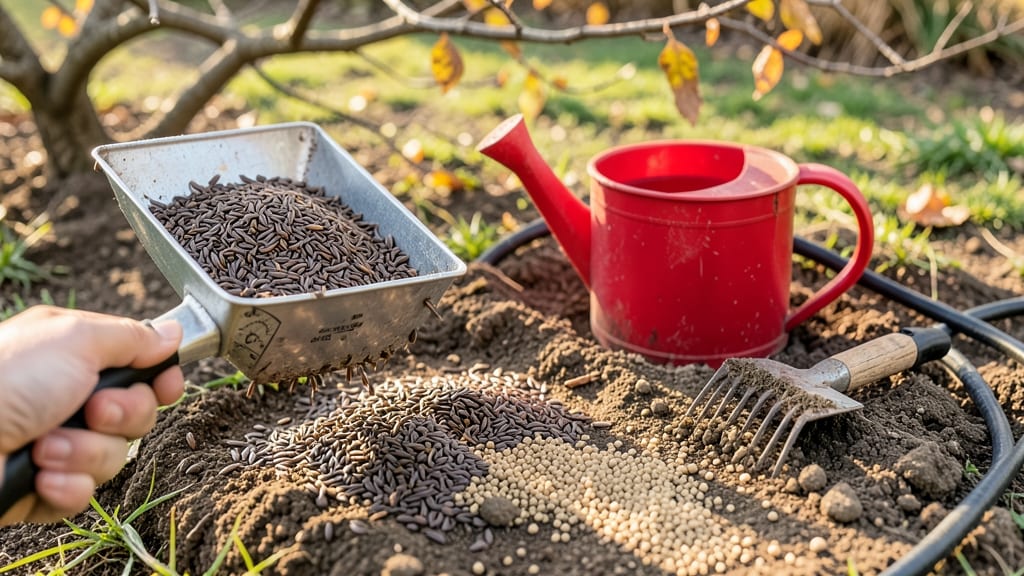
Planting grass seed in autumn gives you a head start on next spring’s lush lawn—when cool soil and gentle rain create perfect growing conditions. 🌱 I’ve seeded lawns in fall for years, and the difference between a patchy spring start and a thick, frost-resistant turf comes down to timing, soil prep, and choosing the right varieties.
The secret isn’t complicated: cool-season grasses like Kentucky bluegrass and tall fescue thrive when planted 4-6 weeks before your first frost. These varieties establish deep roots before winter, so they bounce back stronger in spring.
You’ll need a rake, seed, and a light layer of compost—but the real work happens in the soil. By late fall, you’ll see sprouts pushing through, and with proper care, those roots will keep your lawn green even under snow.
The key is keeping the soil moist (but not soggy) until dormancy sets in—no high-maintenance watering schedules, just consistent attention. Works for any climate zone with cool autumns, whether you’re patching bare spots or overseeding an entire yard. Here’s how to make it happen without the springtime rush.
📚 In This Guide
- What you need
- Instructions
- Tips and common mistakes
- Wrapping up and next steps
What you need
- ● Grass seed: Choose cold-hardy varieties like Tall Fescue, Fine Fescue, or Perennial Ryegrass. Aim for 5–10 lbs per 1,000 sq ft, depending on your lawn’s condition.
- ● Lawn soil tester kit: Ensures your soil’s pH (ideal: 6.0–7.0) and nutrient levels are optimal for seed germination.
- ● Compost or organic fertilizer: A balanced (10-10-10) or slow-release formula (e.g., 5 lbs per 1,000 sq ft) to nourish new growth.
- ● Topsoil or seed starter mix: ¼–½ inch layer to cover seeds lightly and retain moisture.
- ● Garden rake: A bendable-tine rake to loosen soil and create a fine seedbed.
- ● Broadcast spreader or hand spreader: For even seed distribution (rent or buy a drop or rotary spreader for large areas).
- ● Water source and hose with a gentle spray nozzle: Essential for daily light watering (¼ inch/day) during germination.
- ○ Lawn roller (optional but helpful): A lightweight (20–30 lb) roller to press seed into soil for better contact.
- ● Knee pads or gardening stool: For comfort during prep work.
- ● Garden gloves: Protects hands from soil and sharp raking tools.
- ● String and stakes: To mark off sections if overseeding a large area.
- ○ Mulching fabric (optional): For high-traffic areas to retain moisture and suppress weeds (biodegradable options available).
- ● Weather tracker app: To monitor forecasted rain and adjust watering schedules.
How to plant grass seed in autumn for a frost-resistant lawn
Autumn planting gives grass roots time to establish before winter—here's how to do it right.
🌱 Step 1: Prepare the Soil for Optimal Seed Contact
Start by mowing your lawn as short as possible—about 1 inch—to create an even surface. This helps the seed make direct contact with the soil, which is critical for germination. Use a rake to remove any debris, then loosen the top ¼ inch of soil with a garden rake or scarifier. You want the soil to feel slightly rough, like fine sandpaper, so the seed can snuggle into tiny crevices.
For compacted or clay-heavy soil, work in a ¼-inch layer of compost before raking again. This improves drainage and gives seedlings the nutrients they need to push through the soil. I like to test moisture by squeezing a handful—it should hold together but not be soggy. If it's too dry, water lightly the day before planting.
💧 Step 2: Spread Seed Evenly and Lightly Cover
Use a broadcast spreader to distribute the seed evenly across your lawn. Walk in overlapping passes to avoid thin or thick patches—think of it like dusting flour on a cake. For a 100-square-foot area, you'll need about ½ pound of seed. Lightly rake the area again to cover the seed with just ¼ inch of soil. This protects the seed from drying out and birds snacking on it.
Don't bury the seed too deeply—it needs light and air to germinate. If you're planting in a shady area, choose a shade-tolerant variety like fine fescue. For sunny spots, tall fescue or Kentucky bluegrass are excellent choices. After spreading, give the area a gentle watering to settle the seed into the soil.
☀️ Step 3: Water Consistently Until Germination
Keep the soil moist but never soggy for the first 2-3 weeks—this is when most seeds germinate. Water lightly every day, just enough to keep the top ½ inch of soil damp. You'll know you're doing it right when the soil looks dark and feels like a wrung-out sponge. Avoid heavy watering, which can wash away seed or create puddles that suffocate roots.
Once you see first green shoots, reduce watering slightly but keep the area moist. This encourages roots to grow deep rather than staying shallow. I set my sprinkler to run for 10-15 minutes, twice daily—morning and late afternoon—to mimic natural rainfall. Avoid watering in the heat of the day, as it can scorch tender seedlings.
✂️ Step 4: Maintain and Protect New Growth
After 4-6 weeks, when the grass reaches about 3 inches tall, it's time for the first mow. Set your mower blade to 3 inches to avoid cutting the grass too short. This helps the roots establish before winter and prevents weed invasion. Remove any clippings to avoid smothering the new growth.
Keep an eye out for weeds—now is the time to pull them by hand before they compete with your grass for nutrients. If birds become a problem, cover the area with lightweight row fabric until the grass is established. In late autumn, apply a light layer of mulch (like straw) to insulate the soil and protect the young roots from freezing temperatures.
⏰ Step 5: Winterize for Spring Strength
As temperatures drop below 40°F at night, reduce watering to once a week unless there's been recent rain. The goal is to keep the soil from drying out completely but not to encourage excessive growth. In late fall, apply a slow-release fertilizer designed for autumn planting to give your grass a nutrient boost before winter dormancy.
Leave the grass slightly taller going into winter—about 2.5-3 inches—to protect the crown from freezing. This extra height acts like a blanket, shielding the roots. In early spring, you'll be rewarded with a lush, even lawn that's ready to handle foot traffic and summer heat.
Tips & tricks for perfect autumn grass seed planting
These simple tricks will help you avoid common pitfalls and maximize your lawn's frost resistance.
Soil Prep Secret: In Step 1, don't skip the compost layer for heavy clay soil—it's the difference between struggling seedlings and a thriving lawn. I've seen compacted soil prevent germination even when everything else was perfect. Work that compost in thoroughly so it blends completely with the top ¼ inch of soil. The rough texture you create helps seed snuggle into place, which is critical for consistent germination.
Seed Covering Technique: When you lightly rake seed with ¼ inch of soil in Step 2, think "gentle dusting" rather than "burying." Too much coverage blocks sunlight and air, which seeds need to sprout. I like to use a fine-toothed rake for this step—it gives just enough protection without suffocating the seed. For large areas, a push broom works well too.
Watering Wisdom: The 10-15 minutes twice daily in Step 3 might seem like a lot, but it's essential for those first 2-3 weeks. I recommend using a rain gauge to measure—you're aiming for about ¼ inch of water per session. The morning watering gives roots time to absorb moisture before evening, while the afternoon session prevents afternoon heat stress. If you're using sprinklers, check for even coverage by placing shallow containers around the lawn.
Winter Protection Hack: For Step 5, consider adding a layer of straw mulch (about ½ inch thick) after your first frost. This acts like an insulation blanket, protecting young roots from temperature swings. I've seen lawns survive harsh winters with this extra protection, while others without it struggled with frost damage. Just be sure to remove it in early spring before new growth appears.
Pro Tips for Grass Seed Autumn
- These simple tricks will help you avoid common pitfalls and maximize your lawn's frost resistance.
- Soil Prep Secret: In Step 1, don't skip the compost layer for heavy clay soil—it's the difference between struggling seedlings and a thriving lawn.
- Seed Covering Technique: When you lightly rake seed with ¼ inch of soil in Step 2, think "gentle dusting" rather than "burying."
Frequently asked questions
Got questions about planting grass seed in autumn? You’re not alone! Here are answers to the most common concerns to help you get started with confidence.
When is the exact best time to plant grass seed in autumn?
The ideal window is 4–6 weeks before your first hard frost—typically late August to early October in most U.S. regions. This gives seeds time to germinate and establish roots before winter. Check your local frost dates for precision!
Can I still plant grass seed if frost is already here?
If frost has arrived, hold off until spring—cold soil slows germination. However, cool-season grasses (like fescue or ryegrass) can tolerate light frosts if planted in mild autumn weather. Just avoid heavy snow or freezing temps.
Is autumn seeding cheaper than spring? Why?
Yes! Autumn seeding often costs less because labor and seed demand drop after summer. Plus, cooler temps and moisture reduce watering needs, saving you money long-term. It’s also when cold-hardy varieties thrive with minimal upkeep.
Will pests or weeds be a problem after autumn planting?
Autumn is actually better for weed control—cool weather slows weed growth, and established grass outcompetes them. Still, pre-treat soil with pre-emergent herbicide (like corn gluten meal) to deter weeds. Watch for pests like chinch bugs and treat early if spotted.
Can I overseed an existing lawn in autumn?
Autumn is perfect for overseeding thin or patchy lawns. Mow low, rake away debris, and spread seed evenly. For best results, use a slit seeder or core aerator to help seeds reach the soil. Water lightly daily until germination.
Do I need to winterize my lawn after autumn planting?
Lightly fertilize in early autumn (use a slow-release, winter-grade fertilizer) and reduce watering as temps drop. Avoid heavy foot traffic on new grass. In spring, dethatch and aerate if needed—your lawn will bounce back stronger!
Wrapping up and next steps
Autumn is the perfect time to sow cold-hardy grass seed for a lush, frost-resistant lawn! By choosing the right varieties—like tall fescue or fine fescue—and following proper planting techniques, you’ll set your yard up for success.
The cooler weather and increased rainfall give seeds the ideal conditions to establish deep roots before winter.
Ready to take action? Grab your gloves, pick your seeds, and get planting! With a little patience and care, you’ll enjoy a vibrant lawn year-round. 🌱 Start now—your future lawn will thank you!