
Lawn
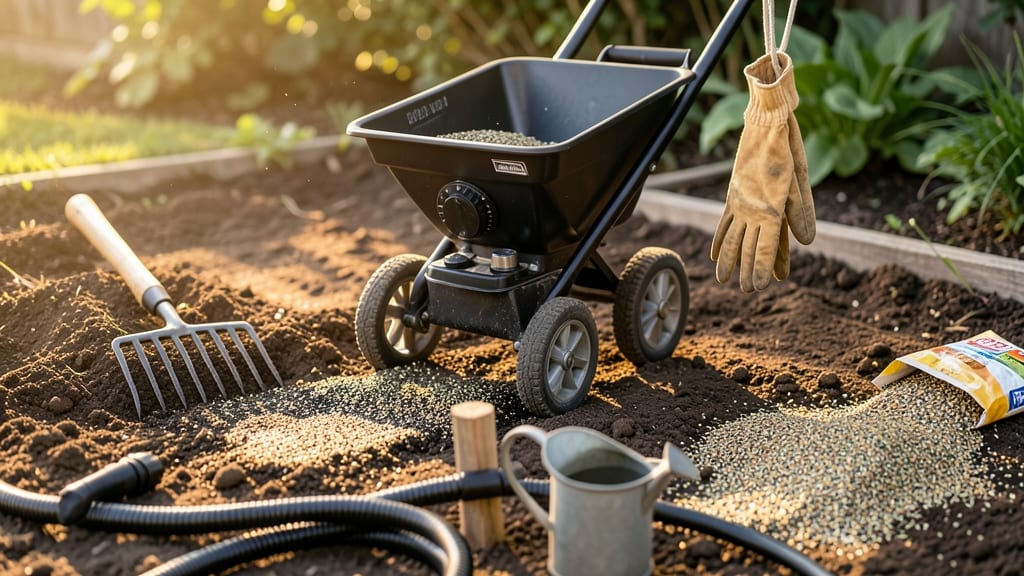
Fall is the best time to plant grass seed—cooler temperatures and steady rain create the perfect conditions for thick, lush lawns that outperform spring plantings. 🌱 I’ve learned the hard way that skipping autumn means fighting weeds and drought to establish grass later, but with the right approach, your lawn can transform before winter sets in.
The secret starts with soil prep: aerate compacted areas, rake out debris, and test your soil’s pH—most grasses thrive between 6.0 and 7.0.
Choose seed blends suited to your climate (cool-season types like fescue or ryegrass work best in most regions), then scatter evenly with a broadcast spreader for even coverage. Water lightly twice daily to keep soil moist but not soggy.
By late fall, you’ll see sprouts pushing through, and with proper care, those seedlings will root deep before winter. The payoff? A lawn that greens up faster in spring, resists weeds better, and stays vibrant through summer heat. Even my patchy spots filled in completely after just one autumn planting.
This method works for sunny yards, shady patches, and everything in between—just adjust watering based on your region’s rainfall. Northern gardeners should aim for late August to early October, while warmer zones can extend planting into November. The key is acting before the first hard frost locks the soil.
📚 In This Guide
- What you need
- Instructions
- Tips and common mistakes
- Wrapping up and next steps
What you need
- ● Grass seed: Quantity: 10–20 lbs per 1,000 sq ft (check seed bag for exact coverage rate).
- ● Type: Cool-season varieties (e.g., Kentucky bluegrass, fescue, ryegrass) for autumn planting.
- ● Soil testing kit: To check pH (ideal range: 6.0–7.0) and adjust with lime or sulfur if needed.
- ● Lawn rake: Bow rake (for leveling soil) or dethatching rake (if needed).
- ● Broadcast spreader: Drop or rotary type for even seed distribution.
- ● Watering tools: Hose with adjustable nozzle (or sprinkler) for gentle watering.
- ○ Rain gauge (optional but helpful for tracking moisture).
- ● Fertilizer: Starter fertilizer (high in phosphorus, e.g., 5-10-10 ratio).
- ● Follow-up slow-release fertilizer (e.g., 16-4-8) 4–6 weeks after seeding.
- ● Soil conditioners: Compost or peat moss to improve texture (especially for clay/sandy soil).
- ● Erosion control blanket: For sloped areas to protect seed from washing away.
- ● Lawn roller: Lightweight (50–100 lbs) to press seed into soil (use sparingly!).
- ● Weed blocker: Pre-emergent herbicide (apply 6–8 weeks after seeding).
- ● Gloves & knee pads: Because comfort matters! 😉
Step-by-Step instructions for planting grass seed in autumn
Autumn’s mild temps and steady rains create the perfect window for lush, deep-rooted lawns.
🌱 Step 1: Prepare the Soil for Optimal Germination
Start by mowing your lawn shorter than usual—about ½ inch—to expose the soil and remove dead grass. This helps the new seeds make direct contact with the earth. Use a rake to loosen the top ½ inch of soil, breaking up any compacted areas where water might pool. If your soil feels hard, aerate with a core aerator to create ¼-inch deep holes every 3-4 inches apart.
Test the soil pH with a kit—ideal levels for grass seed are between 6.0 and 7.0. If your soil is too acidic, apply lime according to package instructions 2-3 weeks before planting. For alkaline soil, work in sulfur or peat moss to lower the pH. Avoid fertilizing now; fresh seed needs clean soil to establish roots.
💧 Step 2: Spread Seed Evenly for Uniform Growth
Divide the 4 pounds of grass seed into two equal portions. Walk in one direction, spreading the first half of the seed evenly across the prepared area. Use a drop or broadcast spreader for precision—overlapping passes ensure no bare spots. Walk perpendicular to your first pass and spread the second half. This double-pass method guarantees 100% coverage without doubling the seed.
Lightly rake the area again to press seeds into the soil, but don’t bury them deeper than ¼ inch. If birds or wind threaten to scatter the seed, cover it with a straw mulch (about ⅛ inch thick) to hold it in place until germination. Water gently with a fine mist to settle the seed without displacing it.
☀️ Step 3: Water Consistently for Strong Root Development
Keep the soil evenly moist for the first 2-3 weeks—this is critical for germination. Water lightly twice daily, enough to dampen the top ½ inch of soil, then taper to once daily as the grass reaches 2 inches tall. Avoid heavy watering; you want to encourage deep root growth, not surface runoff. A soaker hose or sprinkler with gentle settings works best.
Watch for first green shoots in 7-14 days, depending on your grass type. Once the new grass reaches 3 inches, gradually reduce watering to 2-3 times per week to strengthen the roots. If the topsoil dries out completely, you risk killing tender seedlings—check daily during dry spells.
✂️ Step 4: Maintain and Protect New Growth
Wait until the new grass reaches 3-4 inches before your first mow—this ensures roots are deep enough to support the plant. Set your mower blade to 3 inches and never remove more than ⅓ of the blade height at once. Mowing too short stresses new grass and invites weeds. Bag the clippings initially to avoid smothering the seedlings.
Apply a light nitrogen fertilizer (like 10-0-10) 6-8 weeks after planting to support growth, but avoid phosphorus-heavy blends—new grass doesn’t need it. If weeds sprout, pull them by hand or spot-treat with a selective herbicide (like 2,4-D) once the grass is 4 inches tall. Never use pre-emergent weed killers—they’ll prevent your seed from germinating.
🪴 Step 5: Transition to Winter Care for Spring Readiness
As temperatures drop below 50°F at night, reduce watering to once weekly unless rainfall provides ½ inch of moisture. Grass goes dormant in winter, so avoid fertilizing or mowing once growth slows. Rake away fallen leaves to prevent smothering, but leave straw mulch in place—it insulates roots from frost.
In early spring, remove the mulch and apply a slow-release fertilizer (like 20-0-5) to jumpstart growth. You’ll see thick, vibrant grass filling in by late spring, all thanks to the strong foundation you built in autumn. This method turns fall’s cooler weather into your lawn’s greatest advantage!
Tips & tricks for planting grass seed in autumn
Fall planting gives your lawn a head start—here’s how to maximize those cooler-weather advantages.
Soil Prep Secret: In Step 1, don’t just rake—use a stiff-bristled garden rake to create a fine, crumbly texture in the top ½ inch of soil. Think of it like fluffing a pillow for your seeds. If your lawn has thatch buildup (dead grass layer), dethatch first—it can block water and air from reaching new roots. I’ve seen grass fail to germinate because of just ½ inch of thatch, so don’t skip this if your lawn feels spongy when you walk on it.
Seed Distribution Hack: When you’re dividing that 4 pounds of seed in Step 2, mark your starting point with a stake or flag so you always begin in the same spot. This ensures consistent coverage—trust me, you’ll notice the difference when you walk across your lawn later and see no patchy spots. For large areas, consider renting a walk-behind spreader for even distribution. And here’s a pro move: after spreading, walk across the area in a grid pattern with your feet to gently press seeds into the soil without burying them.
Watering Wisdom: Those first 2-3 weeks of twice-daily watering in Step 3 are non-negotiable, but timing matters just as much. Water in the early morning (between 6-9 AM) to let the soil absorb moisture before evaporation kicks in. I’ve learned this the hard way—watering in the evening can lead to fungal issues if the grass stays wet overnight. Use a rain gauge to measure your watering; aim for about ½ inch of water per session. You’ll know you’re doing it right when water penetrates to 4-6 inches deep, not just wetting the surface.
Winter Prep Tip: Before the first frost hits (around that 50°F nighttime temp in Step 5), spread a thin layer of straw mulch over your entire lawn—even areas you didn’t seed. This creates a protective blanket that insulates roots from temperature swings. I’ve seen lawns survive winter beautifully with this extra protection, while others without it struggle with frost damage. Just make sure the mulch is no thicker than ⅛ inch—too much can suffocate the seeds.
Pro Tips for Planting Grass Seed In Autumn
- Fall planting gives your lawn a head start—here’s how to maximize those cooler-weather advantages.
- Soil Prep Secret: In Step 1, don’t just rake—use a stiff-bristled garden rake to create a fine, crumbly texture in th...
- Seed Distribution Hack: When you’re dividing that 4 pounds of seed in Step 2, mark your starting point with a stake o...
Frequently asked questions
Got questions about nailing your autumn grass seed planting? You’re not alone! Here are some of the most common concerns—and their easy, actionable answers to help you grow a lush lawn with confidence.
When is the exact best time to plant grass seed in autumn?
In most regions, aim for late summer to early fall—typically 4–6 weeks before your first hard frost (usually September–October in the U.S.). Cooler temps (60–75°F) and consistent moisture are key. Check your local frost dates for precision!
Can I plant grass seed in autumn if I already have grass?
Overseeding is perfect for filling thin spots or reviving patchy lawns. Just mow low, dethatch if needed, and aerate first. Choose a cool-season grass like fescue or ryegrass for best results in autumn.
How do I keep grass seed from washing away after planting?
Use a starter fertilizer with mulch (like peat moss) to hold seed in place, and water lightly but frequently (2–3 times/day for 10–15 mins). Avoid heavy watering—it can bury seeds too deep. A light straw mulch also helps!
What if my grass seed doesn’t germinate in autumn?
Check these first:
- Moisture: Seed needs consistent dampness (not soggy).
- Sunlight: Ensure 6+ hours of sun daily.
- Soil temp: Below 50°F? Germination slows—wait until temps rise.
- Depth: Seed buried >½ inch may fail. Lightly rake instead.
Is autumn seeding better than spring for my lawn?
Yes! Autumn offers cooler temps, fewer weeds, and steady rainfall—giving seed a head start. Spring seeding can struggle with drought, weeds, and faster germination, but both work. For best results, autumn is the MVP!
Wrapping up and next steps
Autumn is the perfect time to transform your lawn—cooler temps and fewer weeds mean your new grass seed has the best shot at thriving! By following the right steps—from soil prep to watering—you’ll enjoy a lush, thicker lawn come spring. 🌱
Ready to take action? Grab your supplies, mark your calendar, and start planting this weekend. Your future lawn will thank you!
Pro tip: Keep a journal of your progress—note watering patterns, weather changes, and growth milestones. It’s the secret to fine-tuning your success next time! ✨