
Planting
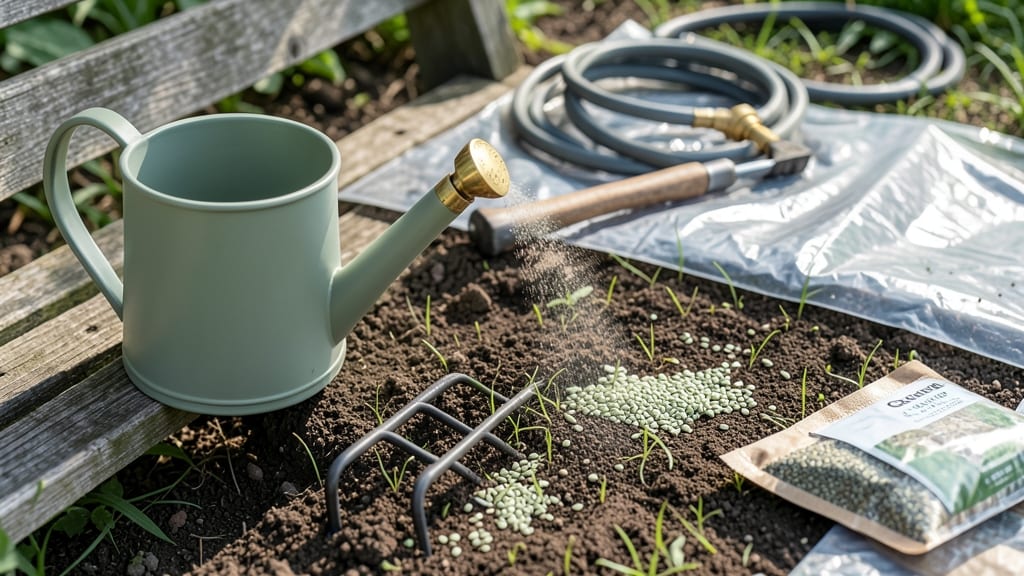
Speeding up grass seed germination means seeing those first green sprouts in half the time—and it all starts with the right prep. 🌱 I’ve watched seeds take weeks to pop, only to realize we were missing two key factors: consistent moisture and perfect warmth.
The trick isn’t magic—it’s science you can control with simple adjustments. Cool-season grasses like fescue love temperatures between 55-65°F, while warm-season types such as Bermuda thrive at 80-95°F.
Before planting, test your soil’s moisture by squeezing a handful—it should hold together like a damp sponge, not crumble or drip. A light mulch of straw keeps moisture locked in while shielding seeds from drying winds.
Within 5-7 days, you’ll spot those first delicate shoots if you’ve nailed the moisture-warmth balance. The secret? Watering twice daily for the first week (morning and evening) to keep seeds consistently damp, not soggy. Overwatering is the silent killer—it suffocates seeds faster than drought.
This method works for lawns, containers, or even small patches. Just adjust watering based on your climate—dry areas need more frequent checks, while humid spots can stretch to once daily after germination starts. Patience pays off with a lush, even stand. Let’s get those seeds sprouting!
📚 In This Guide
- What you need
- Instructions
- Tips and common mistakes
- Wrapping up and next steps
What you need
- ● High-quality grass seed: Choose a variety suited to your climate (e.g., Kentucky Bluegrass, Fescue, or Bermuda). Aim for 10–20 lbs per 1,000 sq ft, depending on the seed type.
- ● Garden soil or potting mix: Well-draining, loamy soil (pH 6.0–7.5) is ideal. For containers, use a seed-starting mix.
- ● Watering can or hose with a gentle spray nozzle: Avoid blasting seeds—aim for light, consistent moisture.
- ● Mulch or straw: ¼-inch layer to retain moisture and protect seeds from drying out (avoid thick layers, which can suffocate seeds).
- ○ Heat mat (optional but helpful): A seedling heat mat (set to 70–85°F) speeds germination indoors.
- ● Clear plastic dome or row cover: Creates a mini greenhouse effect to trap warmth and humidity (use a humidity tent if indoors).
- ● Garden rake or hand fork: For loosening soil to a depth of ½ inch (seeds need good contact with soil).
- ● Spray bottle (for indoor seeds): Mist seeds lightly to avoid displacing them.
- ● pH test kit: Ensure soil pH is optimal (6.0–7.5 for most grasses). Adjust with lime (to raise pH) or sulfur (to lower) if needed.
- ● Fertilizer (low-nitrogen, starter blend): Use a 5-10-10 or 10-10-10 ratio after germination begins (not before!).
- ○ Thermometer (optional): Monitor soil temperature—ideal range is 65–75°F for most grass seeds.
- ● 🌡️ Pre-warm soil: If outdoors, cover the area with black plastic for 1–2 weeks before planting to raise soil temperature.
- ● ✨ Soak seeds overnight: For faster results, soak seeds in lukewarm water for 12–24 hours before planting (skip for fine seeds like fescue).
- ● 🎯 Test moisture levels: Stick your finger 1 inch into the soil—it should feel like a wrung-out sponge (not soggy or dry).
Step-by-Step instructions for speeding up grass seed germination
Here’s how to get those seeds sprouting in record time—no waiting weeks for a green lawn.
🌱 Step 1: Prepare the Soil for Optimal Conditions
Start by raking the soil surface until it’s smooth and free of debris. Grass seeds need direct contact with soil to germinate, so remove any rocks, weeds, or thatch that might block them. Aim for a loose, crumbly texture—you should be able to press your finger into the soil about 1 inch deep without resistance.
If your soil is compacted or clay-heavy, mix in 1-2 inches of compost to improve drainage and aeration. This step is critical because compacted soil traps moisture and can suffocate seeds before they even sprout. Water the area lightly before seeding so the top ½ inch of soil feels damp but not soggy—this ensures the seeds stay hydrated immediately after planting.
💧 Step 2: Plant Seeds at the Right Depth and Keep Them Moist
Scatter the grass seed evenly over the prepared soil, using about ½ pound per 100 square feet for most varieties. Press the seeds lightly into the soil with a lawn roller or the back of a rake—this ensures good seed-to-soil contact without burying them too deep. Grass seeds typically need to be planted no deeper than ¼ inch for best results.
After planting, water the area gently but thoroughly until the soil is 1 inch deep and evenly moist. Avoid splashing or heavy watering, which can wash seeds away. Here’s the trick: Keep the soil consistently moist (like a wrung-out sponge) for the first 7-10 days—this is when seeds need the most hydration to break dormancy. Use a spray nozzle or soaker hose to maintain even moisture without disturbing the seeds.
☀️ Step 3: Provide Warmth and Light for Faster Sprouting
Grass seeds germinate fastest in warmth, ideally between 65-75°F. If your climate is cooler, consider laying down a thin layer of straw mulch (about ¼ inch thick) to trap heat and retain moisture. Avoid heavy mulch, which can smother seeds or block light. Place the mulch only after seeds have been watered—this keeps them in close contact with the soil.
Seeds also need bright light to germinate, so avoid shading them with plants or structures. If you’re seeding in early spring or late fall, a clear plastic sheet (like a greenhouse plastic) draped lightly over the area can add 5-10°F of warmth and speed up germination by 3-5 days. Remove the plastic once sprouts appear to prevent overheating.
⏰ Step 4: Monitor and Maintain Conditions Until Sprouts Emerge
Check the soil daily for moisture—it should never dry out completely, but it shouldn’t be waterlogged either. You’ll see the first sprouts in 5-14 days, depending on the grass type and weather. Warm-season grasses (like Bermuda or Zoysia) germinate faster in heat, while cool-season grasses (like Kentucky Bluegrass) may take longer in cooler temps.
Once you spot 50% germination (half the area showing green), reduce watering slightly but keep the soil moist. Overwatering now can lead to fungal issues or washed-out seeds. Thin out any dense patches by raking gently—this gives remaining sprouts room to grow without competition. Within 3-4 weeks, you’ll have a lush, even lawn if you’ve kept the soil consistently moist and warm.
Tips & tricks for perfect grass seed germination
Here's what nobody tells you about getting seeds to sprout faster than ever before.
Soil Prep Secret: In Step 1, when you're raking the soil, pay special attention to removing any old grass roots or thatch. These can create air pockets that prevent seeds from making good contact with the moist soil. I learned this the hard way after planting seeds that never sprouted—turns out the thatch was blocking water from reaching them. Use a stiff rake to break up any remaining clumps after you've removed debris.
Moisture Management: The 7-10 day window of consistent moisture in Step 2 is your golden opportunity. I recommend setting up a simple drip irrigation system or using a spray nozzle on your hose for the first week. This ensures even coverage without disturbing the seeds. Check moisture daily by pressing your finger into the soil—it should feel like a damp sponge, not a dry sponge or a soggy one.
Warmth Boost: If your climate is cooler than the ideal 65-75°F range mentioned in Step 3, consider using a black plastic mulch instead of straw. The dark color absorbs more heat from the sun, creating a warmer microclimate for your seeds. Just remember to remove it once sprouts appear to prevent overheating. I've seen germination times cut in half using this trick during cool spring evenings.
Light Strategy: When using the clear plastic sheet mentioned in Step 3, leave a small gap at one edge to allow air circulation. This prevents condensation buildup that can lead to fungal issues. Also, avoid placing the plastic directly on the seeds—leave a 1-2 inch gap above them to maintain proper air flow while still trapping warmth. This simple adjustment has saved me from losing entire seed batches to mold.
Pro Tips for Speed Up Grass Seed Germination
- Here's what nobody tells you about getting seeds to sprout faster than ever before.
- Soil Prep Secret: In Step 1, when you're raking the soil, pay special attention to removing any old grass roots or thatch.
- Moisture Management: The 7-10 day window of consistent moisture in Step 2 is your golden opportunity.
Frequently asked questions
Got questions about speeding up grass seed germination? You’re not alone! Here are some of the most common concerns—and their answers—to help you get that lush lawn growing faster.
How long does it take for grass seed to germinate with these tricks?
With the right warmth (70–85°F) and moisture, most grass seeds sprout in 5–14 days. Cool-season grasses (like fescue or ryegrass) may take slightly longer (10–21 days), while warm-season types (like Bermuda or Zoysia) can sprout in as little as 3–7 days under ideal conditions. Patience is key—consistent care makes all the difference!
Can I speed up germination if the weather is too cold?
Cold soil slows germination, but you can still help! Use a seedling blanket or row cover to trap heat, or try a heating mat (for small areas). If temps drop below 50°F, consider waiting until spring—some seeds won’t sprout at all in cold soil. For a quick fix, mulch lightly with straw to insulate the seeds.
How often should I water grass seed to speed up sprouting?
Keep the soil consistently moist (like a damp sponge) but avoid soggy conditions. Water lightly 2–3 times daily (early morning, late afternoon, and evening) for the first 7–10 days. Once sprouts appear, reduce to 1 inch per week. Overwatering can wash seeds away or cause rot—so aim for gentle, frequent hydration!
What if my grass seed isn’t sprouting after 2 weeks?
Don’t panic! First, check if the seeds are still viable (test a few in a damp paper towel—if they don’t sprout in 3–5 days, they may be old). Next, ensure they’re getting enough sunlight (6+ hours/day), warmth, and moisture. If all else fails, reseeding with fresh seed might be your best bet. Sometimes, soil compaction or poor drainage is the culprit—loosen the top inch of soil if needed.
Are there faster alternatives to grass seed for quick coverage?
Yes! If you need instant results, consider:
- Hydroseeding: Mixes seed, mulch, and fertilizer in a slurry for faster germination.
- Sod: Instant grass (but pricier and requires careful installation).
- Pre-germinated seed: Some nurseries sell seeds pre-soaked to sprout in 3–5 days.
- Living mulches: Plant fast-growing clover or ryegrass first, then overseed with your desired grass.
Wrapping up and next steps
Speeding up grass seed germination comes down to warmth, moisture, and patience—but with the right tricks, you’ll see those first green sprouts in no time! 🌱 By preparing your soil, choosing the right seed blend, and maintaining consistent conditions, you’re setting your lawn up for a lush, healthy start. Don’t forget: a little extra care now means a stronger, faster-growing lawn later.
Ready to take the next step? Head outside and put these tips into action—your future lawn will thank you! 🌿 For even faster results, consider testing your soil’s pH or investing in a seedling heat mat for cooler climates. Happy planting!