Lawn
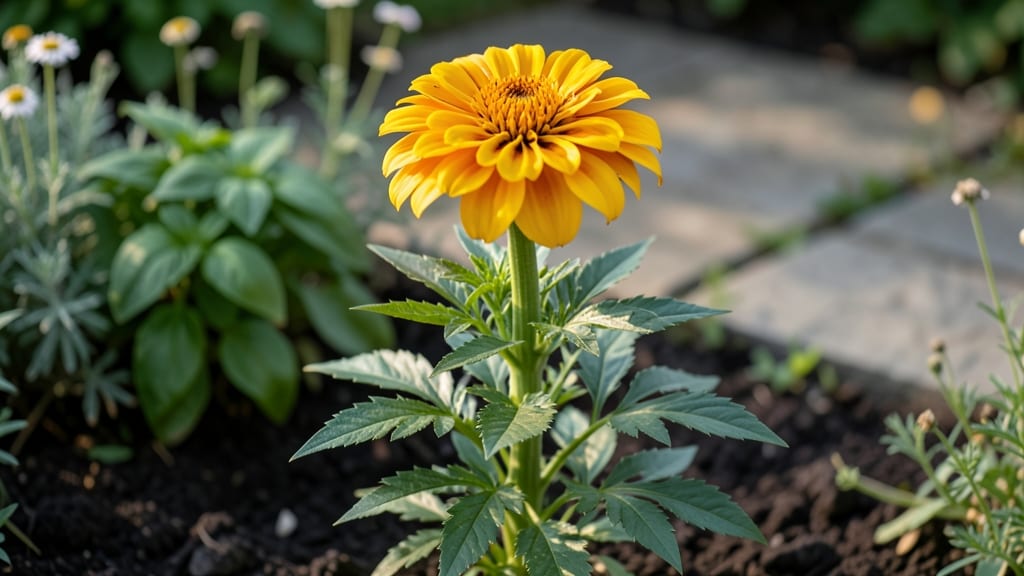
Growing American marigolds from seed is the easiest way to get twist-free pods and save seeds like a pro. 🌻 I learned the hard way that these tall, sturdy marigolds (Tagetes erecta) need just the right conditions to thrive—and they reward you with bold, long-lasting blooms that keep pests at bay all season.
The secret starts with full sun and well-draining soil. Plant seeds ¼ inch deep after your last frost when soil reaches 60°F, spacing them 12 inches apart. They germinate in 7-14 days, and once established, they’re drought-tolerant once roots take hold.
No fuss, just reliable blooms from early summer through frost. What makes these marigolds special? Their smooth, twist-free seed pods—unlike French marigolds that twist shut. This means easy seed saving for next year’s garden. Plus, their strong scent deters nematodes, making them a must-have for veggie gardens.
Perfect for borders, cut flowers, or pest control. Once you grow them, you’ll never buy marigold seeds again—they’re foolproof and self-sustaining.
📚 In This Guide
- What you need
- Instructions
- Tips and common mistakes
- Wrapping up and next steps
What you need
- ● Seeds: 1 packet of Tagetes erecta (American Seed Marigold) – 50-100 seeds (or 1-2 plants per 12" spacing).
- ● Growing Containers or Garden Bed: For containers: 5"–6" pots (1 plant per pot) or a raised bed (minimum 12" width).
- ● For in-ground planting: Well-draining soil in full sun (6+ hours/day).
- ● Potting Mix: High-quality, seed-starting mix (sterile and lightweight) or garden soil amended with compost.
- ○ Fertilizer: Optional but recommended: Balanced 10-10-10 or 5-10-10 fertilizer (use sparingly—marigolds are low-maintenance!).
- ● Slow-release granules (like Osmocote) for long-term growth.
- ● Planting Tools: Hand trowel or small transplant spade.
- ● Watering can or gentle spray nozzle (to avoid disturbing seeds).
- ● Pruning Shears: Sharp, bypass pruners (for harvesting seed pods later).
- ○ Gloves (optional): Lightweight gardening gloves to protect hands from Tagetes sap (can irritate sensitive skin).
- ● Sunlight & Temperature: Direct sunlight: 6+ hours/day (marigolds thrive in heat!).
- ● Ideal temps: 70–85°F (21–29°C) for germination.
- ● Drought Tolerance: Once established, marigolds are drought-resistant—but young plants need consistent moisture.
Step-by-Step guide to growing American seed marigolds for reliable seed saving
Here's how to grow these hardy annuals with minimal fuss—perfect for beginners eager to save seeds.
🌱 Step 1: Choose the Right Location and Plant Seeds Directly
American seed marigolds thrive in full sun and well-draining soil, so pick a spot that gets at least 6-8 hours of direct sunlight daily. These plants dislike being transplanted, so sow seeds directly in the garden after your last frost date when soil temperatures reach 60°F or warmer.
Scatter seeds ¼ inch deep, spacing them 12-18 inches apart in rows 18-24 inches apart to allow for airflow and prevent fungal diseases. I like to plant them in clusters of 3-4 seeds every 12 inches to create a natural grouping that looks fuller and produces more seed pods. Lightly cover the seeds and water gently to settle the soil without disturbing them.
☀️ Step 2: Maintain Consistent Moisture and Fertility
Keep the soil evenly moist but not soggy—marigolds are drought-tolerant once established, but young plants need steady watering. Water at the base of the plants in the morning to allow foliage to dry before evening, reducing the risk of powdery mildew. You'll know you're doing it right when the soil feels damp 1-2 inches down but not wet.
Feed with a balanced, 10-10-10 fertilizer at planting and again when plants reach 6 inches tall. Too much nitrogen will encourage leafy growth at the expense of flowers and seed pods. I skip fertilizer after flowering begins—marigolds are self-sufficient once established, and overfeeding can lead to weak stems that snap under the weight of seed heads.
🌿 Step 3: Encourage Flowering and Monitor for Pests
Pinch back the tips of young plants when they reach 6-8 inches tall to promote bushier growth and more flowers. This simple step ensures you'll have plenty of seed pods later. Deadhead spent blooms regularly to redirect the plant's energy toward producing more flowers instead of setting seed prematurely—though if you're saving seeds, let a few flowers mature naturally on the plant.
Watch for common pests like aphids or spider mites, which love marigold foliage. A strong spray of water usually knocks them off, but if infestations persist, treat with neem oil. Healthy plants develop a strong scent that naturally deters many pests, so maintaining vigor is your best defense.
⏰ Step 4: Harvest Seed Pods at Peak Maturity
The magic happens when the flower petals fall away, leaving behind the distinctive twist-free seed pods that give American marigolds their name. These pods will turn from green to brown and dry out completely—this usually takes 4-6 weeks after flowering. The pods are ready when they're fully dry and rattle slightly when shaken.
Harvest pods by gently twisting them off the stem. Store them in a cool, dry place for 1-2 weeks to fully cure before opening. The seeds inside will be plump and dark—these are your new seed-saving stock. I like to label each batch with the variety and harvest date to keep track of germination rates over time.
🪴 Step 5: Save Seeds for Next Season's Planting
Once fully dried, open the pods and remove the seeds. Store them in a paper envelope (not plastic—it traps moisture) in a cool, dark place. American marigold seeds remain viable for 2-3 years when stored properly, making them an easy crop to save and share.
Here's the thing—these seeds are remarkably consistent from year to year, so you can rely on them to produce the same vibrant blooms and twist-free pods. Plant a few each season, and you'll never need to buy marigold seeds again. The real reward? Watching your garden fill with cheerful blooms and knowing you're growing from seeds you saved yourself.
Tips & tricks for perfect American seed marigold growth
Took me a while to figure these out, so here goes—these little details make all the difference with marigolds.
Location and Spacing Secret: In Step 1, don't just plant seeds randomly—create those 12-inch clusters I mentioned. This mimics their natural growth pattern and gives you more seed pods per plant. The 18-24 inch row spacing might feel generous, but it prevents fungal diseases by improving airflow. I've seen powdery mildew wipe out entire rows when plants are crowded.
Soil Temperature Matters: That 60°F soil temperature in Step 1 isn't just arbitrary—it's when seeds actually germinate reliably. Use a soil thermometer if you're unsure, especially in cooler climates. I've waited weeks for germination only to realize the soil was still too cold. Pro tip: Black plastic mulch warms soil faster if you're in doubt.
Pinching Technique: When you pinch back those 6-8 inch tall plants in Step 3, aim for just above a set of leaves where new growth emerges. This encourages branching that leads to more flowers and seed pods. I used to pinch too high—now I get twice as many pods from each plant. The key is timing: do it when plants are healthy but before they flower.
Harvesting Wisdom: That 4-6 week window after flowering in Step 4 is crucial. The pods need that full drying time to develop viable seeds. I learned the hard way—harvesting too early gives you shriveled, non-viable seeds. Wait until they rattle when shaken, then store them for 1-2 weeks more to ensure complete dryness before opening.
Pro Tips for American Seed Marigold
- Took me a while to figure these out, so here goes—these little details make all the difference with marigolds.
- Location and Spacing Secret: In Step 1, don't just plant seeds randomly—create those 12-inch clusters I mentioned.
- Soil Temperature Matters: That 60°F soil temperature in Step 1 isn't just arbitrary—it's when seeds actually germinate reliably.
Frequently asked questions
Got questions about growing and saving seeds from American Seed Marigolds? You’re not alone! Here are some of the most common queries—plus quick, practical answers to keep your garden thriving.
When is the best time to plant American Seed Marigolds?
These hardy annuals thrive in warm soil, so wait until after the last frost (when nighttime temps stay above 50°F/10°C). For a head start, sow seeds indoors 4–6 weeks before transplanting. In warmer climates (Zones 8–11), you can plant as early as February or March!
How long does it take for American Seed Marigolds to produce pods?
From seed to mature pods, expect 60–90 days under ideal conditions (full sun, well-draining soil). If your plants bolt (send up flowers quickly), they’ll produce pods faster—just be ready to harvest before seeds scatter. Pro tip: Deadhead spent blooms to encourage more seed production!
Can I use regular marigold seeds instead of American Seed Marigolds?
While all marigolds are related, American Seed Marigolds (Tagetes erecta) are prized for their twist-free pods and uniform seeds—perfect for saving. Other varieties (like French or African marigolds) may have tight, stubborn pods that resist opening. Stick with the right type for hassle-free seed harvesting!
Why aren’t my marigold pods opening to release seeds?
Pods often stay closed due to humidity, pests, or immature seeds. Try these fixes:
- Dry them out: Harvest pods when they’re brown and crispy, then place them in a paper bag for 1–2 weeks to "bake" naturally.
- Check for pests: Aphids or mites can damage pods. Spray with neem oil if needed.
- Cut them open: Use scissors to gently slice pods lengthwise if they’re stubborn.
How do I store saved marigold seeds for next year?
Once pods are fully dry and seeds are loose, store them in a cool, dark, dry place (like a sealed envelope or jar). Label with the date—American Seed Marigold seeds stay viable for 2–3 years! For extra protection, add a silica gel packet to absorb moisture.
Wrapping up and next steps
Growing American Seed Marigold isn’t just rewarding—it’s a game-changer for gardeners who love easy seed saving and vibrant blooms! 🌻 With twist-free pods and minimal fuss, these marigolds make saving seeds a breeze, ensuring you’ll have fresh plants year after year.
Whether you’re a beginner or a seasoned green thumb, this guide gives you all the tools to succeed.
Ready to take the next step? Start by planting a few seeds today—your future garden (and your neighbors!) will thank you. Happy growing! 🌱