
Lawn
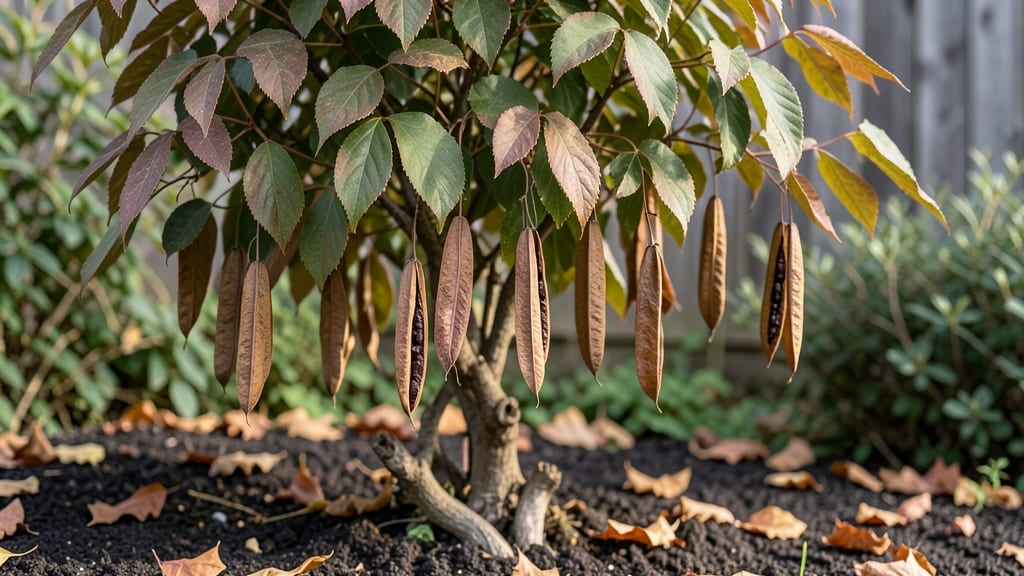
Harvesting American wisteria seed pods means unlocking a free, fragrant future for your garden—if you know when and how to do it right. 🌿 The pods turn from green to brown in late summer, signaling it’s time to collect them before they split open and scatter seeds everywhere.
One wrong move, and you’ll spend next year pulling up volunteers instead of enjoying planned vines.
You’ll need just a few simple tools: thick gloves (those seeds are sticky and messy), pruning shears for cutting mature pods, and a bucket lined with paper towels to catch the seeds as you open them.
Timing is everything—wait too long, and the pods pop open on their own, leaving you with a seed explosion instead of a controlled harvest.
Once you’ve got the pods, crack them open carefully to reveal the flat, brown seeds inside. These little powerhouses need a cold stratification period to break dormancy—just plant them in moist sand or a damp paper towel and refrigerate for 60-90 days before sowing.
Patience pays off when you see those first tendrils appear in spring.
Fair warning: American wisteria grows fast and can be aggressive in the right (or wrong) conditions. Start with a sturdy trellis, prune regularly, and plant where it can climb without crowding other plants.
The payoff? Clusters of fragrant purple blooms that’ll make your garden the envy of the neighborhood—once you’ve mastered the seed collection game.
📚 In This Guide
- What you need
- Instructions
- Tips and common mistakes
- Wrapping up and next steps
What you need
- ● Gloves (heavy-duty gardening or work gloves) – Protect your hands from thorns and sap (1–2 pairs).
- ● Pruning shears or loppers – For cleanly cutting seed pods from vines (sharp, 6–8" blades).
- ● Large bucket or basket (with a lid) – To collect pods without crushing them (18–24" diameter).
- ● Newspaper or paper towels – For drying and separating pods (1–2 sheets).
- ● Paper bags (brown kraft, 1–2 gallon size) – For air-drying pods (5–10 bags).
- ● Twine or rubber bands – To secure bags and label them (small spool or pack).
- ● Permanent marker – For labeling harvest dates (1).
- ● Plastic or glass storage containers (airtight) – For long-term seed storage (1–2 containers, 1–2 quart size).
- ○ Desiccant packets (optional but recommended) – To absorb moisture in storage containers (2–4 packets).
- ● Ladder or step stool – For reaching high pods on tall vines (if needed).
- ● Disinfectant spray (70% isopropyl alcohol) – To sterilize tools between cuts (small bottle).
- ● Magnifying glass – For inspecting pods for pests or damage.
- ● Digital scale – To track pod weight for germination tests (0.1 oz precision).
- ● Notebook or app (e.g., Gardenate) – To log harvest dates and storage conditions.
Step-by-step instructions for harvesting and storing American wisteria seed pods
Here's my foolproof method for collecting and storing wisteria seeds—no guesswork, just reliable results.
🌿 Step 1: Identify and Harvest Ripe Seed Pods
Wait until late summer or early fall when the pods turn brown and papery, splitting open naturally. They should feel dry to the touch and release seeds easily when gently squeezed. Harvest on a dry, sunny morning—this prevents mold and ensures seeds stay viable.
Use clean pruning shears to snip the pods directly from the vine, leaving a small stem attached. Place them in a paper bag (not plastic) to allow airflow. I collect pods in small batches—overfilling the bag traps moisture and speeds up spoilage.
🪴 Step 2: Dry and Clean the Pods
Spread the harvested pods in a single layer on a clean, dry towel or mesh screen. Place them in a shady, well-ventilated spot for 5-7 days—this ensures complete drying. You'll know they're ready when the pods crackle slightly when handled and no moisture remains inside.
Once dry, gently open each pod over a white tray to catch the seeds. Use a small brush or your fingers to separate any remaining pod fragments. Discard any seeds that look shriveled or discolored—these won’t germinate. Store good seeds in a paper envelope labeled with the harvest date.
⏰ Step 3: Stratify Seeds for Best Germination
American wisteria seeds need stratification to break dormancy. Mix the seeds with damp sand or peat moss in a sealed plastic bag—keep the mix moist but not soggy. Place the bag in the refrigerator for 60-90 days. Check monthly to ensure the mix stays damp; add a few drops of water if needed.
This cold treatment mimics winter conditions, signaling the seeds it’s safe to sprout. After stratification, plant the seeds ½ inch deep in well-draining soil and keep them in a bright, indirect light spot. Germination can take 2-4 weeks—patience is key here.
💧 Step 4: Store Seeds for Future Planting
For seeds you won’t plant immediately, place them in a paper envelope and store in a cool, dry place (like a seed vault or refrigerator). Label with the harvest year—viability drops after 2-3 years. Keep them away from direct sunlight or heat sources, which degrade seed quality.
If you’ve already stratified some seeds but aren’t ready to plant, store them in a small container with slightly damp peat moss in the fridge. This maintains moisture without over-saturating. Check periodically to ensure no mold develops—discard any seeds that smell musty or look fuzzy.
Tips & tricks for perfect American wisteria seed pod harvesting
Real talk: Harvesting wisteria seed pods is all about timing and patience—here's how to avoid the most common pitfalls.
Harvest Timing: I can't stress this enough—wait until the pods are completely brown and papery, not just turning color. Green pods won't release seeds properly, and overripe pods will crumble apart. The best time is on a dry morning after the dew has evaporated, which prevents mold from forming during transport. I've learned this the hard way after trying to harvest too early!
Drying Technique: That 5-7 day drying period is non-negotiable for seed viability. I recommend using a mesh screen instead of a towel—it allows air to circulate on all sides, preventing any moisture buildup. Place the screen in a spot with good airflow but indirect sunlight. If you live in a humid climate, you might need to extend this to 10 days. The crackling sound when pods are dry is your golden ticket!
Stratification Hack: When mixing seeds with damp sand or peat moss, I like to use a ratio of 1 part seeds to 3 parts sand. This prevents clumping and ensures even moisture distribution. The key is keeping it damp but not soggy—think of a wrung-out sponge. I check my bags monthly by squeezing a handful; if water drips out, it's too wet. If it feels completely dry, add a few drops of water and reseal.
Pro Tips for American Wisteria Seed Pods
- Real talk: Harvesting wisteria seed pods is all about timing and patience—here's how to avoid the most common pitfalls.
- Harvest Timing: I can't stress this enough—wait until the pods are completely brown and papery, not just turning colo...
- Drying Technique: That 5-7 day drying period is non-negotiable for seed viability. I recommend using a mesh screen in...
Frequently asked questions
Got questions about harvesting and storing American wisteria seed pods?
You’re not alone! Here are some of the most common queries—and their stress-free solutions.
When is the best time to harvest American wisteria seed pods?
Harvest seed pods when they turn brown and papery (usually late summer to early fall). Avoid harvesting if pods are still green—they won’t be viable. Wait until they’re fully dried but haven’t split open on their own.
Are American wisteria seed pods poisonous?
Yes! All parts of American wisteria—including seed pods—contain toxic compounds like lectins and wisterin. Wear gloves when handling them, and never ingest them. Keep them away from pets and children.
How do I store harvested seed pods for planting?
Store pods in a cool, dry place (like a paper bag or envelope) for up to 6 months. For longer storage, place them in the fridge (not the freezer) to maintain viability. Label them clearly to avoid confusion!
Can I grow American wisteria from seed pods?
Yes, but it’s a slow process (2–3 years for flowering). Soak pods in warm water for 24 hours to soften, then scrape out the seeds. Plant them ½ inch deep in well-draining soil. Patience is key—this isn’t a fast-growing vine!
Why are my seed pods attracting pests or mold?
Overripe or damp pods can draw insects or mold. Harvest promptly when pods are dry, and store them in a well-ventilated container (like a mesh bag). If mold appears, discard the pods immediately to prevent spread.
Wrapping up and next steps
Harvesting and storing American wisteria seed pods doesn’t have to be a daunting task—with the right tools and techniques, you can enjoy their beauty and benefits year-round! 🌿 Whether you’re saving seeds for propagation or simply admiring their unique shape, proper handling ensures success.
Now that you’re equipped with the knowledge, why not take the next step? Try experimenting with dried pods in your garden decor or share your newfound skills with fellow plant enthusiasts.
🌱 Next Steps:
- Document your progress: Snap photos of your harvest and storage process to track growth or share on gardening forums.
- Explore creative uses: Craft wreaths, mobiles, or even natural dyes from the pods!
- Connect with others: Join local gardening groups to swap tips and inspire fellow wisteria lovers.