
Size
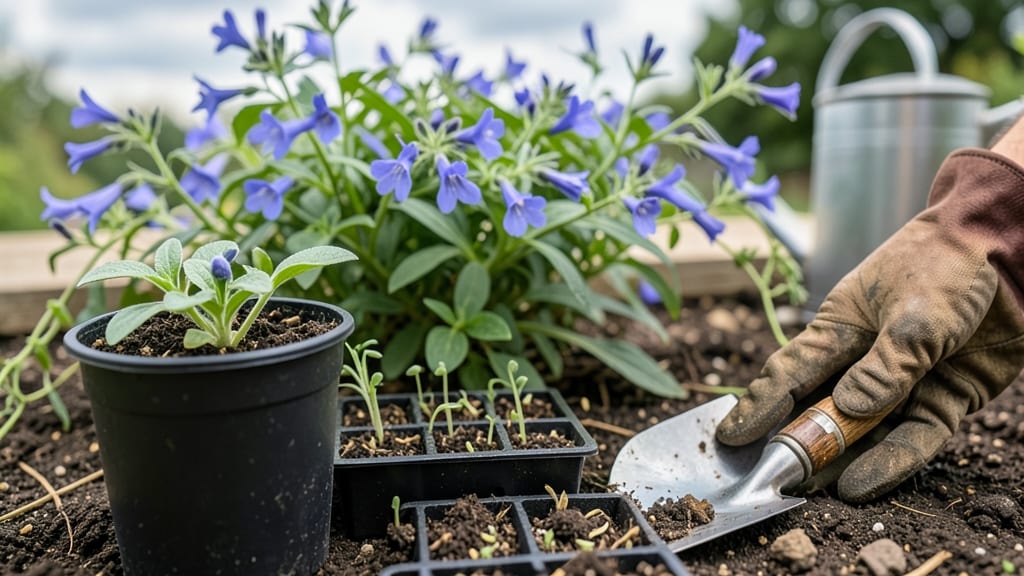
Growing blue seeds can twist your garden plans—literally. 🌱 Those iconic blue-hulled seeds (like cornflowers or lentils) often produce pods that spiral instead of standing straight, but there’s a foolproof trick to fix it before planting.
The secret lies in how you prep the seeds and soil, creating the perfect foundation for upright growth.
Start with a light, airy soil mix—half potting soil, half perlite or coarse sand—to prevent compaction. Before sowing, soak blue seeds overnight in warm water to soften their tough outer shells.
Plant them just ½ inch deep in well-drained containers, spacing them 2 inches apart to avoid crowding. This simple prep stops the twisting habit before it starts.
Once sprouted, keep soil consistently moist (not soggy) and place containers in full sun for 6+ hours daily. Within 2-3 weeks, you’ll see straight, sturdy seedlings reaching for the light—no more gnarled pods. The trick works for blue cornflowers, morning glories, or even lentils in containers.
For extra insurance, stake taller varieties (like morning glories) at planting time. The key is consistency: water, sun, and space. By summer, your blue-seeded plants will stand tall and proud, proving that a little prep goes a long way. Ready to try it?
📚 In This Guide
- What you need
- Instructions
- Tips and common mistakes
- Wrapping up and next steps
What you need
- ● Blue seed packets – Choose 1-2 varieties (e.g., Indigofera or Baptisia) based on your climate zone (check seed labels for specifics). Aim for 50-100 seeds for a small plot or 200+ seeds for a full garden bed.
- ● Well-draining potting mix – 5-10 gallons, depending on container size (use a blend with 50% compost for nutrient-rich soil).
- ● Containers or garden bed – Containers: 5-10 gallon pots (with drainage holes) for each 5-10 plants.
- ● Garden bed: 6-12 inches deep, 12-18 inches wide per plant (space rows 18-24 inches apart for airflow).
- ● Organic fertilizer – Balanced 10-10-10 or 5-5-5 (use 1 tbsp per plant at planting and again at 6 weeks).
- ● Mulch – 2-3 inches of straw or wood chips to retain moisture and suppress weeds.
- ● Hand trowel – For planting and transplanting (lightweight, 4-6 inches long).
- ● Garden gloves – Cotton or nitrile-coated to protect from thorns (some blue seed plants can be prickly!).
- ● Watering can or hose with nozzle – Fine-mist setting for seedlings (1-2 gallons per watering).
- ● Pruning shears – Sharp, bypass-style for trimming twisted pods or dead foliage.
- ○ pH test kit – Optional but helpful (aim for 6.0-7.0 pH; blue seed prefers slightly acidic to neutral soil).
- ● Sunlight access – 6-8 hours of full sun daily (partial shade tolerates 4-6 hours).
- ● Watering schedule – 1 inch per week (adjust for rain; avoid soggy soil!).
- ● Patience – Germination takes 10-21 days; pods mature in 60-90 days.
- ○ Support structures (optional) – Trellis or stakes if plants grow 3+ feet tall (prevents twisting from wind).
Instructions for growing blue seed pods without twisting
Here's the straightforward method I use to grow straight, healthy blue seed pods every season.
🌱 Step 1: Choose the Right Variety and Planting Location
Start with a blue seed variety known for its straight pods, like Blue Lake Bush Bean or Blue Podded Pea. These varieties are bred for minimal twisting. Plant in a sunny spot with at least 6-8 hours of direct sunlight daily—partial shade leads to weak stems and more twisting.
I always test soil pH before planting; blue seed pods thrive in slightly acidic to neutral soil (6.0-7.0). If your soil is too alkaline, the pods develop unevenly. Amend with compost or peat moss if needed. Space plants 12-18 inches apart to allow airflow, which prevents fungal issues that worsen twisting.
💧 Step 2: Water Consistently to Avoid Stress
Inconsistent watering is the #1 cause of twisting pods. Keep the soil evenly moist—never soggy, never dry. Water deeply 1-2 times per week, aiming for 1 inch of moisture per week. Use a soaker hose or drip irrigation to deliver water directly to the roots without wetting the leaves, which reduces disease risk.
Watch for wilting or yellowing leaves—these are early signs of stress. If you see pods starting to twist slightly, increase watering frequency temporarily. Mulch with 2-3 inches of straw or shredded leaves to retain moisture and stabilize soil temperature, which helps prevent uneven growth.
☀️ Step 3: Provide Support Early to Prevent Bending
Install trellises, cages, or stakes as soon as plants reach 6 inches tall. I swear by 5-foot bamboo stakes for bush beans—they’re sturdy and let pods grow straight upward. For vining varieties, use strong twine or garden netting to guide vines gently. Avoid tight ties; pods need room to expand.
Check supports weekly for loose ties or sagging plants. If a pod starts twisting, gently straighten it and secure it to the support with a soft strip of fabric. This prevents permanent warping. Prune any overly aggressive side shoots that compete for energy, as they can cause uneven pod development.
✂️ Step 4: Harvest at the Right Time to Stop Twisting
Harvest pods when they’re firm but fully colored—usually 50-70 days after planting, depending on the variety. Twisting often worsens if pods mature too long on the vine. Use clean scissors or pruners to cut stems ¼ inch above the pod to avoid damaging the plant. Harvest in the morning when pods are crispest and least prone to stress.
Remove any already twisted or deformed pods immediately—they signal the plant is struggling. This encourages the plant to focus energy on producing straight, healthy new pods. Store harvested pods in the fridge for up to 5 days or freeze them for longer storage to preserve quality.
🌿 Step 5: Monitor for Pests and Nutrient Imbalances
Common pests like bean beetles or aphids can weaken plants, leading to twisted pods. Inspect leaves weekly for signs of infestation—chewed edges or sticky residue. Treat with neem oil or insecticidal soap if needed, but always follow up with a water rinse to avoid leaf burn.
Twisting can also signal a nutrient deficiency, especially calcium or boron. If pods develop hollow spots or cracks, apply a balanced fertilizer (10-10-10) or calcium supplement like crushed eggshells. Over-fertilizing with nitrogen, however, makes the problem worse—stick to light applications every 4-6 weeks.
Tips & tricks for straight blue seed pods
Here's what nobody tells you about growing perfectly straight blue seed pods—tricks that'll save you from frustrated gardening seasons.
The Variety Matters: While Blue Lake Bush Bean and Blue Podded Pea are your best bets, don't overlook heirloom varieties like 'Blue Lake Wind' or 'Mammoth Melting Snow' for even straighter growth. These varieties have been selectively bred to resist twisting, and their genetic resistance gives you a head start. I've found that planting a mix of varieties actually reduces overall twisting in the garden because healthy plants support each other's growth patterns.
Soil Science Secret: The pH range of 6.0-7.0 isn't just arbitrary—it's where calcium becomes most available to the plants. If your soil tests alkaline, don't just add compost; mix in 1-2 cups of elemental sulfur per 100 square feet to lower the pH gradually. I learned this the hard way after wasting two seasons on uneven pods. Also, consider adding 1 tablespoon of Epsom salt per plant at planting time to boost magnesium, which works synergistically with calcium to prevent twisting.
Watering Hack: The 1-2 times per week guideline assumes average rainfall. In hotter climates, you might need daily watering during peak summer months—just check the top inch of soil daily. I use a simple moisture meter to track soil moisture levels, which helps me adjust watering precisely. The key is consistency: plants develop twisting when they experience alternating dry and wet periods, so aim for that even moisture like a well-tuned sponge.
Support System: When installing your 5-foot bamboo stakes, drive them 6 inches deep into the soil for maximum stability. For vining varieties, use jute twine instead of plastic—it's biodegradable and allows the vines to breathe while still providing gentle guidance. I've noticed that plants supported with jute actually grow straighter because the natural give in the twine mimics the plant's own movement patterns. Check your supports weekly, but don't over-tighten—the pods need room to expand, and too much pressure can cause them to warp.
Pro Tips for Blue Seed Grow A Garden
- Here's what nobody tells you about growing perfectly straight blue seed pods—tricks that'll save you from frustrated gardening seasons.
- The Variety Matters: While Blue Lake Bush Bean and Blue Podded Pea are your best bets, don't overlook heirloom varieties like 'Blue Lake Wind' or 'Mammoth Melting Snow' for even straighter growth.
- Soil Science Secret: The pH range of 6.0-7.0 isn't just arbitrary—it's where calcium becomes most available to the plants.
Frequently asked questions
Got questions about growing blue seed pods and keeping them straight? You’re not alone!
Here are the most common concerns—plus quick fixes to help you grow a thriving garden with perfect pods.
How do I prevent blue seed pods from twisting?
Twisting pods often happen due to uneven watering, poor soil drainage, or overcrowding. Ensure consistent moisture (but not soggy soil) and provide sturdy support like stakes or cages. Prune nearby plants to improve airflow and reduce competition for nutrients.
When is the best time to plant blue seed for straight pods?
Start seeds indoors 6-8 weeks before your last frost date, then transplant seedlings outdoors after soil temps reach 55°F+. For direct sowing, wait until soil is warm and all frost risk has passed. Early planting gives pods time to mature without stress.
Can I grow blue seed in containers? What size pot do I need?
Yes! Use containers at least 12 inches deep with drainage holes. Blue seed vines need space to sprawl—opt for a 5-gallon pot or larger if growing just one plant. Add compost-rich soil and trellis support to encourage vertical growth and prevent twisting.
What can I do if my pods are already twisting?
Gently straighten pods by tying them to a stake with soft twine or plant clips. Avoid pulling too tight—focus on support, not force. Improve soil health with organic matter (like worm castings) and reduce watering fluctuations to help future pods grow straighter.
Are there alternative varieties with naturally straight pods?
Some heirloom or hybrid varieties (like ‘Blue Lake Bush’ or ‘Blue Moon’) are bred for compact growth and fewer twisting issues. Check seed packets for “bush” or “determinate” labels—they’re your best bet for low-maintenance, straight pods!
Wrapping up and next steps
Growing a thriving garden with blue seed doesn’t have to be a struggle—especially when you know the secret to preventing those pesky twisting pods! 🌱 With the right techniques, proper spacing, and a little patience, you’ll soon enjoy lush, healthy plants and a bountiful harvest.
Remember, the key is consistency: monitor your plants, adjust their support, and give them the love they deserve.
Ready to take the next step? Start small—plant a few seeds, test your new tricks, and watch your garden transform! Happy growing! 🌟