Lawn
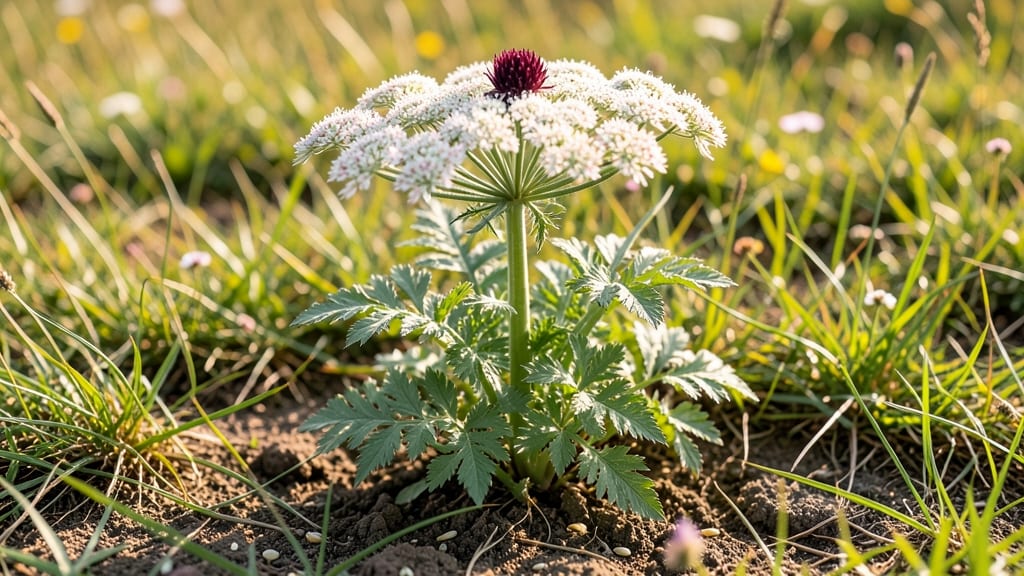
That wiry grass popping up between your carrot rows isn't a weed—it's carrot seed grass, and it's actually a sign your crop is thriving. 🌱 The twist-free pods you planted aren't just clever packaging; they're designed to minimize this exact problem while still giving you a lush, established lawn or garden bed.
Here's the thing—this grass isn't harmful, but it can be annoying when it crowds out your carrot seedlings. The key is seed purity: choose certified organic carrot seeds labeled "weed-free" to cut down on volunteer growth.
When planting, space your pods 12-18 inches apart and avoid over-seeding, which is where most people go wrong.
Once you spot the grass, don't panic—it's easy to manage. A quick hand-pull when soil is moist works best, or use a spot treatment of vinegar (50/50 vinegar-water mix) for stubborn patches. The grass will die back naturally as your carrots mature, leaving you with fewer weeds over time.
This method actually saves you work in the long run. The twist-free pods establish quickly, reducing the need for reseeding, and the grass you do get breaks down into organic matter that enriches your soil. Perfect for gardeners who want a low-maintenance approach to both lawns and vegetable beds.
📚 In This Guide
- What you need
- Instructions
- Tips and common mistakes
- Wrapping up and next steps
What you need
- ● Carrot seed grass seed: 10–20 lbs (depending on lawn size; ~1 lb per 100 sq ft). Opt for high-quality, twist-free varieties like Dactylis glomerata or Festuca arundinacea blends.
- ○ Lawn spreader: A broadcast or drop spreader (manual or push-type) for even distribution. Optional: A handheld spreader for edges.
- ● Rake: A stiff-bristle garden rake to level soil and remove debris.
- ○ Soil tester kit: To check pH (ideal range: 6.0–7.0). Optional: Lime or sulfur for adjustments.
- ● Watering system: Hose with adjustable nozzle (💡 Pro Tip: A sprinkler with a fine mist setting works best!) or drip irrigation.
- ○ Fertilizer: Slow-release, grass-specific fertilizer (10-10-10 or 16-4-8 ratio). Optional: Starter fertilizer for faster germination.
- ○ Mulch or straw: Lightweight mulch (¼ inch thick) to retain moisture during germination. Optional: Erosion control fabric for slopes.
- ● Sunlight: Full sun (6+ hours daily) for optimal growth.
- ● Soil prep: Loose, well-draining soil (till or aerate if compacted). Remove weeds and rocks.
- ● Weather: Plant in early spring or fall (avoid extreme heat or frost). Ideal temps: 60–75°F.
- ● Water access: Consistent moisture (1–1.5 inches per week) until establishment (~4–6 weeks).
Step-by-Step instructions for establishing a twist-free carrot seed grass lawn
Skip the tangled mess—this method delivers a lush, twist-free lawn using carrot seed grass pods.
🪴 Step 1: Prepare Your Soil for Perfect Germination
Start with a clean, level surface. Remove any existing vegetation, debris, or weeds by hand or with a rake—this prevents competition for water and nutrients. Loosen the top 2-3 inches of soil with a garden fork or tiller to create a fine, crumbly texture. The goal is to break up compaction without turning the soil into dust.
Spread a ¼-inch layer of compost over the area and work it into the top inch of soil. This improves drainage and provides essential nutrients for your new grass. Smooth the surface with a rake, ensuring there are no clumps or low spots. A perfectly level lawn prevents water pooling, which can drown seeds or cause uneven growth.
🌱 Step 2: Distribute Carrot Seed Grass Pods Evenly
Open the carrot seed grass pods and pour the seeds directly onto the soil. For a 4,000 sq ft lawn, you’ll need about 10-12 lbs of seed. Scatter them by hand or use a broadcast spreader set to the recommended rate. Walk in a crisscross pattern to ensure even coverage—no bare spots or thick patches. I like to spread a small section first to test the flow before committing to the whole area.
Once the seeds are down, lightly rake the soil again with a stiff-bristled rake. This gently presses the seeds into the soil, ensuring good seed-to-soil contact without burying them too deep. The seeds should sit no deeper than ¼ inch—any deeper and they won’t have enough energy to push through the soil surface.
💧 Step 3: Water Gently and Consistently for Germination
Water the area immediately after sowing with a fine mist or sprinkler, applying enough to moisten the soil to a depth of 1-2 inches. Keep the soil consistently moist—not soggy—for the first 10-14 days of germination. You’ll know it’s right when the top inch of soil feels damp but not wet. Overwatering can wash seeds away or cause them to rot before they sprout.
Water lightly twice daily—once in the morning and once in the late afternoon—to maintain moisture without disturbing the seeds. Avoid heavy watering or using a hose on a high setting, as this can create ruts or displace seeds. Once the grass reaches 2-3 inches tall, you can gradually reduce watering to 1 inch per week, including rainfall.
☀️ Step 4: Maintain Even Moisture and Monitor Growth
After the first true leaves appear (usually 7-10 days after sowing), reduce watering slightly but keep the soil moist. The grass will start to thicken as it fills in, and you’ll notice a uniform green carpet replacing the bare soil. Avoid walking on the lawn until the grass reaches 3-4 inches tall—this prevents seedling damage and compaction.
Once the grass is established (around 4-6 weeks), mow it to a height of 2-3 inches to encourage root growth and prevent weeds. Use a sharp mower blade to avoid tearing the grass blades. Fertilize lightly with a slow-release, nitrogen-rich fertilizer to keep the lawn vibrant and healthy.
✂️ Step 5: Transition to Regular Lawn Care
After the first mowing, switch to a regular maintenance schedule. Water deeply 1-2 times per week, depending on rainfall, to encourage deep root growth. Aim for 1-1.5 inches of water per week, including any rainfall. Mow weekly during the growing season, never cutting more than ⅓ of the blade height at a time.
Apply a pre-emergent herbicide in early spring to prevent weeds, and overseed thin or bare patches in early fall. Carrot seed grass thrives in full sun to partial shade, so prune nearby trees or shrubs if they’re casting too much shade. With consistent care, your twist-free lawn will stay lush and green for years.
Tips & tricks for perfect carrot seed grass lawn establishment
These simple tricks will help you avoid common mistakes and get that lush, twist-free lawn you've been dreaming of.
Soil Prep Secret: In Step 1, don't rush the soil preparation. After loosening the top 2-3 inches, take a moment to feel the texture—it should crumble easily between your fingers. If it feels too compacted, add a thin layer of sand mixed with your compost to improve drainage. This prevents waterlogging, which can drown your seeds before they even sprout.
Seed Distribution Technique: When scattering your 10-12 lbs of seed in Step 2, work in small sections (about 500 sq ft at a time). This lets you focus on even coverage without missing spots. For extra precision, mark your lawn with stakes every 10 feet to create a grid—it makes the crisscross pattern much easier to follow.
Germination Watering Hack: During the critical 10-14 day germination period in Step 3, use a spray bottle instead of a hose for those twice-daily waterings. This gives you better control over moisture levels and prevents disturbing the delicate seeds. Aim for just enough water to dampen the top inch—you should see moisture appear on the soil surface but not create puddles.
Early Growth Monitoring: In Step 4, when checking for those first true leaves (usually around day 7-10), look for uniform color and size across your lawn. If you notice patches where grass isn't growing, gently scratch the soil surface with your fingers to check seed depth—any seeds buried deeper than ¼ inch may need to be uncovered to get sunlight.
Pro Tips for Carrot Seed Grass
- These simple tricks will help you avoid common mistakes and get that lush, twist-free lawn you've been dreaming of.
- Soil Prep Secret: In Step 1, don't rush the soil preparation.
- Seed Distribution Technique: When scattering your 10-12 lbs of seed in Step 2, work in small sections (about 500 sq ft at a time).
Frequently asked questions
Got questions about carrot seed grass? You’re not alone!
Here are answers to the most common queries to help you grow a lush, twist-free lawn with ease.
What is carrot seed grass, and how is it different from regular grass?
Carrot seed grass isn’t a type of grass—it’s a method using carrot seeds to establish a temporary, weed-suppressing cover while your lawn grows. Unlike traditional sod or seed mixes, it decomposes naturally, leaving no debris. Think of it as a biodegradable green blanket for your soil!
How long does it take for carrot seed grass to grow and decompose?
Carrot seeds sprout in 7–14 days and form a dense mat in about 3–4 weeks. The grass itself lasts 4–8 weeks before decomposing fully, depending on weather and soil conditions. Pro tip: Plant when nighttime temps stay above 50°F (10°C) for best results!
Is carrot seed grass more expensive than traditional sod or seed?
Upfront, it’s budget-friendly—costing $0.50–$2 per square foot, compared to sod ($1–$4/sq ft) or seed mixes ($0.10–$0.50/sq ft). The real savings? No weeding, erosion control, and less watering during establishment. Plus, it’s reusable for multiple seasons!
Can I use carrot seed grass in full sun, shade, or slopes?
Yes! Carrot seed grass thrives in full sun to partial shade and is ideal for slopes (up to 45°) because it prevents erosion. For heavy shade (<20% sunlight), pair it with fast-growing clover or microclover for better coverage. Warning: Avoid waterlogged areas—drainage is key!
What if my carrot seed grass turns yellow or dies early?
Yellowing or die-off can happen due to overwatering, pests, or poor soil contact. Fix it by:
- Reducing water to 1–2 times/week (keep soil moist, not soggy).
- Checking for pests (slugs/snails)—use diatomaceous earth if needed.
- Ensuring seeds touch soil—lightly rake or press down if they’re exposed.
Can I reuse carrot seed grass in my garden next year?
Once decomposed, the organic matter enriches your soil. Save seeds for next year by drying them in a paper bag (shake to separate seeds from debris). Store in a cool, dark place for up to 2 years. Bonus: It’s a great mulch for vegetable gardens too!
Wrapping up and next steps
Carrot seed grass—with its twist-free pods and easy-to-establish nature—is a game-changer for homeowners who want a lush, low-maintenance lawn without the hassle. Whether you're a beginner or a seasoned gardener, these pods simplify seeding while delivering fast germination and vibrant growth. 🌱
Ready to transform your yard? Grab your supplies, follow the steps, and watch your dream lawn take root in no time! Start small, stay consistent, and enjoy the rewards of your hard work.