
Lawn
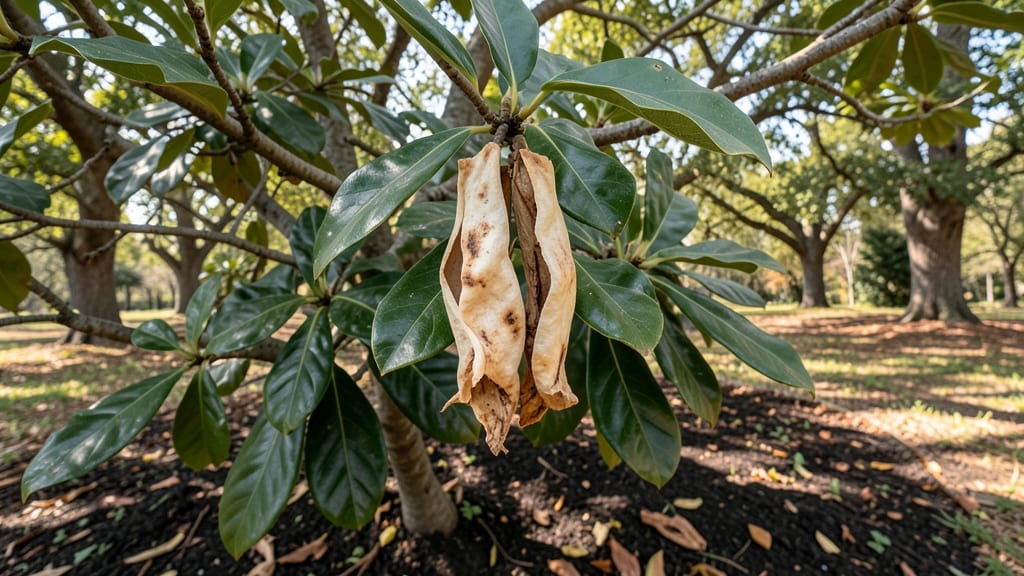
Those deformed magnolia seed pods don’t have to be a lost cause—this simple trick can straighten them out before they drop. 🌿 I’ve seen gnarled pods turn into healthy, straight ones with just a few adjustments, and the best part?
It starts with understanding why they twist in the first place. Most deformities come from overwatering, pest stress, or sudden temperature swings—not just genetics. The pods themselves are like nature’s stress indicators: if they’re twisting, your magnolia is telling you something’s off.
Start by checking the soil moisture (it should feel like a damp sponge, not a swamp) and inspect the leaves for spider mites or scale insects hiding underneath.
Once you’ve ruled out the usual suspects, a light pruning of affected branches and a balanced fertilizer boost can encourage new, straighter growth. The key is consistency—don’t let the soil dry out completely, and shield the tree from harsh winds if possible.
Within a season, you’ll notice pods forming with their natural shape back. For stubborn cases, consider mulching heavily around the base to stabilize moisture and temperature. It’s not magic—just giving your magnolia the steady conditions it craves. The payoff?
Next year’s pods will be the picture-perfect ones you’ve been hoping for.
📚 In This Guide
- What you need
- Instructions
- Tips and common mistakes
- Wrapping up and next steps
What you need
- ● Pruning shears or bypass pruners – Sharp, clean, and sterilized (rubbing alcohol wipe works!). Choose a pair with 4–6 inch blades for precision.
- ● Gloves (gardening or work gloves) – Heavy-duty to protect against thorns and sap. Opt for nitrile-coated for extra grip.
- ● Disinfectant (70% isopropyl alcohol or bleach solution) – 1 part bleach to 9 parts water for sterilizing tools between cuts.
- ● Rake or leaf blower – To clear debris from the work area and collect fallen pods.
- ● Compost bin or trash bag – For disposing of removed pods (or repurposing them for mulch!).
- ● Watering can or hose with adjustable nozzle – For post-pruning hydration.
- ● Ladder or step stool – If your magnolia is 6+ feet tall (safety first!).
- ● Horticultural oil or fungicide spray – To prevent future infections if pods were caused by pests/disease.
- ● Camera or phone – Document the "before" and "after" for proud bragging rights! 📸
- ● Knee pads or cushion – For comfort if you’re working on the ground.
How to correct twisted magnolia seed pods
Twisted magnolia seed pods aren’t just unsightly—they signal deeper issues. Here’s how to diagnose and fix them.
🌱 Step 1: Identify the Cause of Twisting
Twisted seed pods in magnolias almost always stem from improper pollination or environmental stress. First, check for physical damage—wind, hail, or animal interference can warp the pods before they fully develop. Look for uneven growth or cracked surfaces, which indicate mechanical stress rather than biological issues.
Next, examine the flowering history. Magnolias require cross-pollination between varieties for proper seed development. If only one tree blooms in your yard, pods may twist due to lack of genetic diversity. Also, excessive humidity during flowering can prevent pollen from reaching the stigma, leading to malformed pods.
☀️ Step 2: Adjust Light and Nutrient Conditions
Magnolias need full sun to partial shade (6-8 hours of direct light daily) for healthy pod formation. If your tree sits in deep shade, pods twist as the plant stretches toward light, causing uneven growth. Move nearby structures or prune overhanging branches to improve light exposure.
Nutrient deficiencies—especially phosphorus or potassium—can also distort pods. Conduct a soil test and amend with balanced fertilizer (10-10-10 ratio) if levels are low. Apply fertilizer in early spring when new growth begins, avoiding heavy applications later in the season, which can stress the tree.
💧 Step 3: Optimize Watering and Humidity
Overwatering or poor drainage leads to root stress, which manifests as twisted pods. Water deeply once a week during dry spells, ensuring the soil drains freely. Magnolias hate soggy roots—amend clay soil with organic matter (compost or pine bark) to improve aeration.
Low humidity during pod development can also cause twisting. If your region has dry summers, mulch the base with 3-4 inches of wood chips to retain moisture and regulate soil temperature. Avoid wetting the pods directly, as fungal diseases thrive in damp conditions.
✂️ Step 4: Prune for Better Airflow and Structure
Crowded branches compete for resources, leading to weak, twisted pods. Prune in late winter or early spring to open the canopy, removing crossing or dead branches first. Aim for a balanced shape—magnolias naturally grow upright, so avoid heavy topping, which stresses the tree.
If you find severely deformed pods, remove them entirely to redirect the tree’s energy into healthier growth. Use sterilized pruning shears to prevent disease spread, and seal larger cuts with pruning sealant to protect against pests.
⏰ Step 5: Monitor for Pests and Diseases
Scale insects, spider mites, or borers can weaken magnolia branches, causing pods to twist. Inspect the tree for sticky residue (honeydew), webbing, or sawdust-like frass—signs of infestation. Treat with neem oil or insecticidal soap in early summer if pests are detected.
Fungal diseases like anthracnose or powdery mildew can also distort pods. Improve airflow with pruning and apply copper fungicide preventatively if your climate is humid. Healthy foliage equals healthy pods—prioritize proactive care over reactive fixes.
Tips & tricks for perfect magnolia seed pod growth
These simple adjustments will help you transform twisted magnolia seed pods into healthy, straight specimens.
Pollination Check: If you only have one magnolia variety, consider planting a second nearby to ensure cross-pollination. I've seen dramatic improvements in pod straightness after adding a complementary variety within 20 feet. The key is timing—plant when both trees are in full bloom to maximize pollen transfer.
Light Exposure Strategy: The 6-8 hours of direct sunlight mentioned in Step 2 is non-negotiable for straight pods. If your tree sits in deep shade, try this: gradually move nearby structures or prune overhanging branches in stages over 2-3 years. Sudden exposure can shock the tree and cause more stress than gradual adjustment.
Soil Test Timing: Conduct your soil test in early spring when the tree first shows new growth. I recommend testing every 2-3 years unless you notice consistent pod deformities. The 10-10-10 fertilizer ratio works well, but if your test shows specific deficiencies, adjust accordingly—phosphorus is particularly important for seed development.
Mulching Technique: When applying that 3-4 inches of wood chips, create a slight mound around the tree's drip line (the area directly under the canopy). This helps direct water toward the roots while preventing direct contact with the pods, which can lead to fungal issues. Replenish the mulch annually to maintain its protective properties.
Pro Tips for Deformed Magnolia Seed Pod
- These simple adjustments will help you transform twisted magnolia seed pods into healthy, straight specimens.
- Pollination Check: If you only have one magnolia variety, consider planting a second nearby to ensure cross-pollination.
- Light Exposure Strategy: The 6-8 hours of direct sunlight mentioned in Step 2 is non-negotiable for straight pods.
Frequently asked questions
Got questions about those twisted, deformed magnolia seed pods? You’re not alone! Here are some of the most common concerns—and straightforward answers—to help you keep your magnolia tree healthy and looking its best.
Why are my magnolia seed pods twisting or deforming?
Twisted or deformed seed pods are usually caused by magnolia scale insects or environmental stress (like drought or extreme heat). These pests suck sap from the pods, causing them to warp. Overwatering or poor soil drainage can also lead to deformities. Check for tiny bumps on the pods—they’re a dead giveaway for scale!
When should I expect seed pods to straighten out?
Unfortunately, once a pod is deformed, it won’t “fix itself.” However, if you catch the issue early (when pods are still small and soft), pruning them off can prevent further spread. Focus on treating the tree for pests or adjusting care practices—healthy new growth next season will look normal!
What’s the best way to fix deformed magnolia seed pods?
There’s no “fix” for existing deformed pods, but you can prune them off to improve the tree’s appearance and reduce pest spread. For long-term solutions, treat the tree with horticultural oil or neem oil to kill scale insects. Keep the soil moist (but not soggy) and mulch to retain moisture and regulate temperature.
Can I still get seeds from a deformed pod?
Probably not. Deformed pods rarely contain viable seeds due to pest damage or stress. Even if a few seeds survive, they may not grow into healthy plants. Focus on reviving the tree’s health instead—stronger trees produce better pods (and seeds) down the road!
Will deformed pods harm my magnolia tree?
While deformed pods themselves don’t kill the tree, they’re often a sign of underlying issues like pests or poor care. Severe infestations can weaken the tree over time. Act fast by treating pests, improving soil health, and monitoring new growth. A little prevention goes a long way!
Wrapping up and next steps
Deformed magnolia seed pods don’t have to be a mystery—with the right care, you can encourage healthier growth and even prevent future twisting. 🌿 Whether it’s pruning, adjusting soil conditions, or protecting against pests, small steps make a big difference. Don’t let a little quirk discourage you—your magnolia tree is still full of potential!
Ready to give it a try? Start by inspecting your tree this week—note any changes in the pods or leaves, and take action based on what you’ve learned. Happy gardening!