
Lawn
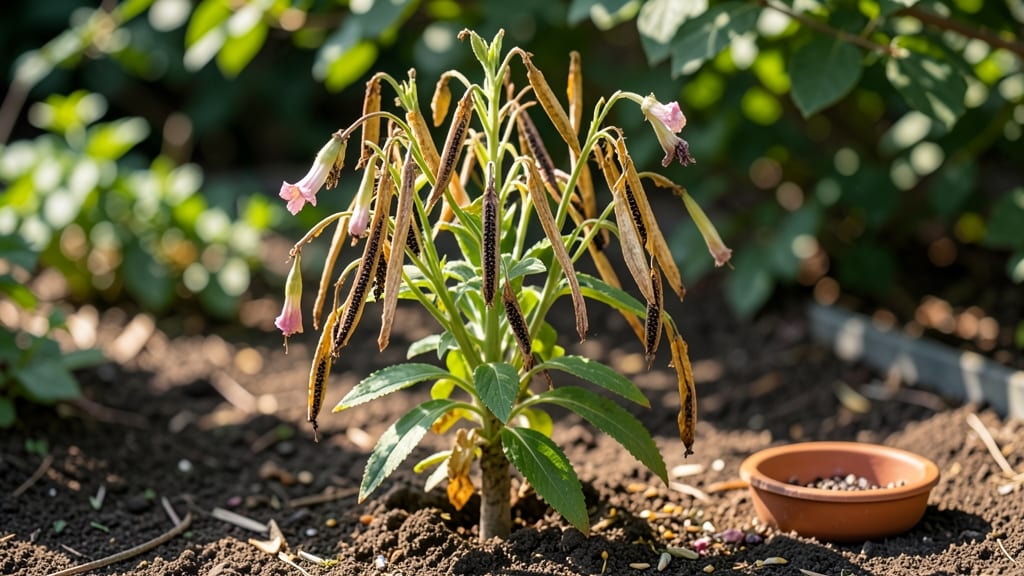
Harvesting snapdragon seed pods without twisting them open saves seeds and keeps plants healthy. 🌿 I learned the hard way that yanking pods destroys seeds—now I use a simple, gentle method that preserves viability while creating stunning dried decorations.
The key timing is when pods turn brown and papery but haven’t split open. Clip them with clean scissors, leaving stems intact, then bundle them upside-down in a paper bag for 2-3 weeks. This mimics nature’s drying process while preventing seed loss.
Once fully dry, you’ll have viable seeds ready for replanting and textured pods perfect for crafts. The dried flowers add rustic charm to wreaths or centerpieces, while saved seeds let you grow next year’s snapdragons for free.
This method works for all snapdragon varieties and doubles as a zero-waste gardening technique. No special tools needed—just patience and a little creativity!
📚 In This Guide
- What you need
- Instructions
- Tips and common mistakes
- Wrapping up and next steps
What you need
- ● Mature snapdragon plants (with fully dried seed pods—typically Antirrhinum majus varieties). Look for pods that are brown, papery, and split open at the top.
- ● Sharp pruning shears or scissors (to snip pods cleanly without damaging the plant).
- ● Paper bags or brown lunch bags (1-2 per harvest session, to collect pods and prevent seed loss).
- ● Newspaper or cardboard (to lay out pods for drying or sorting).
- ● Small paintbrush or soft-bristle brush (for gently extracting seeds from stubborn pods).
- ● Fine-mesh sieve or strainer (to sift seeds from debris or chaff).
- ● Air-tight storage containers (small jars or envelopes with silica gel packets to preserve seed viability).
- ● Gloves (to protect hands from prickly pods or plant sap).
- ● Magnifying glass (for inspecting pods or seeds up close).
- ● Labeling tags and markers (to track seed varieties and harvest dates).
- ● Desiccant packs (additional silica gel for long-term seed storage).
- ● Seed catalog or notebook (to record growing conditions for future reference).
How to harvest snapdragon seeds without damaging the pods
Snapdragons are generous seed producers—here’s how to collect viable seeds without twisting or breaking those delicate pods.
🌱 Step 1: Wait for Pods to Fully Mature
Harvest snapdragon seeds only when the pods turn a deep, papery brown and begin splitting open naturally. This usually happens 4-6 weeks after flowering, depending on your climate. If you pick them too early, the seeds won’t be fully developed, and if you wait too long, they’ll scatter on their own.
Gently squeeze a pod between your fingers—if it crumbles easily, it’s ready. Avoid harvesting in damp conditions, as moisture can reduce seed viability. I like to work on dry mornings when the pods are crisp and brittle, making them easier to handle without breaking.
💧 Step 2: Collect Pods and Dry Them Further
Use clean, sharp scissors to snip the pods from the stems, leaving about ½ inch of stem attached. This extra length helps prevent seeds from spilling out during handling. Place the pods in a single layer on a paper towel-lined tray in a warm, dry, and well-ventilated spot.
Let them dry for 3-5 more days until they feel completely hollow when tapped. If you rush this step, seeds may still be immature or prone to mold. I keep mine in a sunny windowsill but out of direct sunlight to avoid overheating—just enough light to dry them evenly.
✂️ Step 3: Extract Seeds Without Twisting the Pods
Once fully dry, carefully slit the pod lengthwise with a small knife or your fingernail. Avoid twisting—this can crush the seeds inside. Hold the pod steady and make a clean, shallow cut along one side, then gently peel back the two halves to expose the seeds.
Use a soft paintbrush to coax out any seeds stuck to the pod walls. Tap the pod lightly over a clean sheet of paper to catch any loose seeds. I’ve found that a fine-toothed comb works well for stubborn seeds—just run it gently through the pod to release them without damaging the structure.
🌿 Step 4: Clean and Store Seeds Properly
Spread the collected seeds on the paper to air-dry for 24 hours in a dry, shaded area. This final drying step ensures they won’t mold in storage. Once completely dry, transfer the seeds to a paper envelope or small glass jar, labeling it with the snapdragon variety and the harvest date.
Store the seeds in a cool, dark place—like a seed vault or even the fridge—where they’ll remain viable for 2-3 years. I keep mine in a labeled jar with a silica gel packet to absorb any lingering moisture. Snapdragons are resilient, but proper storage extends their shelf life significantly.
⏰ Step 5: Test Seed Viability Before Next Season
Before planting, do a quick viability test by placing 10 seeds between two damp paper towels in a sealed plastic bag. Keep them in a warm spot (70-75°F) for 7-10 days. If 80% or more sprout, your seeds are ready for planting. If fewer sprout, store the remaining seeds for another year—they may just need more time.
This test gives you confidence that your hard work paid off. I always set aside a few seeds for this check—it’s a small effort that saves disappointment later. Snapdragons are forgiving, but knowing your seeds are strong makes all the difference in a successful spring planting.
Tips & tricks for perfect snapdragon seed pod harvesting
These little details make all the difference between viable seeds and wasted effort.
Timing is Everything: The 4-6 week window after flowering is your target for Step 1, but don't rely solely on time—watch for that papery brown color and natural splitting. In humid climates, pods may mature faster, so check daily once flowers fade. I've learned the hard way that waiting until pods are fully dry but not yet splitting ensures maximum seed viability. The crumbly test is foolproof: if it feels like a dry corn husk, it's ready.
Drying Strategy: That 3-5 day drying period in Step 2 is critical for preventing mold, but don't let pods sit in direct sunlight—they'll overheat and become brittle. I use a mesh screen over a baking rack in my kitchen to create airflow while keeping them out of harsh light. A gentle tap should sound hollow, not papery-thin. If they feel damp at all, extend the drying time by another day.
Seed Extraction Technique: When you reach Step 3, resist the urge to twist pods—this crushes seeds and makes them unusable. Instead, make that lengthwise slit with a single, steady motion using a small knife or even a sterilized nail file. For stubborn seeds, I've found that lightly tapping the pod over a sheet of paper while gently rolling it between fingers releases them without damage. A fine-toothed comb works wonders for seeds clinging to the pod walls.
Storage Wisdom: The 24-hour final drying in Step 4 is your last chance to prevent mold before storage. I've had success using small glass jars with silica gel packets to absorb any remaining moisture. Labeling with both the variety and harvest date is essential—snapdragon seeds from different varieties can cross-pollinate, and you'll want to track which ones performed best. For long-term storage, I keep my jars in the refrigerator's crisper drawer where temperatures stay consistently cool.
Pro Tips for Dried Snapdragon Seed Pods
- These little details make all the difference between viable seeds and wasted effort.
- Timing is Everything: The 4-6 week window after flowering is your target for Step 1, but don't rely solely on time—wa...
- Drying Strategy: That 3-5 day drying period in Step 2 is critical for preventing mold, but don't let pods sit in dire...
Frequently asked questions
about dried snapdragon seed pods—because even the best gardeners need a little guidance! Here are answers to the most common questions to help you harvest seeds like a pro.When are snapdragon seed pods fully dried and ready for harvest?
Snapdragon seed pods are ready when they turn light brown and begin to split open at the seams. This usually happens 4–6 weeks after flowering, depending on your climate. If pods are still green or firm, give them more time—they’re not ready yet!
What if my seed pods mold or rot before drying?
Mold or rot is often caused by high humidity or overripe pods. To prevent this, harvest pods before they split open and dry them in a well-ventilated, dry area (like a paper bag with holes). If mold appears, discard the pods—seeds won’t survive.
Can I use dried snapdragon seed pods for anything other than seeds?
Beyond seeds, dried pods make whimsical decorations (like garlands or potpourri) or even natural confetti for spring events. Just ensure they’re completely dry to avoid pests. Pro tip: Pair them with eucalyptus for a fragrant centerpiece!
How long do dried snapdragon seeds stay viable?
Under ideal storage conditions (cool, dark, and dry), snapdragon seeds remain viable for 2–4 years. Store them in a paper envelope or airtight container with a silica gel packet to absorb moisture. Label them with the harvest date!
What’s the best way to store dried snapdragon seed pods long-term?
For whole pods, place them in a breathable fabric bag (like burlap) and store in a cool, dry place (e.g., a closet or basement). For seeds only, use a sealed container with a moisture absorber. Avoid plastic bags—they trap humidity and encourage mold.
Bonus Tip:
If you’re short on time, freeze-dried pods work too! Lay them on a tray, freeze for 24 hours, then transfer to an airtight container. This preserves viability for years—perfect for gardeners who love shortcuts!
Wrapping up and next steps
Dried snapdragon seed pods offer a simple, twist-free way to harvest viable seeds for gardening or crafting—no experience needed! Whether you're preserving heirloom varieties or adding a whimsical touch to your lawn, these pods are a game-changer for efficiency and sustainability. 🌱
Ready to try? Start small—grow a few snapdragons this season, experiment with drying methods, and watch your seed-saving skills flourish. Happy harvesting! 🌿✨