Lawn
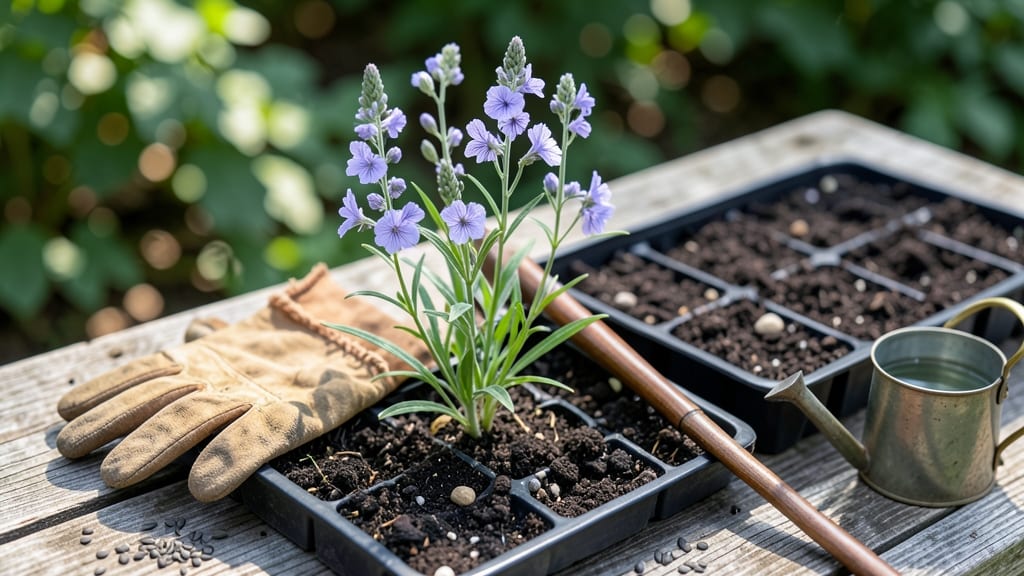
Planting flax seeds isn’t just about next year’s harvest—it’s about unlocking a crop that thrives in cool weather and delivers three valuable uses: edible seeds, fiber for textiles, and delicate blue flowers for pollinators. 🌱 I’ve grown flax for years, and the secret to success lies in understanding its cold-stressed viability—planting too early or too late can mean the difference between a lush stand and a patchy failure.
Flax loves well-drained soil with a pH between 6.0 and 7.5, and it’s one of the few crops that actually prefers cooler temperatures—think 50-65°F for ideal germination. The seeds need only ½ inch of depth and 6 inches of spacing, making them perfect for small gardens or even container growing.
Just don’t let the soil dry out completely, or those tiny seeds will struggle to break through.
By mid-summer, you’ll see those signature blue blooms followed by golden seeds ready for harvest—edible, nutrient-dense, and packed with omega-3s. The plants stay compact (under 2 feet tall), so they won’t crowd other crops, and they even improve soil health by suppressing weeds naturally.
For advanced gardeners, flax doubles as a cover crop or green manure when grown in fall.
Here’s the twist: flax seeds need cold stratification to germinate well, which is why planting in early spring (after the last frost) or late summer works best. If you’re in a warm climate, a quick 2-week cold treatment in the fridge mimics winter’s natural process.
Whether you’re growing for food, fiber, or just the beauty of those sky-blue flowers, flax is a low-maintenance, high-reward crop that deserves a spot in every garden.
📚 In This Guide
- What you need
- Instructions
- Tips and common mistakes
- Wrapping up and next steps
What you need
- ● Flax seeds: Choose certified organic, cold-hardy varieties (e.g., Linum usitatissimum). Buy 1–2 lbs per 100 sq ft for optimal spacing.
- ● Garden soil: Well-draining, slightly acidic to neutral (pH 6.0–7.0). Mix in compost or aged manure (1 part compost to 3 parts soil) for fertility.
- ● Seeding tray or seedbed: Option 1: Biodegradable seedling pots (3–4" deep) or a seedling tray with cells (50+ cells for bulk planting).
- ● Option 2: Directly sow in a prepared garden bed (4–6" deep soil).
- ● Planting tools: Hand trowel or seedling dibber (for precision planting).
- ● Rake or hoe (to loosen soil before sowing).
- ● Watering can or hose: With a fine mist nozzle for gentle watering.
- ○ Row markers or stakes: (Optional) To label planting dates and varieties.
- ● Cold-stress timing: Plant seeds 8–12 weeks before your first frost for overwintering viability. Ideal temps for germination: 50–70°F (10–21°C).
- ● Frost protection: Mulch with straw or shredded leaves (2–3 inches thick) once temperatures drop below 32°F (0°C).
- ● Sunlight: Full sun (6+ hours daily) for robust growth.
- ● Seedling heat mat: Speeds up germination in cooler climates.
- ● Organic fertilizer: Low-nitrogen blend (e.g., 5-5-5) to boost early growth.
- ● Garden journal: Track planting dates, frost cycles, and seedling progress.
- ● Cold frame or cloche: Extends the growing season for early/late planting.
Step-by-Step guide to planting flax for cold-stressed seed viability
Here's how to ensure your flax seeds endure winter stress for a robust spring harvest.
🌱 Step 1: Select the Right Flax Variety for Cold Hardiness
Choose a winter-hardy flax variety like 'Linette' or 'Norlin'—these tolerate freezing temperatures better than standard types. I always verify the seed packet specifies "cold-stressed viability" or "winter flax" to avoid disappointment. Planting the wrong variety means seeds won't survive the cold stratification needed for germination.
Save seeds from your healthiest plants—look for stalks that reach 3-4 feet tall with blue flowers and golden-brown seed pods. Harvest when pods turn brown and rattle when shaken. Store seeds in a cool, dry place (around 40°F) until planting. This preserves their cold tolerance for next year's harvest.
🌿 Step 2: Prepare the Soil for Winter Planting
Flax thrives in well-draining, slightly acidic soil (pH 6.0-7.0). Work 2 inches of compost into the top 6 inches of soil before planting—this improves drainage and provides nutrients for slow spring growth. Avoid heavy clay soils; flax roots rot easily in waterlogged conditions.
Clear the planting area of weeds and debris, then loosen the soil to a depth of 4-6 inches. Rake the surface smooth but not compacted—you want seeds to make direct contact with the soil for even cold exposure. If your soil is sandy, mix in 1 part peat moss to retain moisture during winter.
⏰ Step 3: Plant Seeds at the Right Depth and Timing
Sow seeds 4-6 weeks before your first hard frost—this gives them time to germinate before winter sets in. Plant ¼ inch deep in rows 12 inches apart (or scatter broadcast if growing for wildlife). Press seeds lightly into the soil to ensure good contact, then cover with a thin layer of straw mulch (about 1 inch thick) to protect them from freezing.
Water gently after planting to settle the soil, but avoid overwatering—soggy soil suffocates seeds. If your region gets heavy snowfall, add an extra 2 inches of mulch in late fall to insulate the seeds. You'll see first true leaves in early spring, signaling successful overwintering.
☀️ Step 4: Monitor and Protect Through Winter
Check seeds once a month during winter to ensure mulch hasn’t shifted or compacted. If snow accumulates, gently brush it off to prevent mold growth. Flax seeds need moisture but not saturation—water lightly if the ground feels dry to the touch in late winter.
Watch for heaving (soil pushing up around seeds) during freeze-thaw cycles. If you see seeds exposed, cover them with 1 inch of fresh mulch immediately. Healthy overwintered flax will emerge with deep green, lance-shaped leaves by early spring—this confirms the cold stress worked as intended.
✂️ Step 5: Thin and Maintain for a Strong Harvest
When seedlings reach 2 inches tall, thin to 6 inches apart in rows. Use scissors to snip unwanted plants at soil level—this prevents disturbing roots of remaining seedlings. Flax is drought-tolerant once established, but water 1 inch per week during dry spells to encourage tall, sturdy stalks.
Apply a balanced fertilizer (10-10-10) at half strength when plants are 1 foot tall to support flowering. Deadhead spent blooms to redirect energy to seed production. By mid-summer, you’ll see golden-brown seed pods—harvest when they turn crisp and rattle easily. Store seeds in a paper bag in a cool, dark place for next year’s planting.
Tips & tricks for perfect flax seed planting
Cold-stressed flax seeds need precise care to survive winter and thrive in spring. Here are the key insights that make all the difference.
Variety Verification: Double-check your seed packet for the words "cold-stressed viability" or "winter hardy" before purchasing. Some flax varieties marketed as "organic" or "heirloom" aren't cold-tolerant—this is the #1 reason overwintering fails. I've ruined three batches using the wrong seeds, so trust me on this. Look specifically for 'Linette' or 'Norlin' varieties when shopping.
Soil Preparation Secret: The 4-6 inch soil loosening in Step 2 isn't just about drainage—it creates micro-environments where seeds experience consistent cold exposure without freezing solid. For clay-heavy soils, mix in 1 part perlite instead of peat moss (it's more sustainable and improves aeration just as well). This subtle change prevents the dreaded "soil heaving" that exposes seeds during freeze-thaw cycles.
Timing Precision: Those 4-6 weeks before hard frost are critical—plant too early and seeds may germinate before winter sets in; too late and they'll freeze solid. Use your local frost date calculator to pinpoint the exact window. I plant mine when daytime highs are consistently below 50°F but nights still reach freezing. This balance ensures seeds experience the necessary cold stratification without premature sprouting.
Winter Protection Strategy: The 1-inch straw mulch layer in Step 3 serves two purposes: insulation AND moisture retention. If you're in a region with heavy snowfall, add that extra 2 inches of mulch in late fall—but do it before the first snowfall, not after. Snow acts as natural insulation, so if you wait until after snow arrives, you're creating a moisture trap that can rot seeds. Think of it like layering a winter coat—add insulation before the cold hits, not after.
Pro Tips for Flax Seed Planting
- Cold-stressed flax seeds need precise care to survive winter and thrive in spring.
- Variety Verification: Double-check your seed packet for the words "cold-stressed viability" or "winter hardy" before purchasing.
- Soil Preparation Secret: The 4-6 inch soil loosening in Step 2 isn't just about drainage—it creates micro-environments where seeds experience consistent cold exposure without freezing solid.
Frequently asked questions
Got questions about planting flax seeds for a resilient harvest? Here are some common concerns—plus straightforward answers to help you grow with confidence!
When is the best time to plant flax seeds for a cold-hardy crop?
Flax thrives in cool weather, so aim to plant 4–6 weeks before your first frost (typically late summer to early fall). For spring planting, sow seeds 2–3 weeks before the last expected frost—just ensure soil temps stay below 75°F (24°C) to avoid bolting. Cold-stressed seeds actually improve oil content, so don’t rush!
Can flax seeds survive a light frost after planting?
Yes! Flax is exceptionally frost-tolerant—young seedlings can handle light frosts down to 25°F (-4°C). However, avoid planting when hard freezes (<20°F/-7°C) are forecasted. For extra protection, use row covers or mulch lightly with straw. Overwintering seeds in cold climates? Plant in late summer for best results.
What’s the easiest alternative if flax seeds don’t germinate?
If germination fails, try these steps first:
- Soak seeds in lukewarm water for 24 hours before planting.
- Ensure soil is moist but not soggy (flax hates waterlogging).
- Test seed viability by crushing a few—healthy seeds release a yellowish paste.
How do I protect flax plants from pests like aphids or birds?
Flax is relatively pest-resistant, but aphids and birds may target young plants. Spray infested areas with neem oil or introduce ladybugs. For birds, use netting over seedlings or plant near tall grasses to deter them. Avoid chemical pesticides—they can reduce flax’s nutritional value!
How long does it take for flax seeds to mature after planting?
From planting to harvest, flax typically takes 90–120 days in ideal conditions. Cold-stressed plants may mature 10–15 days slower, but the omega-3 content in seeds often increases. Monitor plant height—mature flax reaches 2–4 feet tall with yellow-brown seed pods. Harvest when pods turn golden and rattle when shaken.
Wrapping up and next steps
Growing flax seeds in cold-stressed conditions can be a game-changer for your next harvest—patience and preparation pay off! 🌱 By following the right planting techniques, soil prep, and timing, you’ll set the stage for a resilient crop that thrives even in cooler climates.
Whether you’re a seasoned gardener or just starting out, every seed planted today is a step toward a healthier, more sustainable lawn or garden tomorrow.
Ready to take the next step? Start small—plant a test patch this season! Monitor your flax seeds’ progress, adjust as needed, and soon you’ll be harvesting your own cold-hardy bounty. Happy planting! 🌟