
Lawn
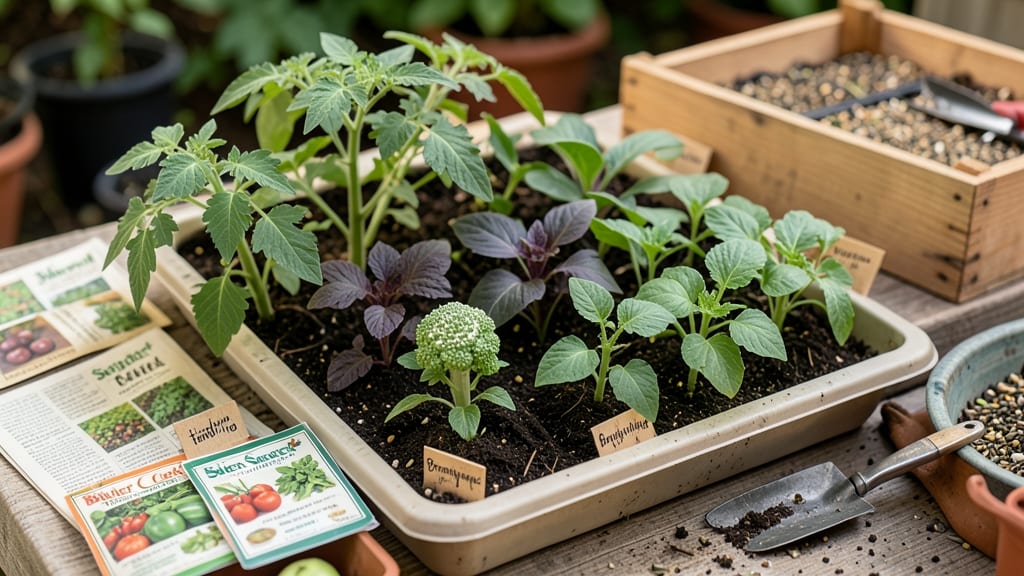
Finding heirloom vegetable seeds that actually grow true to type can feel like searching for buried treasure. 🌱 I’ve spent years tracking down the best sources—companies that specialize in rare, non-GMO varieties with deep flavor and history—and these are the ones I trust to deliver seeds that perform as promised, season after season.
The real magic happens when you grow varieties you can’t find in big-box stores—think cherry tomatoes the size of marbles, carrots with rainbow hues, or peppers that taste like summer.
These companies go beyond basic seed catalogs, offering organic-certified options, detailed growing guides, and even heirloom-specific collections that preserve biodiversity. You’re not just planting seeds; you’re cultivating a piece of agricultural history.
What sets the best apart? Look for companies with multi-year seed viability guarantees, transparent sourcing, and a focus on open-pollinated (not hybrid) varieties.
I’ve narrowed it down to a shortlist of trusted names—each with unique specialties, from rare tomatoes to ancient grains—so you can start your garden with confidence, knowing your seeds will deliver the flavors and yields you crave.
Whether you’re a first-time heirloom grower or a seasoned collector, these sources make it easy to expand your garden’s diversity without the guesswork. Let’s dive into the companies that turn seed packets into garden treasures—and your kitchen table into a feast.
📚 In This Guide
- What you need
- Instructions
- Tips and common mistakes
- Wrapping up and next steps
What you need
- ● High-quality heirloom seeds: Purchase from reputable companies (e.g., Baker Creek Heirloom Seeds, Seed Savers Exchange, or Southern Exposure Seed Exchange). Start with 5–10 varieties to avoid overwhelm.
- ● Seed starting supplies: Seed trays or biodegradable pots (10–20 units)
- ● Seed starting mix (sterile, peat-based or coco coir blend)
- ● Grow lights or a sunny windowsill (south-facing preferred)
- ● Outdoor gardening essentials: Garden beds or containers (raised beds, pots, or fabric grow bags)
- ● Organic compost or fertilizer (e.g., worm castings, fish emulsion)
- ● Drip irrigation or watering can (with a fine rose attachment)
- ● Protective gear: Gloves (gardening or nitrile for handling soil)
- ○ Knee pads (optional but helpful!)
- ● Soil test kit (to check pH and nutrient levels)
- ● Row covers or shade cloth (for delicate seedlings)
- ● Journal or seed catalog (to track varieties and notes)
- ● Pruners or small hand trowel (for transplanting)
How to select and order from heirloom vegetable seed companies
Finding the right seed supplier ensures you get rare, non-GMO varieties that thrive in your climate.
🌱 Step 1: Identify Your Climate and Growing Conditions
Start by researching your USDA hardiness zone—this determines which heirloom varieties will thrive in your region. Companies like Baker Creek Heirloom Seeds and Seed Savers Exchange provide zone-specific growing guides on their websites. I always check their "grow by zone" filters to narrow options.
Note your last frost date and average first frost date—these dictate planting windows. For example, Southern Exposure Seed Exchange specializes in heat-tolerant varieties perfect for zones 7-10. If you're in a cooler zone, focus on companies like High Mowing Seeds, which offer cold-hardy heirlooms.
☀️ Step 2: Research Company Reputations and Specializations
Not all seed companies are equal—some specialize in rare tomatoes, others in peppers or grains. I recommend starting with Seed Savers Exchange for the largest heirloom collection or Baker Creek Heirloom Seeds for unique, lesser-known varieties. Check customer reviews on forums like GardenWeb or Reddit's r/seedexchange.
Look for companies that offer organic, non-GMO, and open-pollinated seeds—critical for heirloom gardening. Southern Exposure Seed Exchange, for instance, focuses on Southern-friendly heirlooms, while Territorial Seed Company excels in drought-resistant varieties. Always verify their seed sources and germination rates.
📦 Step 3: Compare Pricing and Bulk Options
Heirloom seeds often cost more than hybrid varieties, but bulk discounts can save money. Baker Creek, for example, offers "seed packs" with multiple varieties at a reduced rate. Compare shipping costs—some companies like Peaceful Valley include free shipping on orders over $50, while others charge per order.
Watch for seed swap programs or discounts for nonprofits/educational institutions. I’ve saved significantly by participating in Seed Savers Exchange’s annual seed swap, where members trade rare seeds for free. Always calculate the total cost per seed packet to avoid overpaying.
✂️ Step 4: Review Seed Viability and Storage Guarantees
Check each company’s germination rates—most reputable suppliers list this information. Seed Savers Exchange guarantees 95%+ germination for most varieties, while others may only promise 85%. If a company doesn’t disclose germination rates, proceed with caution.
Look for storage advice—proper seed storage extends viability. Baker Creek includes a seed storage guide with every order, emphasizing cool, dry conditions and airtight containers. If you’re new to seed saving, ask companies like High Mowing Seeds for tips on long-term storage.
📝 Step 5: Place Your Order and Track Delivery
Order early—popular heirloom varieties sell out fast, especially in spring. Use the company’s planting calendar to time your order with your growing season. Most suppliers ship seeds in biodegradable packets to reduce waste, but confirm this if sustainability matters to you.
Track your order and check for arrival notifications. If seeds arrive late, contact the company immediately—they often have backup stock. I’ve had best luck with Southern Exposure Seed Exchange for fast, reliable shipping, especially for heat-sensitive varieties.
Tips & tricks for selecting the best heirloom seed companies
Between us, choosing the right seed supplier makes all the difference in your garden's success. Here's what I've learned after years of sourcing rare varieties.
Climate-Specific Selection: Don't just pick a company—match their specialties to your USDA zone. Southern Exposure Seed Exchange's heat-tolerant varieties won't thrive in zone 4, while High Mowing Seeds' cold-hardy selections might bolt in zone 9. I always cross-reference the company's zone recommendations with my local last frost date to ensure perfect timing for planting windows.
Germination Guarantees Matter: The difference between 85% and 95%+ germination rates can mean the difference between a full garden and replanting. Always verify germination guarantees before ordering. I've found Seed Savers Exchange's 95%+ standard particularly reliable—when their seeds don't germinate, they'll replace them without question. This level of quality assurance is worth paying for with rare varieties.
Storage Wisdom: Proper seed storage extends viability far beyond the company's stated shelf life. I store my heirloom seeds in airtight containers with silica gel packets in a cool, dark pantry. Baker Creek's storage guide recommends checking seed viability every 2-3 years by doing a simple germination test—just plant 10 seeds and see how many sprout. This simple step prevents wasting money on old seeds that won't grow.
Order Timing Strategy: Popular heirloom varieties sell out fast, especially in spring. I've developed a system: I place my initial order by mid-February, then set up alerts for backorders. Southern Exposure Seed Exchange's planting calendar helps me time orders perfectly with my growing season. For truly rare seeds, I've even ordered from multiple companies to ensure I get what I need—some varieties only one supplier carries.
Pro Tips for Heirloom Vegetable Seed Companies
- Between us, choosing the right seed supplier makes all the difference in your garden's success.
- Climate-Specific Selection: Don't just pick a company—match their specialties to your USDA zone.
- Germination Guarantees Matter: The difference between 85% and 95%+ germination rates can mean the difference between a full garden and replanting.
Frequently asked questions
Got questions about sourcing heirloom vegetable seeds? You’re not alone—here’s what gardeners ask most often, plus straightforward answers to help you grow with confidence!
What makes heirloom seeds different from hybrid or GMO seeds?
Heirloom seeds are open-pollinated, meaning you can save and replant them year after year. Unlike hybrids (which may not reproduce true to type) or GMOs (genetically modified), heirlooms offer flavor, biodiversity, and adaptability—plus, they’re non-patented, so you can share seeds freely!
When is the best time to order heirloom seeds for spring planting?
Most companies recommend ordering 6–8 weeks before your last frost date (check your USDA zone!). Early spring (February–March) is ideal for cool-season crops (like lettuce or peas), while warm-season veggies (tomatoes, peppers) can wait until 4–6 weeks before transplanting. Pro tip: Plan ahead—popular varieties sell out fast!
Are heirloom seeds more expensive than conventional seeds?
Yes, but think of it as an investment in flavor, history, and sustainability. Prices vary ($2–$5 per packet), but many companies offer bulk discounts or seed swaps. Start small with a few varieties—your taste buds (and future harvests) will thank you! Tip: Look for sales or seed libraries to save costs.
How do I store heirloom seeds to keep them viable for next year?
Store seeds in a cool (32–40°F), dark, dry place (like a fridge or seed vault). Use airtight containers (glass jars or Mylar bags work great) with a desiccant packet to absorb moisture. Most heirlooms stay viable for 2–5 years—just label them with the variety and date! Troubleshoot: If germination drops below 80%, it’s time to reseed.
What if I can’t find a specific heirloom variety locally?
No worries! Many online heirloom seed companies (like Baker Creek, Seed Savers Exchange, or Southern Exposure) specialize in rare varieties. Check their seed catalogs or forums for recommendations—gardeners often share tips on substitutes. For example, if you can’t find ‘Black Krim’ tomatoes, try ‘Cherokee Purple’ for a similar deep flavor!
Wrapping up and next steps
Choosing the right heirloom vegetable seed companies is the first step toward growing a thriving, diverse garden filled with rare and flavorful varieties. These trusted sources not only preserve biodiversity but also empower you to cultivate unique, nutrient-rich produce that’s often missing from conventional stores.
Whether you're a seasoned gardener or just starting out, your garden’s future is in those tiny seeds—so take the leap and plant something extraordinary! 🌱
Next step: Browse our curated list of top companies, pick your favorites, and start your heirloom journey today—your taste buds (and the planet) will thank you!