Lawn
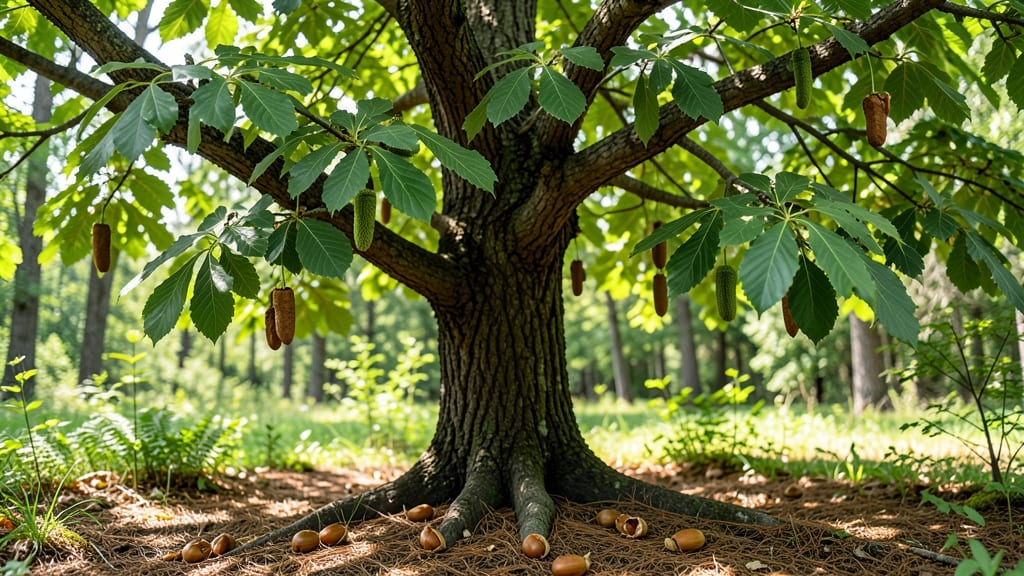
Twisting open hickory seed pods reveals nature’s built-in seed release system—and a zero-waste way to grow your own shade trees. 🌳 I’ve spent years collecting these pods from my backyard hickory, and the technique is simpler than you’d think: just twist, crack, and plant.
No fancy tools, no mess, just pure forest magic in your hands.
The key is timing: harvest pods when they’re brown and dry but before they split open naturally. A sharp twist separates the husk from the nut inside, leaving you with clean seeds ready for planting.
Store them in a cool, dry place until you’re ready to sow—no stratification needed for most hickory species, though shellbark hickories benefit from a 30-60 day cold treatment for faster germination.
Planting is where the real payoff comes in. Dig a hole twice as wide as the nut, place the seed 2 inches deep, and water gently. In 3-6 months, you’ll see sprouts pushing through the soil—slow but steady, just like the hickory’s natural growth.
These trees thrive in full sun and well-drained soil, and once established, they’ll give you 100-foot shade for generations.
Here’s the best part: every pod you collect means fewer wasted seeds and more trees for wildlife. Whether you’re restoring a forest, adding shade to your yard, or just curious about growing from scratch, this method works. Grab a basket and start twisting—your future hickory’s waiting.
📚 In This Guide
- What you need
- Instructions
- Tips and common mistakes
- Wrapping up and next steps
What you need
- ● Hickory trees: Mature trees (10+ years old) with hickory nuts in pods (identify by their 4-sided, woody husks).
- ● Gloves (heavy-duty): 1 pair (to protect hands from sharp husks and potential allergens).
- ● Pruning shears or loppers: 1 pair (for cutting pods from high branches; extendable handles recommended for safety).
- ● Large bucket or tarp: 1 (to collect fallen pods; 10+ gallon capacity for bulk harvests).
- ● Rubber mallet or hammer: 1 (for gently tapping pods to release seeds).
- ● Screen or mesh bag (¼-inch mesh): 1 (to sift out debris and separate seeds from husks).
- ● Paper bags or breathable containers: 2–3 (for storing clean seeds and dried pods).
- ● Ladder (6–8 ft): For reaching higher branches safely.
- ● Knee pads: For comfort during ground-level harvests.
- ● Drying rack or oven: To speed-dry pods/seeds (set oven to 170°F (77°C) for 1–2 hours).
- ● Notebook & pen: To track harvest dates and tree locations.
- ● Wildlife guidebook: To identify edible vs. inedible nuts (if foraging for food).
Step-by-Step guide to harvesting hickory seeds using the twist-release method
Here's how to extract seeds from hickory pods without waste or damage—nature's clever design makes this easier than you think.
🌱 Step 1: Identify and Collect Ripe Pods
Look for hickory pods that have turned a deep brown color and feel dry to the touch—this means the seeds inside are fully mature. I always check in late fall when pods begin dropping naturally from the tree. Avoid green or partially open pods, as the seeds inside won't be ready for harvest.
Collect pods by gently shaking branches or picking them up from the ground. Place them in a paper bag or mesh sack to allow airflow—this prevents mold from forming while you process them. If you're working with freshly fallen pods, process them within a week to ensure the best seed viability.
✂️ Step 2: Prepare Pods for Seed Extraction
Lay each pod on a clean, flat surface like a cutting board or table. Use a sharp knife to carefully slice the pod lengthwise—this reveals the two halves while keeping the seed chamber intact. I like to make a clean cut about 1/4 inch from the seam where the pod naturally splits open.
Don't force the pod open; instead, let the natural structure guide your cut. The goal is to expose the seed without damaging it. Once you've split the pod, you'll see the seed nestled inside, surrounded by a fibrous husk. This husk protects the seed and makes the twist-release method possible.
🪴 Step 3: Use the Twist-Release Technique
Hold the pod halves together with one hand, gripping the base where the seed sits. With your other hand, gently twist the top of the pod in a circular motion—this motion mimics how the pod would naturally open if left on the tree. You'll feel resistance at first, but as you twist, the fibrous husk will begin to loosen.
Continue twisting until you hear a slight pop or feel the seed release from the husk. The seed should slide out effortlessly, leaving behind the empty pod halves. This method ensures you don't damage the seed or create waste, as the pod halves can be composted or left in the garden to decompose naturally.
💧 Step 4: Clean and Store Seeds Properly
Once the seed is free from the pod, gently remove any remaining fibrous husk by rubbing it between your fingers or with a soft brush. Inspect the seed for any signs of damage or pests—healthy seeds should be plump and free of cracks or discoloration. Discard any seeds that don't meet these criteria.
Store the cleaned seeds in a cool, dry place, such as a sealed container or envelope with a desiccant packet to absorb moisture. Label the container with the date and variety of hickory if known. Seeds can remain viable for up to a year if stored properly, though germination rates improve when planted fresh.
☀️ Step 5: Plant or Preserve for Future Use
If you're ready to plant, soak the seeds in warm water for 24 hours to soften the outer shell and speed up germination. After soaking, plant them 1-2 inches deep in well-draining soil and keep the area moist but not waterlogged. Germination can take 2-3 months, so patience is key.
For those who want to preserve the seeds for later use, you can dry them further by spreading them out on a screen or paper towel in a warm, dry place for a few days. Once completely dry, store them in an airtight container in the refrigerator to extend their shelf life. This method ensures you'll have seeds ready for planting in future seasons.
Tips & tricks for perfect hickory seed harvesting
Nature's twist-release method is simple once you know these key details that make all the difference.
Timing Secret: In Step 1, when pods are deep brown and dry to the touch, they're ready for harvest. If you collect them too early (green or partially open), the seeds inside won't be fully developed. I've learned this the hard way—waiting until late fall when pods naturally drop ensures maximum seed viability. Once collected, process them within a week to prevent mold growth from trapped moisture.
Precision Cutting Technique: For Step 2, that 1/4-inch cut from the natural seam is critical. Using a sharp knife and following the pod's natural lines prevents damaging the seed chamber. I like to make a test cut on one pod first to find your rhythm—this ensures consistent results across all pods. The goal is to expose the seed without tearing the fibrous husk that protects it during the twist-release.
Twist-Release Mastery: In Step 3, the twisting motion should feel like you're gently coaxing the pod apart—not forcing it. You'll know you're doing it right when you hear that slight pop and feel the seed release effortlessly. If you're struggling, try rotating the pod slightly as you twist to find the natural release point. This method preserves the seed's integrity while creating zero waste from the pod halves.
Storage Wisdom: After cleaning seeds in Step 4, proper storage is key to maintaining viability. I've found that adding a desiccant packet to your sealed container prevents moisture buildup that can shorten shelf life. For long-term storage beyond a year, consider vacuum-sealing the seeds—this extends their viability even further while keeping them protected from pests and temperature fluctuations.
Pro Tips for Hickory Seed Pods
- Nature's twist-release method is simple once you know these key details that make all the difference.
- Timing Secret: In Step 1, when pods are deep brown and dry to the touch, they're ready for harvest.
- Precision Cutting Technique: For Step 2, that 1/4-inch cut from the natural seam is critical.
Frequently asked questions
Got questions about harvesting hickory seed pods? You’re not alone! Here are some common queries—and quick answers—to help you master this zero-waste trick like a pro.
How do I know when hickory seed pods are ready to harvest?
Hickory seed pods are ready when they turn a light brown color and split open naturally (usually late summer to early fall). Tap a pod—if the nuts rattle inside, they’re ripe! Avoid harvesting if the pods are still green or tightly closed.
How long does it take for hickory pods to release seeds naturally?
Once mature, hickory pods typically release seeds within 1–4 weeks after splitting open, depending on weather. Wind, rain, or animals (like squirrels) often speed up the process. If pods linger on the tree, gently shake them to encourage release.
Can I harvest hickory pods from any tree, or do I need a specific type?
Most native hickory species (like shagbark or pignut hickory) produce edible pods, but avoid non-native or hybrid trees. Check local guidelines—some regions protect wild hickories. When in doubt, start with a small sample and research your tree’s ID!
What if my hickory pods won’t open on their own?
If pods stay closed, try these tricks:
- Sun-dry them: Leave pods in a warm, sunny spot (like a mesh bag) for 1–2 weeks.
- Freeze them: Place pods in a sealed bag in the freezer for 24 hours—thawing can crack them open.
- Gently tap: Use a hammer or rock to lightly tap the pod (don’t crush it!).
Warning: Avoid cutting pods open—this can damage the nuts inside.
Are there alternatives if I don’t have hickory trees nearby?
Yes! Try these zero-waste seed-harvesting hacks:
- Acorns (from oak trees)—soak and leach tannins first!
- Walnut hulls (from black walnut trees)—great for dye or mulch.
- Pine cones (for bird feeders or crafts).
Check local parks or forests—many public lands allow seed collecting with permits.
Wrapping up and next steps
Hickory seed pods offer a simple, eco-friendly way to harvest nuts without waste—just let nature do the work! Whether you're a gardener, forager, or sustainability enthusiast, this twist-release trick turns a seasonal chore into a rewarding, zero-waste practice. 🌿
Ready to give it a try? Start by gathering a few pods and experiment with the technique in your backyard. Who knows? You might just discover a new favorite way to connect with nature—one twist at a time.