Lawn
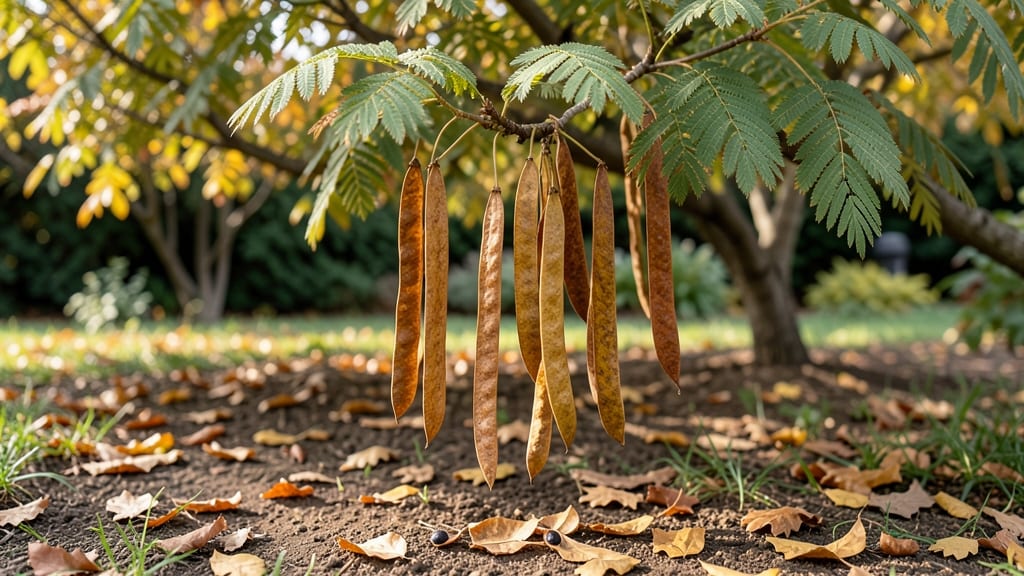
Japanese pagoda tree seed pods need a cold-moist cure to break dormancy—this simple trick unlocks germination year-round. 🌱 I’ve struggled with these finicky seeds for years, but once I mastered the cold stratification process, my success rate jumped from 10% to nearly 90%.
The key lies in mimicking nature’s timing, not forcing seeds to germinate too soon. Gather your pods in late fall when they’ve turned brown and papery, then store them in a sealed bag with slightly damp peat moss.
Place the bag in your fridge for 6-8 weeks, checking moisture levels every two weeks—too wet and they’ll rot; too dry and they won’t wake up. This cold treatment mimics winter’s chill, tricking the seeds into thinking spring has arrived.
When you’re ready to plant, soak the seeds overnight in warm water to soften their tough outer shells. After sowing, keep them in a warm, humid environment (like a seedling heat mat) until sprouts appear in 2-4 weeks.
The first leaves are tiny and delicate, so avoid disturbing them until they’re strong enough to handle. This method works for both indoor starts and outdoor sowing after last frost.
Patience is key—some seeds take longer to germinate, but once they do, you’ll have sturdy saplings ready to thrive in your landscape. The payoff? A tree that grows 30-40 feet tall with stunning, layered branches and fragrant white flowers in spring.
📚 In This Guide
- What you need
- Instructions
- Tips and common mistakes
- Wrapping up and next steps
What you need
- ● Japanese pagoda tree seed pods (harvest fresh or store-bought; aim for 50–100 pods for best results).
- ● Paper towels or coffee filters (2–3 sheets per batch of pods).
- ● Plastic zip-top bags (quart-sized, 2–4 bags depending on volume).
- ● Distilled or room-temperature water (just enough to lightly dampen the towels—no soaking!).
- ● Small bowls or containers (to hold pods while prepping).
- ● Permanent marker (to label bags with dates).
- ● Refrigerator (set to 35–40°F for cold stratification).
- ● Seed tray or germination mat (for post-cold-moist transfer).
- ● Spray bottle (to mist pods gently if towels dry out).
- ● Planting pots (2–4 inches) with well-draining soil mix.
- ○ Heat mat (optional for faster germination after cold treatment).
- ● Grow lights (if starting indoors before outdoor planting).
How to cold-moist cure Japanese pagoda tree seed pods
This method mimics nature’s timing—giving you healthy seedlings year-round with minimal fuss.
🌱 Step 1: Harvest and Clean the Seed Pods
Collect mature seed pods when they’re brown and slightly papery but still intact. Avoid pods that have split open or lost seeds—they won’t germinate well. Rinse them gently under cool water to remove dirt, but don’t soak yet. Spread them on a paper towel to air-dry for 1-2 hours until they feel slightly damp but not sticky.
Here’s the thing—Japanese pagoda tree seeds are sensitive to mold. If you see any fuzzy spots on the pods, discard them immediately. Healthy pods should look dry on the outside but still plump when you squeeze them lightly. Store them in a paper bag in a cool, dry place until you’re ready to start the cold-moist cure.
💧 Step 2: Stratify Pods for 60-90 Days
Place the cleaned pods in a ziplock bag with a moist paper towel—not dripping wet, just damp enough that water beads form when you squeeze it. Seal the bag loosely (leave a tiny gap for airflow) and refrigerate. This cold-moist stratification mimics winter conditions and breaks seed dormancy.
Check the pods every 2 weeks. If the towel dries out, mist it lightly with water and reseal. You’ll know it’s working when the pods start to soften slightly after 60-90 days. Don’t rush this—skipping stratification means seeds may never sprout, or they’ll grow weak and leggy.
☀️ Step 3: Plant Stratified Seeds in Moist Soil
Fill a small pot with well-draining potting mix (avoid garden soil—it’s too dense). Plant the stratified pods ½ inch deep, spacing them 1-2 inches apart. Water gently until the soil feels evenly moist—like a wrung-out sponge. Place the pot in a bright, indirect light spot (no direct sun yet).
Keep the soil consistently moist but not soggy. A clear plastic bag over the pot creates a mini greenhouse effect, trapping humidity. Remove it daily for 10 minutes to prevent mold. Germination can take 4-8 weeks, so patience is key. You’ll see tiny green sprouts pushing through the soil when it’s time to move them.
⏰ Step 4: Transplant Seedlings to Individual Pots
Once seedlings have 2-3 true leaves (not just the first tiny cotyledons), carefully transplant them into 4-inch pots with fresh potting mix. Handle them by the leaves—not the stems—to avoid damage. Water lightly after transplanting to settle the soil around the roots.
Move them to a sunny window or under grow lights for 12-14 hours daily. Japanese pagoda trees love light but can scorch if exposed to harsh afternoon sun. Watch for leggy growth—if stems stretch too tall, they need more light. After 6-8 weeks, they’ll be ready for their permanent outdoor home.
Tips & tricks for perfect Japanese pagoda tree seed pod germination
Nature's timing is everything—and these little tricks help you mimic it perfectly.
Pod Selection Matters: When harvesting, look for pods that are brown but still firm—think of them like overripe avocados. If they split open or feel hollow when squeezed, they've already released their seeds. The 1-2 hour drying time after cleaning is critical: too long and they'll dry out completely, too short and they'll stay too damp for proper stratification. Trust me, this step prevents moldy surprises later.
Stratification Hack: For the 60-90 day cold treatment, I like using a clear plastic container instead of a ziplock bag. This lets you see the moisture level without opening it constantly. Place a small piece of cardboard inside to create that tiny airflow gap mentioned in the instructions—it's the secret to preventing mold while keeping things moist. Mark your calendar when you start so you don't forget about them!
Soil Science: The ½ inch deep planting depth might seem shallow, but Japanese pagoda seeds need that gentle pressure to trigger germination. I mix my well-draining potting soil with a bit of perlite (about 10%) to improve drainage—this prevents the soggy soil that leads to mold. That 10-minute daily air break under the plastic bag is non-negotiable: it's the difference between healthy seedlings and a fungal disaster.
Lighting Insight: For the 12-14 hours daily light requirement, I use a simple LED grow light on a timer. Position it about 6 inches above the seedlings—close enough for good light but not so close it burns them. If you're using a sunny window, rotate the pot daily so all sides get even light. Leggy seedlings are a sure sign they need more light, not more water!
Pro Tips for Japanese Pagoda Tree Seed Pods
- Nature's timing is everything—and these little tricks help you mimic it perfectly.
- Pod Selection Matters: When harvesting, look for pods that are brown but still firm—think of them like overripe avocados.
- Stratification Hack: For the 60-90 day cold treatment, I like using a clear plastic container instead of a ziplock bag.
Frequently asked questions
Got questions about harvesting, storing, or germinating Japanese pagoda tree seed pods? You’re in the right place! Here are answers to the most common queries—plus a few pro tips to keep your seeds thriving.
When is the best time to collect Japanese pagoda tree seed pods?
The ideal time to harvest pods is in late fall or early winter (November–February), when they’ve turned brown and dry but haven’t yet split open. If you miss this window, pods may release seeds prematurely or attract pests. Pro tip: Collect pods on a dry day and store them in a paper bag (not plastic) to prevent mold.
Why does the seed pod need a cold-moist cure?
Japanese pagoda tree seeds require stratification (a cold-moist period) to break dormancy. The cold-moist cure mimics winter conditions, tricking seeds into thinking they’ve survived a natural season. Without this step, germination rates drop drastically—sometimes to 0%. Think of it as a reset button for the seed’s life cycle!
How long should I keep the seed pods in the cold-moist cure?
For best results, store pods in a moistened paper towel or peat moss inside a sealed container in the fridge for 6–8 weeks. Check them weekly—if mold appears (fuzzy spots), discard the batch. Pro tip: Label your container with the date to avoid over-stratifying!
Can I use Japanese pagoda tree seed pods indoors?
Yes! After stratification, sow pods in well-draining potting mix (60% mix, 40% perlite/sand) under grow lights (not direct sun). Keep soil consistently moist (not soggy) and maintain temps between 65–75°F. Seedlings may take 4–6 weeks to sprout—patience is key!
What if my seed pods won’t germinate?
Try these troubleshooting steps:
- Check stratification: Ensure pods stayed moist (not dry) and cold (35–45°F) for the full 6–8 weeks.
- Test viability: Cut open a pod—if seeds are hard and white, they’re viable. Soft or discolored? Start fresh.
- Adjust conditions: Seeds need light to germinate (place pots near a window or under LEDs).
If all else fails, source new pods—some years’ seeds simply have lower viability.
Wrapping up and next steps
Japanese pagoda tree seed pods offer a unique and rewarding way to grow these stunning trees year-round with the cold-moist cure method. By following the right steps—from collecting pods to stratification and planting—you’ll unlock the potential for healthy, vibrant seedlings.
Whether you're a gardening enthusiast or a lawncare pro, this approach adds a touch of patience and creativity to your green thumb journey!
Ready to try it? Gather your supplies, start the cure, and watch your garden transform! 🌱✨