
Propagation
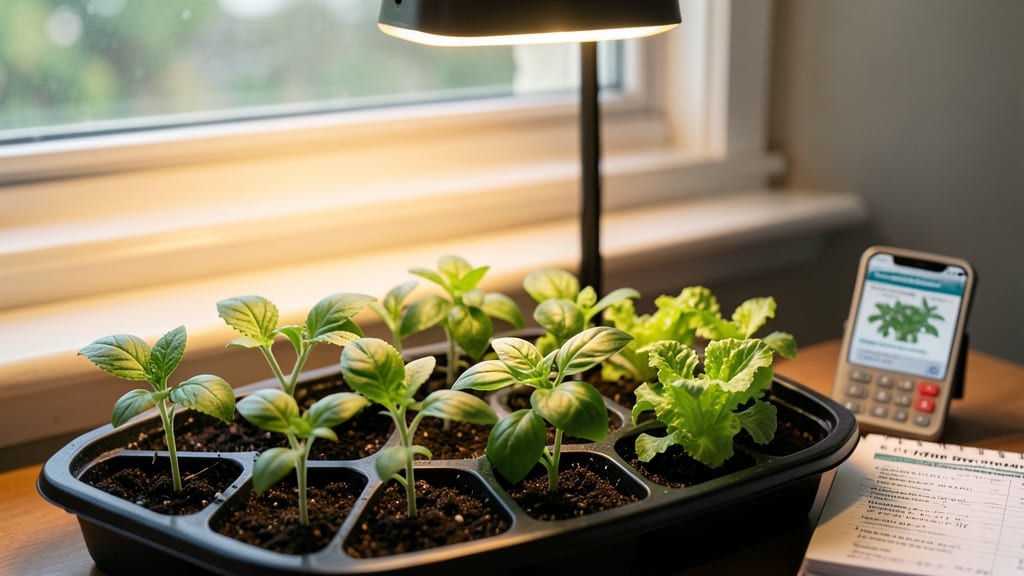
Precision planting starts with knowing exactly when to plant each seed. 🌱 The Johnny Seeds calculator takes the guesswork out of seed starting by matching your frost dates, indoor growing conditions, and plant maturity to the perfect planting window—so you don’t end up with leggy seedlings or bolting greens.
All you need is your last frost date, a sunny windowsill or grow light, and a few basic supplies like seed trays and potting mix. The calculator handles the rest, giving you exact dates for sowing indoors, transplanting outside, and even succession planting for continuous harvests.
No more rushing seedlings or waiting too long.
By following these timelines, you’ll see sturdy, healthy seedlings ready to hit the garden at the perfect moment—just as the soil warms and the risk of frost passes. The result? A garden that thrives from the first day of planting to the last harvest.
Works for any climate, from short-season zones to long growing areas, and adapts to your specific varieties. Let’s get those seeds in the ground at the right time!
📚 In This Guide
- What you need
- Instructions
- Tips and common mistakes
- Wrapping up and next steps
What you need
- ● Johnny Seeds Seed Starting Calculator (digital or printed)
- ● Seeds – Match your variety to the calculator’s recommendations (e.g., tomato, pepper, herb seeds). Pro tip: Check Johnny Seeds’ packaging for exact quantities.
- ● Seed-starting trays – 1–2 trays (72–200 cell count, depending on seed size). Example: 72-cell trays for tiny seeds (like lettuce); 200-cell for larger seeds (like beans).
- ● Seed-starting mix – 1–2 cubic feet (sterile, soilless mix with perlite/vermiculite). 💡 Avoid garden soil—it’s too dense!
- ● Grow lights or sunny windowsill – 12–16 hours/day of light (LED grow lights work best).
- ● Misting bottle or spray nozzle – For gentle watering (1–2 sprays/day until germination).
- ● Humidity dome or plastic wrap – Keeps moisture in (1 per tray).
- ○ Heat mat (optional but helpful) – 1 mat (70–85°F range for warm-season seeds like peppers).
- ● Labels & markers – 50+ labels (write seed type + date!).
- ● Tweezers – 1 pair (for precise seed placement).
- ● Fan (small oscillating) – 1 (for airflow post-germination).
- ● pH test kit – 1 (ideal range: 5.8–6.2).
- ● Fertilizer (balanced, water-soluble) – 1 bottle (e.g., 5-5-5 NPK). ⏳ Wait until seedlings have 2–3 true leaves!
- ● Transplanting pots (3–4 inch) – 12–24 pots (for hardening off).
How to use the johnny seeds seed starting calculator for perfect timing
Here’s how to turn seed-starting guesswork into foolproof scheduling—every variety, every season.
📅 Step 1: Input Your Last Frost Date
Start by entering your last average frost date—this is the backbone of your timing. Johnny Seeds’ calculator uses this to reverse-engineer when to start seeds indoors so they’re ready to transplant 2-4 weeks before that date. For example, if your last frost is May 15, the calculator will suggest starting tomatoes 6-8 weeks earlier, around March 20.
Pro tip: Check your local extension service’s frost data if you’re unsure. A miscalculation here means seedlings that outgrow their pots or bolt too early. I always double-check mine—trust me, it’s worth the 2 minutes.
🌱 Step 2: Select Your Seed Varieties
Choose the seeds you’re growing from the dropdown menu. The calculator accounts for days to maturity—the time from seed to harvest—so it knows when to plant each variety. For instance, fast growers like lettuce might only need 4-6 weeks indoors, while slow growers like broccoli need 8-10 weeks. This ensures you don’t rush seedlings or waste space on plants that mature too late.
Here’s the thing—some varieties are finicky. If you’re growing peppers, for example, the calculator will push you to start them 10-12 weeks early because they need warmth to germinate. Pay attention to those red flags in the results.
☀️ Step 3: Adjust for Your Growing Conditions
The calculator asks about your lighting setup (natural vs. grow lights) and indoor temperature. If you’re using a sunny windowsill, it may suggest starting seeds 1-2 weeks later than under grow lights, which provide consistent intensity. For example, basil seeds might germinate in 7-10 days under bright light but take 12-14 days in cooler, dimmer conditions.
Don’t skip this step. I’ve seen beginners ignore it and end up with leggy, weak seedlings because their light was too far away. The calculator’s adjustments make all the difference.
⏰ Step 4: Review and Confirm Your Planting Timeline
Once you’ve input everything, the calculator generates a customized planting schedule with start dates, transplant dates, and even harvest windows. It’ll show you which seeds to sow first (like onions) and which to hold off on (like beans, which can go straight in the ground). This prevents the classic mistake of starting everything at once and getting overwhelmed.
Print this out or save it as a reminder. I tape mine to my seed-starting station so I don’t forget. The calculator also includes a backup plan for late starts—critical if your power goes out or your grow lights fail.
📝 Step 5: Mark Your Calendar and Prep Supplies
With your timeline in hand, mark your calendar for seed-starting dates and transplant dates. The calculator even suggests when to harden off seedlings—usually 1-2 weeks before transplanting. This gradual adjustment to outdoor conditions is non-negotiable; I’ve seen seedlings crisp up in hours if skipped.
Now’s also the time to gather your supplies: seed-starting mix, trays, grow lights, and labels. The calculator’s timeline helps you avoid last-minute scrambles. For example, if you’re starting 4 varieties, you’ll know to buy 4 trays and enough grow lights to cover all of them.
Tips & tricks for perfect seed starting timing
These precision-focused tips will help you get the most out of Johnny Seeds' calculator—and avoid the common pitfalls that derail even the best-laid plans.
Frost Date Verification: That 2-minute double-check of your last frost date could save your seedlings. I can't tell you how many times I've seen gardeners use the wrong date—just a week off can mean seedlings that bolt too early or plants that aren't ready for transplant. Cross-reference with your local cooperative extension service for the most accurate data. The calculator's entire schedule depends on this foundational step.
Variety-Specific Adjustments: Pay special attention to those "finicky" varieties the calculator flags. Peppers and tomatoes, for example, need that extra 10-12 weeks because they're slow to germinate and grow. I've learned the hard way that rushing these can lead to stunted plants that never recover. When the calculator suggests starting peppers earlier, trust it—those extra weeks make all the difference in your harvest.
Lighting Reality Check: The calculator's adjustments for lighting conditions are brilliant, but they only work if you're honest about your setup. If you're using a sunny windowsill, don't pretend you have grow lights—adjust your schedule accordingly. I've seen basil seeds take twice as long to germinate in dim conditions (12-14 days vs. 7-10 days) because people ignored this crucial adjustment. Your seedlings will thank you for accurate information.
Pro Tips for Johnny Seeds Seed Starting Calculator
- These precision-focused tips will help you get the most out of Johnny Seeds' calculator—and avoid the common pitfalls that derail even the best-laid plans.
- Frost Date Verification: That 2-minute double-check of your last frost date could save your seedlings.
- Variety-Specific Adjustments: Pay special attention to those "finicky" varieties the calculator flags.
Frequently asked questions
about Johnny Seeds’ seed starting calculator—because even the greenest thumbs deserve clarity!How accurate is the Johnny Seeds calculator for my specific climate?
The calculator uses average last frost dates by ZIP code, but your local microclimate (e.g., urban heat islands or high elevations) may vary. For precision, check your local cooperative extension service or adjust dates by 1–2 weeks based on past experience.
Can I use this for seeds that need stratification or scarification?
Yes! The calculator accounts for pre-treatment steps like cold stratification (e.g., apples, peaches) or scarification (e.g., maple, hickory). Simply select your seed type—it’ll prompt you to input the required weeks/months for prep before calculating start dates.
What if I miss the recommended start window?
No panic! For fast growers (e.g., lettuce, radishes), you can direct-sow later. For slow growers (e.g., tomatoes, peppers), try extending grow lights or use a heat mat to speed up germination. Just note: smaller seedlings may struggle outdoors.
Does the calculator work for heirloom or rare seeds?
The database includes thousands of varieties, from common tomatoes to heirloom beans. If your seed isn’t listed, use the “custom” option and input days-to-germination/days-to-maturity from the seed packet.
Can I adjust for container size or seed spacing?
The calculator focuses on timing, but spacing depends on your setup. For tight spaces, opt for succession planting (e.g., sowing lettuce every 2 weeks). For large containers, thin seedlings or interplant with fast growers like radishes.
What if my seedlings look leggy or weak?
Leggy seedlings often mean too little light or overcrowding. Move trays to a south-facing window or add grow lights 6–12 inches above for 14–16 hours/day. Thin seedlings to 2–3 inches apart to boost airflow.
Wrapping up and next steps
Mastering your seed-starting schedule with Johnny Seeds’ calculator means fewer guesses and more thriving plants! 🌱 Whether you're a seasoned gardener or just beginning, this tool takes the guesswork out of timing—so you can focus on nurturing strong, healthy seedlings.
Now that you’re armed with the right knowledge, grab your seeds, set up your trays, and get planting—your future harvest (and happy plants!) will thank you.
Next step: Bookmark the calculator and start experimenting with different varieties—you’ll be a seed-starting pro in no time!