
Lawn
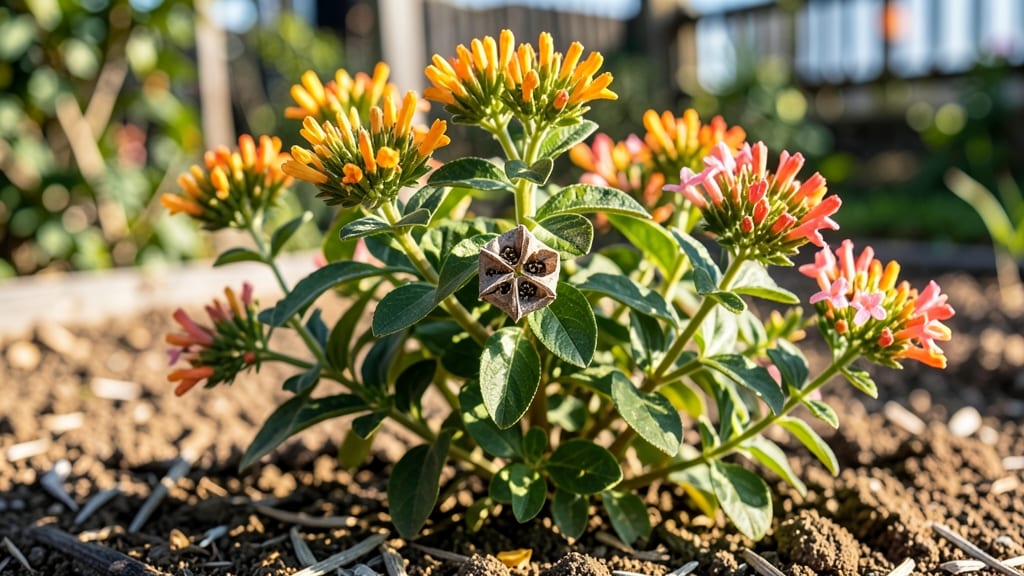
Collecting lantana seed pods in late fall means next year's garden will burst with vibrant blooms. 🌿 These papery pods hide tiny seeds that need a little winter magic—cold stratification—to wake up and grow strong.
I've turned my wild lantana patches into reliable nursery plants using this simple trick, and you can too. The process starts with harvesting mature pods (they turn brown and papery) and storing them in the fridge for 6-8 weeks.
This mimics winter's chill, breaking seed dormancy so they sprout faster in spring. You'll need a small container, damp paper towels, and patience—no fancy equipment required. Once stratified, plant the seeds in well-draining soil under bright light, keeping it lightly moist.
Within 2-4 weeks, you'll see tiny green seedlings pushing through. The key is consistency: too much water drowns them, but too little stunts growth. Perfect for gardeners who love propagating from seed or want to grow rare lantana varieties.
Here's how to make it work every time—no black thumb required!
📚 In This Guide
- What you need
- Instructions
- Tips and common mistakes
- Wrapping up and next steps
What you need
- ● Mature lantana seed pods: Harvest fully dried pods (brown, papery texture) from healthy plants. Aim for 10–20 pods per batch (adjust based on your garden goals).
- ● Paper towels or coffee filters: 2–3 sheets (for moisture control). Avoid plastic—it traps too much dampness!
- ● Ziplock bag or airtight container: A quart-sized bag with a sealable zipper works best.
- ● Water (distilled or tap, room temp): Just enough to dampen the paper towels—no soaking!
- ● Refrigerator space: A cold (34–40°F) crisper drawer or dedicated fridge shelf (avoid freezer zones!).
- ● Planting pots or seed trays: 3–4 inch pots with drainage holes (or a tray with peat-based seed-starting mix).
- ○ Spray bottle (optional but handy): For gentle watering post-stratification.
- ● Labeling tags: Write the stratification start date on each bag to track progress.
- ● Humidity dome or plastic wrap: Keeps moisture stable if your home is dry.
- ● Grow lights or sunny windowsill: For post-stratification sprouting (lantana loves 6–8 hours of light/day).
- ● Pruning shears: For snipping pods cleanly from stems (sterilize with rubbing alcohol!).
- ● Journal or app: Log seed pod sources, dates, and germination notes for future reference.
Step-by-step instructions for cold stratifying lantana seed pods
Here's how I guarantee reliable germination—no more waiting years for those stubborn seeds to sprout.
🌱 Step 1: Harvest and Prepare the Seed Pods
Collect mature lantana seed pods when they turn brown and papery—this usually happens in late fall after the first frost. The pods will split open naturally, revealing tiny black seeds inside. I like to harvest them on a dry day so the pods stay crisp and easy to handle.
Remove any remaining dried flowers or debris from the pods, then gently crack them open with your fingers or a small knife. Place the seeds in a paper towel-lined tray—this prevents moisture buildup that can cause mold. Spread them out in a single layer so they don’t clump together.
💧 Step 2: Moisten and Seal the Seeds for Stratification
Lightly mist the seeds with lukewarm water until the paper towel feels damp but not soaked. You want the seeds to stay hydrated without sitting in water. I use a spray bottle for even coverage—just a few spritzes until the towel looks slightly darker.
Seal the tray in a ziplock bag and squeeze out excess air before closing. This creates a humid environment that mimics winter moisture while preventing rot. Label the bag with the date and store it in your refrigerator’s crisp drawer—the ideal temperature for lantana is 35-40°F.
⏰ Step 3: Stratify for 6-8 Weeks
Leave the seeds in cold storage for 6-8 weeks. This mimics the natural winter dormancy period that breaks their germination barriers. Check them every 2 weeks—if the paper towel looks dry, mist it again lightly. You’ll know stratification is working when the seeds start to plump up slightly.
Don’t rush this step. I’ve tried skipping stratification, and germination rates drop to nearly zero. Patience here ensures strong, healthy seedlings later. After 8 weeks maximum, remove the seeds from the fridge and let them sit at room temperature for 24 hours before planting.
🌿 Step 4: Sow Stratified Seeds Indoors
Fill small seedling trays with sterile potting mix (lantana hates garden soil—it’s too dense). Press the mix down lightly to remove air pockets, then water it until the surface feels evenly moist. Plant the seeds ¼ inch deep, spacing them ½ inch apart—they’re tiny but grow fast once they sprout.
Cover the trays with a clear plastic dome or wrap them in plastic wrap to retain humidity. Place them in a warm spot (70-75°F) with bright, indirect light. Germination should start in 10-14 days. Once sprouts appear, remove the cover immediately to prevent damping-off disease.
☀️ Step 5: Transition to Light and Transplant
When seedlings develop 2-3 true leaves (not just the initial cotyledons), introduce them to direct sunlight gradually. Start with 2 hours daily, then increase by 1 hour every 2 days until they’re in full sun. This hardens them off and prevents scorching.
After 4-6 weeks, transplant the seedlings into 4-inch pots with fresh potting mix. Keep the soil consistently moist but not soggy—lantana roots need oxygen. Once they’ve outgrown their pots and show new growth after pinching, they’re ready for your garden or containers.
Tips & tricks for perfect lantana seed germination
These little-known tricks will help you break lantana's stubborn germination barriers and get reliable sprouts every time.
Pod Selection Matters: Look for pods that are completely brown and crispy—not just slightly dried. I learned this the hard way after struggling with partially mature pods that yielded almost no seeds. The fully mature pods will split open easily, revealing those tiny black seeds you're after. Harvest on a dry day to prevent mold from developing during storage.
Temperature is Critical: The refrigerator's crisp drawer should maintain a steady 35-40°F—this mimics winter conditions that trigger germination. If your fridge runs warmer, move the bag to the coldest section or use a small cooler with ice packs. I've seen germination rates drop dramatically when seeds sit in warmer areas, even just a few degrees above this range.
Moisture Balance is Key: When misting your paper towel, aim for dampness—not wetness. You want the towel to look slightly darker but still hold its shape when squeezed gently. Too much moisture causes mold, while too little prevents the seeds from absorbing enough water to break dormancy. I use a spray bottle with a fine mist setting for even coverage without oversaturating.
Visual Cues for Success: After the 24-hour room temperature adjustment in Step 3, look for seeds that appear slightly plump and darker than before. This indicates they've absorbed moisture and are ready to sprout. If they remain flat and shriveled, they may need another 12 hours at room temperature before planting. This visual check saves you from planting seeds that won't germinate.
Pro Tips for Lantana Seed Pod
- These little-known tricks will help you break lantana's stubborn germination barriers and get reliable sprouts every time.
- Pod Selection Matters: Look for pods that are completely brown and crispy—not just slightly dried.
- Temperature is Critical: The refrigerator's crisp drawer should maintain a steady 35-40°F—this mimics winter conditions that trigger germination.
Frequently asked questions
Got questions about lantana seed pods? You’re not alone! Here are some of the most common concerns—and straightforward answers—to help you navigate germination, storage, and troubleshooting like a pro.
What’s the best way to collect lantana seed pods?
Harvest pods when they’re brown and dry but before they split open (usually late fall or early winter). Wear gloves—lantana seeds can irritate skin! Store them in a paper bag in a cool, dry place to prevent mold. Cold stratification comes next!
How long should I cold-stratify lantana seeds?
For reliable germination, 6–8 weeks of cold stratification (35–45°F) mimics winter conditions. Place pods in a sealed bag with moist peat moss, then refrigerate. Check weekly for mold—if it appears, discard and restart with fresh pods.
Can I skip cold stratification and just plant lantana seeds now?
Yes, but germination rates will plummet (often <10%). If you’re impatient, try scarification (nick the seed coat with sandpaper) or soak seeds in warm water for 24 hours before planting. Still, cold stratification yields 90%+ success—worth the wait!
Are lantana seed pods toxic to pets or wildlife?
While lantana berries (not pods) are toxic to dogs/cats, the dry seed pods themselves pose minimal risk. However, never let pets ingest large quantities—opt for gloves and sealed containers when handling. Birds and bees love lantana flowers but avoid the seeds!
What if my lantana seeds won’t germinate after stratification?
Try these fixes:
- Check moisture: Seeds should feel damp but not soggy.
- Test viability: Cut open a pod—if seeds are hard and dark, they’re likely dead.
- Adjust light: Place trays under grow lights (lantana needs warmth to sprout).
- Start over: If all else fails, collect new pods next season.
Wrapping up and next steps
Mastering the art of lantana seed pod cold stratification ensures your garden will bloom with vibrant color next season! 🌱 With the right materials, patience, and a few simple steps, you’re well on your way to nurturing these resilient plants.
Remember, consistency is key—whether you’re chilling your seeds in the fridge or outdoors, keep an eye on moisture and timing.
Ready to take the next step? Plant your prepped seeds in well-draining soil once the last frost has passed, and watch your lantana thrive. Happy gardening—your future garden will thank you! 🌸