
Propagation
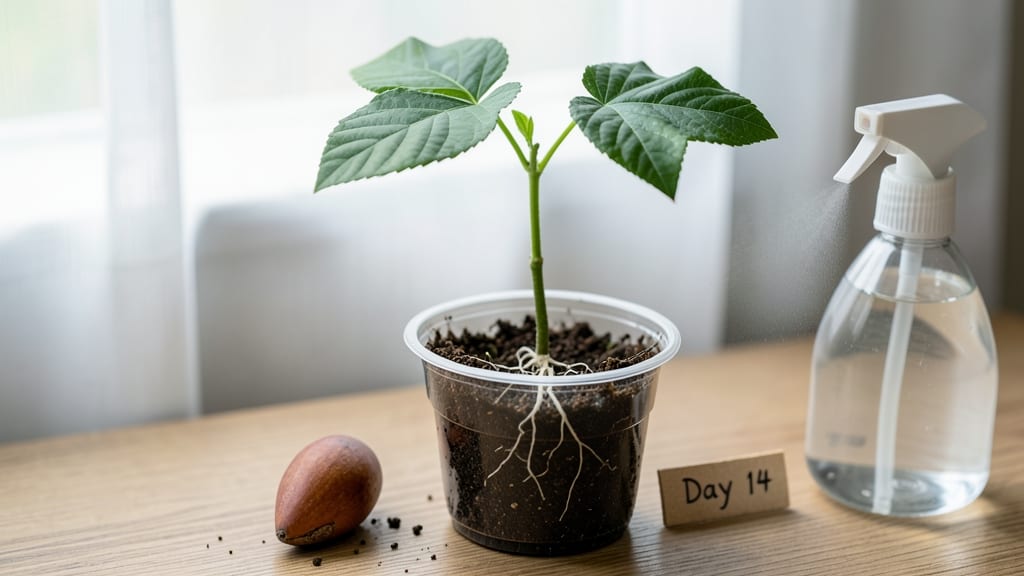
Watching a mango seed sprout is a thrilling journey—the germination time takes 2-4 weeks, but with the right conditions, every crack of that shell feels like a small victory. ✨ I’ve seen dozens of mango seeds break through, and the secret isn’t luck—it’s science.
Temperature, moisture, and soil all matter, but even beginners can master this with a few simple tweaks.
The magic happens when you mimic tropical humidity and warmth. A clear plastic bag over your seedling creates a greenhouse effect, while keeping the soil moist but not soggy prevents rot. Most seeds crack open between day 10 and day 21, though some stubborn ones take longer—don’t give up!
The first sign is a tiny white root breaking through the shell, followed by a sprout reaching upward.
By week 4, you’ll have a 2-3 inch seedling ready for its first true leaves, a sign it’s transitioning from seedling to real plant. The roots will spread, and with proper light, it’ll grow into a tree that could live for decades. This isn’t just propagation—it’s growing a future.
Fair warning: not every seed germinates, and some seedlings struggle early. That’s normal. The ones that make it reward you with bold, glossy leaves and a stubborn will to thrive—just like the mango tree itself. Let’s get those seeds sprouting!
📚 In This Guide
- What you need
- Instructions
- Tips and common mistakes
- Wrapping up and next steps
What you need
- ● Mango seeds: 1–3 fresh, viable seeds (harvested from ripe, organic mangoes—avoid hybrid or treated seeds).
- ● Small pots or containers: 2–4 (4–6 inches deep) with drainage holes. Plastic cups with holes poked in the bottom work too!
- ● Potting mix: 2–3 cups of well-draining, sterile seed-starting mix (or a 50/50 blend of coconut coir and perlite). No soil from your garden—it’s too dense!
- ● Watering can or spray bottle: With a fine mist setting to avoid over-saturating the seeds.
- ● Plastic wrap or clear lid: To create a mini greenhouse effect (e.g., a ziplock bag or plastic wrap).
- ● Scissors or knife: For cutting seeds or plastic (if needed).
- ● Label markers: To track seed varieties and planting dates.
- ● Seed scarification tools: Sandpaper (100–120 grit) or a knife to nick the seed coat if germination is slow.
- ● Grow lights or sunny windowsill: A south-facing window or a 12–16 hour LED grow light for consistent warmth.
- ● Humidity dome or propagation tray: To maintain moisture without smothering the seeds.
- ● Thermometer: To monitor soil temperature (ideal: 75–85°F (24–29°C)).
- ● Fertilizer (post-germination): A balanced, water-soluble fertilizer (5-5-5 or 10-10-10) diluted to half-strength once leaves appear.
Step-by-step guide to germinating mango seeds reliably
Here’s how to break the long wait and get those mango seeds sprouting predictably.
🌱 Step 1: Prepare the Seed for Faster Germination
Mango seeds have a thick, hard shell that slows water absorption—soaking them first cuts germination time in half. Place the seed in a small bowl of lukewarm water and let it soak for 24-48 hours. You’ll know it’s ready when the outer shell softens and the seed feels noticeably heavier. Avoid tap water with chlorine; use filtered or bottled instead.
After soaking, gently rub the seed between two paper towels to remove the outer husk. This step prevents mold while allowing moisture to penetrate faster. I like to place the seed between damp paper towels in a sealed plastic bag for an extra 24 hours—this mimics tropical humidity and speeds up the process. Check daily; the towels should stay moist but not soggy.
💧 Step 2: Plant in Moist, Well-Draining Medium
Fill a small pot or seed tray with a mix of 50% potting soil and 50% perlite or coarse sand. This blend prevents root rot while keeping moisture consistent. Moisten the mix until it’s damp but not dripping—think of a wrung-out sponge. Press the seed ½ inch deep into the soil, pointed end down, and cover lightly with additional mix.
Place the pot in a warm, shaded spot. Mango seeds germinate best at 75-85°F, so a seedling heat mat or warm windowsill works well. Keep the soil surface consistently moist; let the top inch dry slightly between waterings. You’ll see the first signs of germination—tiny white roots or a slight bulge—within 10-14 days.
☀️ Step 3: Provide Controlled Light and Humidity
Once the seedling emerges, move it to bright, indirect light immediately. Direct sunlight will scorch the delicate leaves. A south-facing window with sheer curtain coverage works well, or use a grow light 6-8 inches above the plant. You’ll notice the seedling’s first leaves (cotyledons) unfurl within 7-10 days after sprouting—these are your cue to monitor light closely.
Maintain high humidity by covering the pot with a clear plastic dome or misting the air around the plant daily. Mango seedlings thrive in 70-80% humidity. If the leaves start curling or yellowing, increase airflow gently or reduce misting. This stage is critical—leggy growth (long, weak stems) means too little light, while brown tips signal overwatering.
⏰ Step 4: Transplant When True Leaves Appear
After 4-6 weeks, the seedling will develop its second set of leaves (true leaves), which look more like mature mango foliage. This is your signal to transplant into a 4-inch pot with fresh potting mix. Handle the seedling carefully—mango roots are fragile. Bury it just below the soil line of the original pot to avoid disturbing the root system.
Place the new pot in a spot with morning sun and afternoon shade for the first week. Gradually introduce more sunlight over 10 days to harden the plant. You’ll see stronger growth when the true leaves darken and the stem thickens. At this point, the seedling is ready for a 6-inch pot and more consistent care—just like a young tree.
Tips & tricks for reliable mango seed germination
Took me years of trial and error to perfect these steps—here’s how to avoid the most common pitfalls and maximize your chances of success.
Soaking Strategy: The 24-48 hour soak is non-negotiable for breaking dormancy, but timing matters. I’ve found that removing the seed after 48 hours—even if the shell doesn’t feel completely soft—prevents mold growth while still softening the seed enough. After soaking, the extra 24 hours between damp paper towels in a sealed bag creates that tropical humidity effect you’d find in a mango’s native environment. This step alone can cut germination time by nearly half, but only if you maintain consistent moisture without letting the towels become soggy.
Temperature Precision: Those 75-85°F guidelines aren’t just suggestions—they’re critical. I learned this the hard way when my first attempt in a 65°F room took 30 days instead of the expected 10-14. Use a seedling heat mat if your home runs cool, or place the pot on top of your refrigerator (not inside) for gentle warmth. A simple thermometer near the pot helps monitor conditions—consistent warmth is more important than occasional spikes to higher temperatures.
Light Transition: The moment your seedling emerges is when most people make their first mistake—rushing to full sunlight. That first week after sprouting, bright indirect light is essential. I’ve seen seedlings develop brown patches within hours of direct exposure. If using a grow light, position it 6-8 inches above and use it for 12-14 hours daily to mimic natural daylight cycles. The cotyledons (those first leaves) will unfurl within 7-10 days after sprouting, signaling it’s ready for slightly more intense light.
Transplant Timing: Waiting for true leaves (that second set) is your best indicator, but don’t wait until they’re fully mature. The 4-6 week window gives you flexibility, but the moment you see those leaves resembling mature mango foliage, it’s time. I’ve found that transplanting at this stage—when the seedling has developed a small root system but hasn’t become pot-bound—results in healthier plants. The gradual sunlight introduction over 10 days prevents shock, and the 4-inch pot gives roots room to establish without overwhelming the seedling.
Pro Tips for Mango Seed Germination Time
- Took me years of trial and error to perfect these steps—here’s how to avoid the most common pitfalls and maximize your chances of success.
- Soaking Strategy: The 24-48 hour soak is non-negotiable for breaking dormancy, but timing matters.
- Temperature Precision: Those 75-85°F guidelines aren’t just suggestions—they’re critical.
Frequently asked questions
Got questions about mango seed germination?
You’re not alone! Here are some of the most common queries—plus science-backed answers to help you grow confidently.
How long does it take for a mango seed to germinate?
A mango seed typically takes 15–30 days to germinate under ideal conditions (warmth, moisture, and indirect light). Some seeds sprout faster (10–14 days), while others may take up to 2 months. Patience is key—consistent moisture and warmth speed up the process!
Why is my mango seed taking so long to sprout?
Slow germination often stems from cold temperatures, dry soil, or poor seed viability. Keep your seed in a warm, humid environment (70–85°F) and ensure the soil stays moist but not soggy. If it’s been over 60 days with no signs of sprouting, the seed may not be viable.
Can I speed up mango seed germination?
Yes! Try these pro tips:
- Soak the seed in warm water for 24 hours before planting to soften the shell.
- Use a seedling heat mat (75–85°F) to mimic tropical conditions.
- Plant the seed pointy-side down in moist, well-draining soil.
What’s the best soil mix for germinating mango seeds?
A lightweight, well-draining mix works best. Combine:
- 50% coco coir or peat moss (retains moisture)
- 30% perlite or vermiculite (aeration)
- 20% sand or compost (nutrients)
Can I plant a mango seed directly in the ground?
While possible, direct outdoor planting isn’t recommended for seeds—especially in cooler climates. Young seedlings are fragile and need protection from frost, pests, and harsh sunlight. Start indoors in small pots (3–4 inches deep) for the first 3–6 months, then transplant when the seedling is 6+ inches tall and weather permits.
What if my mango seed never sprouts?
Don’t lose hope! Some seeds are dormant or non-viable. Try:
- Testing 2–3 seeds at once—some varieties germinate better than others.
- Using a seed viability test: Fill a glass with water, add the seed. If it sinks, it’s likely viable; if it floats, it’s probably dead.
- Ordering pre-germinated mango seedlings from a nursery as a backup.
Wrapping up and next steps
Understanding mango seed germination time is the first step toward nurturing your own tropical fruit tree! 🌱 With patience, the right conditions, and a little care, your seed can sprout in 14–30 days—or even faster with warmth and moisture.
Whether you're a gardening newbie or a seasoned green thumb, this process is a rewarding journey into nature’s cycles.
Ready to take the next step? Once your seedling emerges, transplant it into a pot with well-draining soil and keep it in bright, indirect light. Soon, you’ll be watching your tiny sapling grow into a thriving mango tree—one sprout at a time! 🌿