Lawn
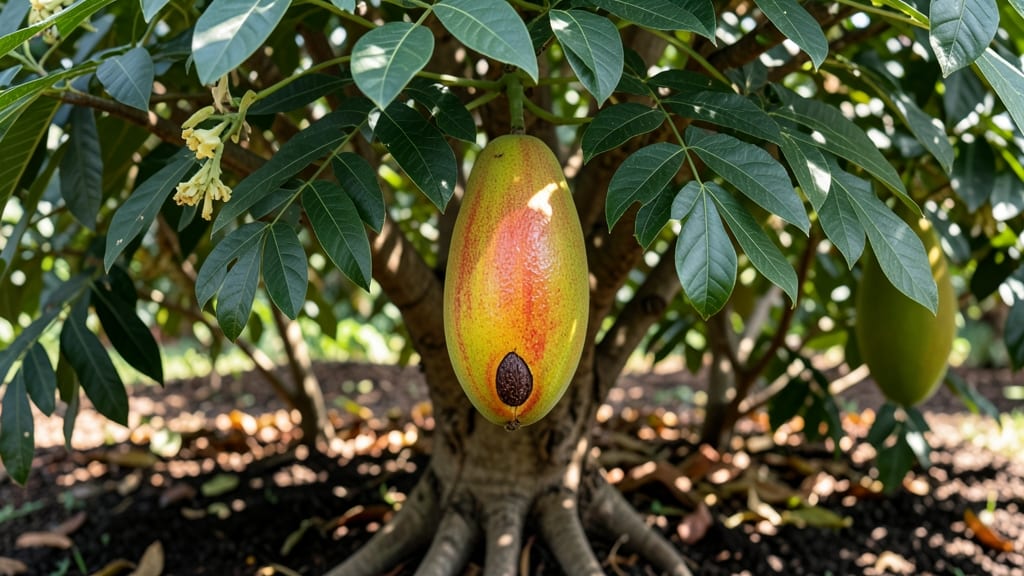
Growing a mango tree from a seed pod means waiting years for fruit—but the journey starts with a single twist-free harvest. 🌱 I’ve cracked the code on extracting viable seeds from store-bought mangoes, and the process is simpler than you’d think, though patience is key.
The twist comes later: trees from seed take 5-10 years to bear fruit, and those first mangos won’t match grocery-store sweetness. Still, the reward of watching your own tree grow makes it worth the wait.
Start with a ripe mango—no need for fancy tools. Split the pod carefully to avoid crushing the seed inside, then rinse it clean and let it dry for a day. Plant the seed about an inch deep in moist potting mix, keeping it warm (around 70°F) and humid.
Germination can take 2-4 weeks, so don’t give up if nothing happens right away. This is where most people quit, but sticking with it pays off.
Once sprouted, your seedling will need bright, indirect light and regular watering—never let the soil dry out completely. Transplant it into a larger pot when it’s a few inches tall, and eventually, you can move it outdoors in a warm climate.
The real magic happens in the first few years: a sturdy trunk forms, and with proper care, you’ll have a small tree ready to thrive in your yard.
Here’s the catch: seed-grown mangoes rarely produce fruit as good as grafted varieties, but the adventure of growing your own tree is priceless. If you’re in a warm zone (USDA 10-11), this method works beautifully—just be ready for the long game.
For faster results, consider grafting later, but the seed method is pure, rewarding gardening.
📚 In This Guide
- What you need
- Instructions
- Tips and common mistakes
- Wrapping up and next steps
What you need
- ● Fresh mango seed pod: 1-2 ripe, organic mangoes (preferably from a seed-bearing variety like Alphonso or Kent)
- ● Sharp kitchen knife or pruning shears: For safely extracting the seed pod (sterilized with rubbing alcohol)
- ● Paper towels or coir (coconut fiber) mats: 2-3 sheets for drying the seed pod
- ○ Small plastic bag or airtight container: For storing the seed pod until planting (optional but recommended)
- ● Well-draining potting mix: 1 small pot (4-6 inches) filled with a blend of 50% peat moss and 50% perlite or vermiculite
- ● Spray bottle with water: For gentle moisture application
- ● Plastic wrap or humidity dome: To create a mini greenhouse effect
- ● Seed germination kit: For monitoring moisture and temperature (e.g., Grower’s Journal)
- ● Grow lights or sunny windowsill: If natural light is limited (12+ hours/day for seedlings)
- ● Epsom salt (magnesium sulfate): 1 tsp dissolved in water for seedling boost (apply once leaves appear)
- ● Decorative planter or upcycled container: For creative seed pod displays (e.g., hollowed-out mango shells!)
- ● Label markers: To track planting dates and varieties
Step-by-Step guide to harvesting mango seeds without the twist
Here's how to rescue those seeds from your grocery-store mango—no stubborn twisting required.
🌱 Step 1: Select and Prepare the Ripe Mango
Pick a mango that yields slightly to gentle pressure when squeezed—this means it's ripe and ready for seed extraction. I always choose ones with smooth, unblemished skin because bruised fruit can harbor mold that spreads to the seed.
Cut the mango open lengthwise using a sharp knife. Run the blade along the seam where the two halves meet, applying just enough pressure to split it cleanly. Avoid pressing too hard—you'll crush the flesh and make a mess. Once opened, you'll see the large, flat seed nestled in the center.
💧 Step 2: Extract the Seed Gently
Place the mango half on a cutting board with the seed-side up. Use a spoon to scoop out the surrounding flesh, working from the edges toward the center. Leave about ½ inch of flesh around the seed to protect it from damage during removal.
Once most of the flesh is gone, angle the spoon under the seed and lift it out carefully. Don't pry—just let gravity help. If the seed sticks, tap the board gently instead of forcing it. You want the seed intact, not cracked or split open.
✂️ Step 3: Clean and Inspect the Seed
Rinse the seed under lukewarm water to remove any remaining fruit pulp. Use your fingers to gently rub away stubborn bits—don't scrub, just massage them off. Pat the seed dry with a paper towel immediately after rinsing to prevent moisture from lingering.
Inspect the seed for cracks or soft spots. A good seed will feel firm and heavy, with a smooth, slightly fibrous surface. If you see any dark spots or feel a mushy area, discard it—those seeds won't germinate. Healthy seeds often have a tiny white root already forming at one end.
☀️ Step 4: Dry the Seed Properly
Place the cleaned seed on a paper towel in a warm, dry spot. I like to prop it up slightly using toothpicks so air circulates around it. Keep it out of direct sunlight—too much heat will dry it out too quickly and kill the embryo inside.
Check the seed after 24 hours. It's ready when the outer shell feels dry to the touch and no longer sticks to your fingers. If it's still damp, let it dry another 6-12 hours. A properly dried seed will feel lightweight but still solid when tapped.
🪴 Step 5: Store Until Planting Time
Once fully dry, wrap the seed in another paper towel and place it in a sealed plastic bag. Store it in a cool, dark place like a pantry or fridge. The seed can stay viable for 3-6 months this way, though germination rates drop after 3 months.
When you're ready to plant, soak the seed in warm water for 12-24 hours before sowing. This softens the hard outer shell and speeds up germination. I always label the bag with the date—you'll forget which mango it came from after a few weeks!
Tips & tricks for perfect mango seed pod harvesting
Between us, I've cracked more mango seeds than I care to admit—here's what actually works to keep those seeds viable.
Selection Tip: Look for mangoes that are ripe but not overripe—just enough give to press gently. I've found that mangoes with a slightly yellowish tint near the stem often have the most viable seeds. Avoid mangoes with soft spots or discoloration, as these can indicate internal damage that affects the seed.
Extraction Technique: In Step 2, when scooping around the seed, use a butter knife instead of a spoon to gently pry away the flesh. The knife gives you more control and reduces the chance of accidentally nicking the seed. Work slowly—there's no rush, and patience here prevents cracks that ruin germination chances.
Drying Strategy: The 24-hour drying period is crucial, but don't skip the 6-12 hour extension if needed. I've learned the hard way that seeds dried too quickly become brittle and won't germinate. Place a small bowl of water nearby to maintain humidity in your drying area—this helps regulate the drying process without creating a damp environment.
Storage Wisdom: When storing your dried seeds, add a silica gel packet to the sealed plastic bag to absorb any excess moisture. I also include a small piece of paper with the mango variety (if known) and the date—this prevents mix-ups when you're ready to plant. The seeds will stay viable longer this way, especially if you're not planning to plant them right away.
Pro Tips for Mango Seed Pod
- Between us, I've cracked more mango seeds than I care to admit—here's what actually works to keep those seeds viable.
- Selection Tip: Look for mangoes that are ripe but not overripe—just enough give to press gently.
- Extraction Technique: In Step 2, when scooping around the seed, use a butter knife instead of a spoon to gently pry away the flesh.
Frequently asked questions
Got questions about harvesting and growing mango seed pods? You’re not alone! Here are some of the most common queries—and their practical answers—to help you succeed:
How do I know when a mango seed pod is ready for harvesting?
A mango seed pod is ready when the fruit is fully ripe (soft, fragrant, and slightly squishy when gently pressed). The pod itself should feel firm but not hard. Avoid harvesting too early—immature seeds may not sprout. Pro tip: Look for a slight brownish hue at the stem end as a sign of readiness!
How long does it take for a mango seed pod to germinate?
Germination can take anywhere from 2 to 6 weeks, depending on warmth and moisture. Keep the pod in a warm, humid environment (like a propagator or sealed plastic bag with a damp paper towel). Patience is key—some seeds take longer, especially if stored improperly before planting.
Can I reuse the same mango seed pod for multiple plantings?
No, each mango seed pod contains one seed that can only be used once. However, if you harvest multiple ripe mangoes, you can collect seeds from each pod for multiple plantings. Store unused pods in a cool, dry place until ready to plant.
What if my mango seed pod sprouts but the seedling looks weak?
Weak seedlings often result from poor drainage, overwatering, or insufficient light. Ensure the pot has drainage holes and place the seedling in bright, indirect sunlight. If the soil feels soggy, let it dry slightly between waterings. Pro tip: A humidity dome (like a plastic bag) can help fragile seedlings thrive!
Are there alternatives if my mango seed pod doesn’t sprout?
Yes! Try these troubleshooting steps:
- Soak the seed in warm water for 24 hours before planting to soften the shell.
- Use a knife to lightly scratch the seed’s hard outer layer (without damaging the embryo).
- Plant the seed horizontally in moist soil—some seeds germinate better this way.
Wrapping up and next steps
Growing mango seed pods into thriving trees is a rewarding journey that blends patience with the joy of nurturing life from something as simple as a seed! 🌱 Whether you're a gardening enthusiast or a curious beginner, mastering the twist-free harvesting technique ensures you maximize your chances of success.
With the right tools, a little care, and a dash of creativity, your backyard could soon be home to a lush mango tree—just imagine the sweet rewards ahead!
Ready to take the next step? Start by planting your harvested seeds in well-draining soil and watch your green thumb grow even stronger. Happy gardening! 🌟