Lawn
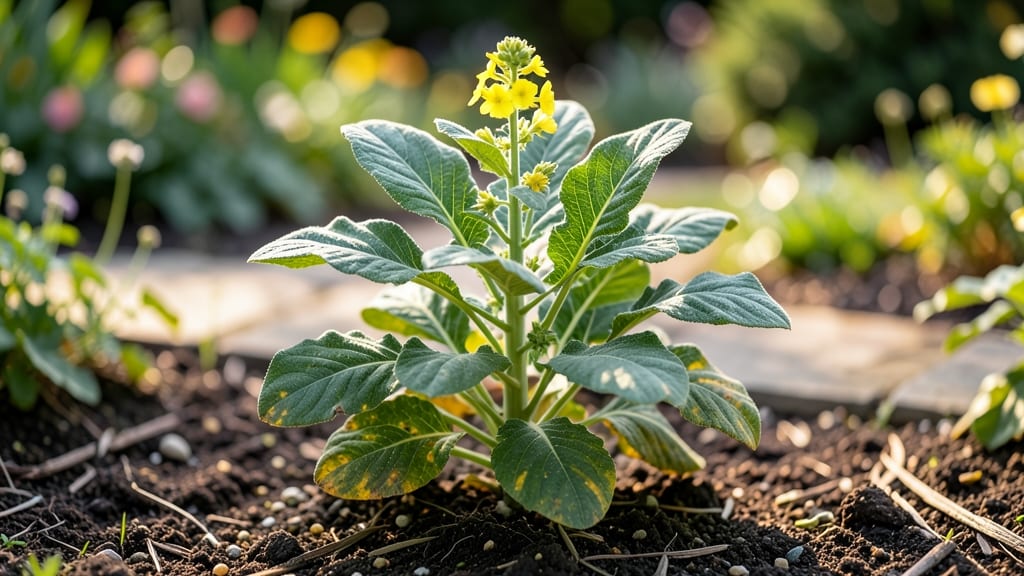
Growing mustard from seed is the fastest way to get vibrant greens or cheerful blooms—without the leggy, twisty plants that frustrate most gardeners. 🌱 I’ve grown mustard in late winter, early spring, and fall, and the secret to avoiding those weak stems?
Planting dense, cool-loving seeds in rich soil and keeping them consistently moist. The result? Bold, bushy plants ready for harvest in just 60 days—even when temperatures dip. Mustard thrives where other crops struggle: in cool weather, partial shade, and even containers.
My favorite method is direct-sowing into well-drained soil with a light compost mix. No fancy equipment needed—just a trowel, patience, and a sunny spot that gets at least 4-6 hours of light daily.
The key is to sow seeds ½ inch deep and thin seedlings to 12 inches apart once they sprout, which usually happens in 5-10 days if the soil stays above 40°F.
By mid-season, you’ll have lush foliage for salads, microgreens, or green manure, or bright yellow blooms that attract pollinators. Mustard’s hardy nature makes it a foolproof cover crop or quick harvest—perfect for filling gaps in your garden or adding nitrogen to the soil.
The only real challenge is preventing bolting (flowering too early), which happens when days get too warm. For best results, succession-sow every 2 weeks for continuous harvests.
Mustard’s fast growth means you can treat it like a living mulch, chop-and-drop it for soil health, or let it self-seed for next year’s surprise blooms. It’s one of the most versatile and low-maintenance crops you can grow!
📚 In This Guide
- What you need
- Instructions
- Tips and common mistakes
- Wrapping up and next steps
What you need
- ● Mustard seeds (Sinapis alba) – 1 lb (16 oz) (or ~2 cups). Choose cold-tolerant varieties like ‘Oriental’ or ‘White Mustard’ for best results.
- ● High-quality lawn soil or seed starter mix – 2–3 cubic yards (depending on lawn size). Ensure it’s well-draining and pH-balanced (6.0–7.0).
- ○ Lawn fertilizer (optional but recommended) – 10–15 lbs of a slow-release, nitrogen-rich formula (10-10-10 or 16-4-8).
- ● Organic compost or topsoil – 1–2 inches to amend soil texture and nutrients.
- ● Broadcast spreader – For even seed distribution (manual or electric for larger areas).
- ● Rake (bow rake or leaf rake) – 8–12 inches wide to level soil and cover seeds lightly.
- ● Garden hose with nozzle – Adjustable spray setting for gentle watering.
- ○ Lawn roller (optional) – Lightweight (20–30 lbs) to press seeds into soil for better contact.
- ● Gloves & knee pads – Because comfort matters! 😉
- ● Weather check – Plant in early spring or late summer/fall (after frost risk). Ideal temps: 40–75°F (4–24°C).
- ● Sunlight access – Full sun (6+ hours/day) for optimal growth. Partial shade? No problem—mustard tolerates it!
- ● Water source nearby – Mustard seeds need consistent moisture until germination (days 5–10).
- ● Weed-free lawn prep – Clear debris, rocks, and weeds before planting for a clean start.
Step-by-Step instructions for growing mustard greens from seed
Here’s how to coax cold-hardy mustard greens from tiny seeds into vibrant, fast-growing harvests—no fuss, no waiting.
🌱 Step 1: Prepare the Soil and Plant Seeds Directly
Mustard thrives in cool weather, so skip the indoor start. Work the soil until it’s loose and crumbly, then rake to create a fine, even seedbed. Scatter seeds ½ inch deep and 1 inch apart—crowding leads to weak stems. I like to use a small shovel to make shallow furrows, then drop seeds in a single line for easier thinning later.
Cover lightly with soil and pat down gently. Mustard seeds germinate best in 50-60°F soil, so avoid planting when ground temps are still cool. Water gently with a fine spray to settle the soil without disturbing seeds. You’ll see sprouts in 4-7 days—watch for the first tiny leaves to appear above soil level.
☀️ Step 2: Provide Cool, Consistent Light
Mustard greens need 3-5 hours of direct sun daily but bolt (go to seed) quickly in hot conditions. Place them where they get morning sun and afternoon shade, especially in warmer climates. If your spring is slow to warm, they’ll tolerate partial shade until soil temps rise.
Thin seedlings to 4 inches apart when they’re 2 inches tall. Use scissors to snip unwanted plants at soil level—this prevents disturbing roots of nearby seedlings. Mulch with 1 inch of straw to keep soil cool and retain moisture, which is critical for leaf production.
💧 Step 3: Water Deeply and Keep Soil Evenly Moist
Mustard greens wilt fast when dry but hate soggy roots. Water deeply once every 2-3 days until the top 1 inch of soil feels moist. I use a drip irrigation line or soaker hose to deliver water at the base—this keeps leaves dry and prevents fungal diseases like downy mildew.
Stop watering 24 hours before harvest to let leaves crisp up. Overhead watering right before picking can make greens limp and unappetizing. If you notice yellowing lower leaves, it’s often a sign of overwatering or nutrient deficiency—add a light application of compost tea to boost growth.
✂️ Step 4: Harvest at Peak Flavor
Baby leaves are tender and best for salads—harvest when they’re 3-4 inches tall by cutting just above the soil line. For larger greens, wait until plants reach 8-12 inches tall and cut the outer leaves, leaving the inner growth to continue producing.
Mustard greens bolt (flower) in 30-60 days depending on variety and temperature. If you see flower stalks forming, harvest everything immediately—the leaves become bitter. For a second crop, succession plant seeds every 2 weeks until 60 days before your first frost.
Tips & tricks for growing cold-hardy mustard greens
Cold-stressed mustard greens thrive with these key adjustments that prevent common pitfalls and maximize your harvest.
Soil Temperature Check: Mustard seeds need soil between 50-60°F to germinate properly. Use a soil thermometer to confirm—cooler than 50°F slows sprouting dramatically. I've planted in 45°F soil and waited weeks for germination, so don't rush into planting until your soil warms up naturally. This is especially critical in early spring when ground temps lag behind air temps.
Thinning Technique: When thinning seedlings to 4 inches apart in Step 2, use clean scissors to snip at soil level rather than pulling. This prevents disturbing nearby seedlings' roots and gives you cleaner plants. I've found that seedlings left too close compete for nutrients, resulting in spindly, bitter greens. The 2-inch height threshold for thinning is perfect—any earlier and you risk damaging the remaining plants.
Watering Strategy: The 2-3 day watering schedule works best when you check soil moisture by hand. Stick your finger 1 inch deep—if it feels dry, water deeply. Overhead watering before harvest is a game-changer: stop 24 hours ahead to let leaves crisp up naturally. I've learned this the hard way—wet leaves before picking make them soggy and unappetizing, no matter how fresh they look.
Harvest Timing: Baby leaves at 3-4 inches are ideal for salads, but don't overlook the 8-12 inch stage for heartier greens. I've found that harvesting outer leaves first actually extends your harvest window by weeks, as the inner growth continues producing. Watch for flower stalks—they signal it's time to harvest everything immediately before bitterness sets in.
Pro Tips for Mustard Seed Grown Up
- Cold-stressed mustard greens thrive with these key adjustments that prevent common pitfalls and maximize your harvest.
- Soil Temperature Check: Mustard seeds need soil between 50-60°F to germinate properly.
- Thinning Technique: When thinning seedlings to 4 inches apart in Step 2, use clean scissors to snip at soil level rather than pulling.
Frequently asked questions
Got questions about growing mustard greens from seed in just 60 days? You’re not alone!
Here are the answers to the most common queries—so you can skip the guesswork and get straight to those cold-hardy, fast-growing blooms.
How cold can mustard seeds tolerate before germination slows down?
Mustard seeds are tough—they’ll germinate in soil temps as low as 40°F (4°C). However, for fastest sprouts (3–5 days), aim for 50–70°F (10–21°C). If your soil is colder, try a mini greenhouse (like a cloche or row cover) to speed things up.
Why aren’t my mustard seeds sprouting after 10+ days?
Don’t panic! Mustard seeds need moisture, warmth, and darkness to germinate. Check these first:
- Moisture: Soil should stay consistently damp (not soggy). Water gently if the top inch feels dry.
- Warmth: If temps are below 40°F (4°C), wait or use a heat mat.
- Depth: Plant seeds ¼ inch deep—too deep = slow sprouts.
Can I grow mustard greens in containers, or do they need a full garden bed?
Mustard thrives in containers 6+ inches deep with drainage holes. Use a well-draining potting mix (avoid heavy clay) and place pots in full sun (6+ hours/day). For cold snaps, move containers to a sheltered spot or use a cold frame.
How do I harvest mustard greens without stopping their growth?
Mustard greens are cut-and-come-again champions! Snip outer leaves when they’re 4–6 inches tall, leaving the inner growth intact. Avoid pulling whole plants—this stresses them. For a continuous harvest, pick every 2–3 weeks until bolting (flowering) kicks in.
What’s the best alternative if mustard seeds fail to germinate?
Try these fast-growing, cold-tolerant swaps:
- Arugula: Ready in 30–40 days, peppery flavor, loves cool weather.
- Spinach (‘Bloomsdale’): Germinates in 5–10 days, thrives below 70°F (21°C).
- Kale (‘Winterbor’): Slower (45–60 days) but extremely cold-hardy.
Wrapping up and next steps
The journey of growing mustard from a tiny seed into a thriving bloom in just 60 days—without the twists of traditional methods—is a testament to patience, care, and a little cold-stress magic! 🌱 Whether you're a seasoned gardener or a curious beginner, this method proves that even the smallest seeds can yield big results with the right approach. Now that you're armed with the how-to, why not take the next step?
🌟 Ready to Grow?
- Start small: Pick a sunny spot in your yard or a cozy corner on your balcony and plant your first batch of mustard seeds.
- Experiment: Try tweaking the cold-stress technique—maybe a little extra chill or a different soil mix—to see what works best for your climate.
- Share the joy: Snap photos of your progress and inspire others to grow their own mustard blooms!
Your green thumb is about to get even greener—let those seeds grow! 🌿