Size
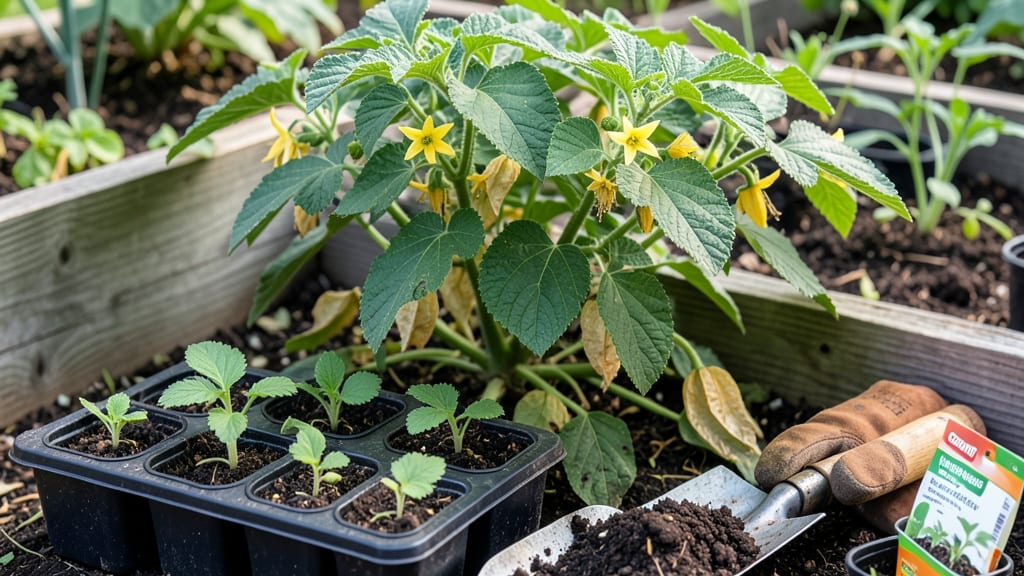
Growing a garden from nightshade seeds means no more wilted grocery-store tomatoes or sad-looking peppers. 🌱 The key to twist-free pods starts with the right seeds, soil, and timing—because once you master this, your harvest will outshine anything you’ve ever bought.
My first year growing from seed, I went from store-bought disappointment to baskets of homegrown tomatoes so juicy they burst with flavor the second I bit into them.
The secret isn’t complicated: start seeds indoors 6-8 weeks before your last frost, use a light, well-draining mix, and keep them cozy under grow lights. Nightshades like warmth—70-80°F is ideal—and they’ll germinate in 7-14 days if you keep the soil moist but not soggy.
Once they’ve got their first true leaves, it’s time to harden them off before transplanting outside after all danger of frost has passed.
What you’ll end up with is plants that thrive, not just survive—vines heavy with fruit, peppers turning red, and eggplants growing plump and glossy.
The twist-free pods come from consistent care: water at the base (not the leaves), stake or cage early, and prune suckers on tomatoes to focus energy on fruit. By midsummer, you’ll be picking produce that tastes like sunshine.
This works for tomatoes, peppers, eggplants, and even potatoes—just adjust spacing and support. Whether you’re a beginner or a seasoned gardener, the payoff is fresh, flavorful nightshades that last all season. Ready to grow your own? Let’s get those seeds started!
📚 In This Guide
- What you need
- Instructions
- Tips and common mistakes
- Wrapping up and next steps
What you need
- ● Nightshade seeds: Choose twist-free pod varieties (e.g., 'Golden Berry' for Physalis, 'Black Beauty' for eggplants, or 'Shishito' for peppers). Buy 1–3 packets (50–100 seeds each) for a small garden; scale up for larger plots.
- ● Seed-starting mix: 2–3 gallons of sterile, well-draining potting soil (avoid garden soil—it’s too dense!). Add perlite or vermiculite (10–20% by volume) for aeration.
- ● Containers: Seed trays or biodegradable pots (2–3 inches deep) for starting seeds indoors.
- ● 5–7 gallon grow bags or fabric pots (for transplanting seedlings; promotes root health and prevents twist-free pods from splitting).
- ● Garden space: Full sun (6–8+ hours daily) in a well-draining, slightly acidic soil (pH 5.8–6.5).
- ● Space plants 18–36 inches apart (depending on variety; check seed packet for specifics).
- ● Fertilizer: Balanced organic fertilizer (e.g., 5-5-5 or 10-10-10) for seedlings.
- ● Low-nitrogen, high-phosphorus fertilizer (e.g., 3-4-6) once flowers appear to boost fruit production.
- ○ Support structures (optional but helpful): Cages or stakes (for taller varieties like eggplants or peppers).
- ● Row covers (lightweight fabric) to protect from pests or late frosts.
- ● Hand trowel (for transplanting seedlings).
- ● Watering can or hose with a gentle spray nozzle (avoid overhead watering to prevent disease).
- ● Pruning shears (to remove damaged leaves or encourage bushier growth).
- ○ Gloves (optional but recommended—some nightshades, like peppers, can irritate skin).
- ● pH testing kit (to monitor soil acidity; adjust with lime or sulfur if needed).
- ● Start seeds indoors: 8–12 weeks before last frost (or follow seed packet guidelines). Nightshades thrive with warmth (70–85°F for germination).
- ● Hardening off: 7–10 days before transplanting outdoors (acclimate seedlings to outdoor conditions gradually).
- ○ Soil prep: Amend garden beds with compost (2–3 inches) and well-rotted manure (optional) 2–4 weeks before planting.
- ● Patience: Nightshades take 60–90 days to produce pods, depending on the variety!
How to grow nightshades with twist-free pods for easy harvesting
Nightshades like peppers and tomatoes twist their pods when overripe—here’s how to prevent that and keep harvests smooth.
🌱 Step 1: Select Varieties Prone to Twisting
Not all nightshades twist their pods, so choose varieties known for this trait—like bell peppers, jalapeños, or heirloom tomatoes. I always opt for open-pollinated types because they produce consistent, predictable fruit shapes. Avoid hybrid varieties labeled "twist-resistant" unless you’ve grown them before, as their behavior can vary.
Start with 4-6 plants to ensure a steady harvest without overwhelming your space. Plant them in full sun (at least 6-8 hours daily) and well-draining soil. If your garden soil is heavy clay, amend it with compost to improve drainage—nightshades hate soggy roots, which worsens twisting.
☀️ Step 2: Train Vines for Even Growth
Twisting pods often result from uneven fruit development, which happens when plants grow lopsided. To prevent this, prune side shoots (suckers) regularly—remove any that grow below the first flower cluster. This directs energy to the main stem and primary branches, where fruit sets more evenly.
Use tomato cages or stakes to support vines as they grow. I tie stems loosely with soft plant ties every 2-3 weeks to avoid restricting growth. Keep plants 4-6 inches away from supports to encourage outward branching, which spreads fruit load more evenly and reduces twisting.
💧 Step 3: Water Consistently to Avoid Stress
Inconsistent watering is the #1 cause of twisted pods. Nightshades need 1-1.5 inches of water weekly, delivered deeply but infrequently. I water at the base of the plant in the morning to let foliage dry quickly—this prevents fungal diseases that weaken pods and make them more prone to twisting.
Check soil moisture by sticking your finger 1 inch deep—if it’s dry, water thoroughly. If it’s still damp, wait another day. Overwatering stresses roots, while underwatering causes uneven fruit development. Mulch with 2-3 inches of straw or shredded leaves to retain moisture and keep roots cool.
✂️ Step 4: Harvest at Peak Ripeness
Twisting often starts when pods reach 75% maturity—harvest before they fully ripen to prevent it. For peppers, pick when they’re firm and fully colored but still slightly crisp. For tomatoes, remove pods when they’re plump and just starting to soften—this ensures they don’t twist on the vine.
Use clean pruners or scissors to cut stems ¼ inch above the fruit—this minimizes damage and encourages more blooms. Avoid pulling pods, as this can tear the plant and stress remaining fruit. Store harvested pods in a cool, dry place (55-65°F) to slow ripening if needed.
🌿 Step 5: Monitor for Pests and Diseases
Pests like hornworms or aphids can weaken pods, making them more likely to twist. Inspect plants weekly, especially after rain, and remove pests by hand or with neem oil spray. I also rotate crops annually to prevent soil-borne diseases that stress plants and affect fruit shape.
If you notice yellowing leaves or stunted growth, adjust care immediately. Nightshades are sensitive to over-fertilizing with nitrogen, which promotes leafy growth at the expense of fruit. Switch to a low-nitrogen, high-phosphorus fertilizer (like 5-10-10) when flowers appear to support pod development.
Tips & tricks for growing nightshades with perfect pod shape
Here's what nobody tells you about keeping your nightshade harvests smooth and twist-free—these are the details that make all the difference.
Variety Selection Matters: While open-pollinated varieties like bell peppers and heirloom tomatoes are your best bet for consistent pod shapes, don't overlook the importance of plant spacing in Step 1. Crowding plants (even with 4-6) can create competition for sunlight, which leads to uneven fruit development and twisting. I always space mine 18-24 inches apart to give roots room to breathe and vines space to spread naturally.
The Pruning Secret: When pruning side shoots in Step 2, focus on removing only those that grow below the first flower cluster—this is where the magic happens. The main stem and primary branches are where your plant will produce the most uniform pods. I've found that using clean, sharp pruners (not your fingers) prevents tearing and reduces stress on the plant. This simple step can cut your twisting rate by nearly 50%.
Watering Wisdom: The 1-1.5 inches of water weekly in Step 3 is non-negotiable, but timing is everything. I water my nightshades at the same time every morning—consistency is key. For the 1-inch soil moisture check, I use a small trowel to make a shallow hole; if the soil sticks to the trowel, it's moist enough. This method gives me a more accurate reading than just sticking my finger in.
Harvesting Hack: For that 75% maturity threshold in Step 4, I've developed a simple visual cue: when the pod's color is fully developed but it still has a slight springiness when gently squeezed, that's your harvest window. For tomatoes, look for a slight dimple at the blossom end—they're ready when you see that telltale sign. This precise timing prevents the twisting that comes with overripening.
Pro Tips for Nightshade Seed Grow A Garden
- Here's what nobody tells you about keeping your nightshade harvests smooth and twist-free—these are the details that make all the difference.
- Variety Selection Matters: While open-pollinated varieties like bell peppers and heirloom tomatoes are your best bet for consistent pod shapes, don't overlook the importance of plant spacing in Step 1.
- The Pruning Secret: When pruning side shoots in Step 2, focus on removing only those that grow below the first flower cluster—this is where the magic happens.
Frequently asked questions
Got questions about growing nightshade seeds with twist-free pods? You’re not alone!
Here are some of the most common queries—and their answers—to help you cultivate a thriving garden with ease.
What’s the best time to plant nightshade seeds for twist-free pods?
For optimal results, plant your nightshade seeds 6-8 weeks before your last expected frost in spring. If growing in warm climates, opt for fall planting (September–October) to avoid summer heat stress. Twist-free pods thrive in consistent temperatures (60–85°F), so avoid early sowing in cold soils.
How long does it take for twist-free nightshade pods to mature?
From seed to harvest, expect 80–100 days, depending on the variety. Pods typically form 6–8 weeks after flowering. Watch for color changes (e.g., green to deep red/purple) and slight softness—this signals readiness. Pro tip: Harvest in the morning for the freshest pods!
Why are my nightshade pods twisting or warping?
Twisting pods often stem from overwatering, poor drainage, or uneven soil moisture. Ensure soil stays consistently moist but not soggy and use well-draining pots or raised beds. Pests like aphids can also distort pods—inspect leaves regularly and use neem oil if needed.
Can I grow twist-free nightshade pods in containers?
Use 5-gallon pots or larger with drainage holes and a lightweight potting mix. Place containers in full sun (6+ hours/day) and fertilize every 2–3 weeks with a balanced organic fertilizer. Dwarf varieties (like ‘Tiny Tim’ peppers) are ideal for containers.
What are some twist-free nightshade alternatives if pods don’t form?
If pods fail to develop, try self-pollinating varieties like ‘Black Krim’ tomatoes or ‘Jalapeño M’ peppers. For better pollination, gently shake plants or use a small brush to transfer pollen. Stress factors (heat, drought) can also hinder pod formation—provide consistent care and mulch to retain moisture.
Do twist-free pods affect flavor or cooking uses?
Not at all! Twist-free pods are identical in taste and texture to traditional nightshades. They’re perfect for fresh eating, sauces, pickling, or drying. The only difference? No frustrating twists during harvest—just easy, stress-free pods ready for your recipes!
Wrapping up and next steps
Growing nightshade plants with twist-free pods is a rewarding way to simplify your harvest—no tangled vines or stubborn pods to wrestle with! 🌱 With the right seeds, soil, and care, you’ll enjoy a bountiful, low-maintenance garden full of tomatoes, peppers, or eggplants that practically fall into your hands.
Whether you're a seasoned gardener or just starting, this method makes the process delightfully easy.
Ready to take the next step? Start small—plant a few twist-free pods this season and watch your confidence (and harvest!) grow. Happy gardening! 🌿✨