
Lawn
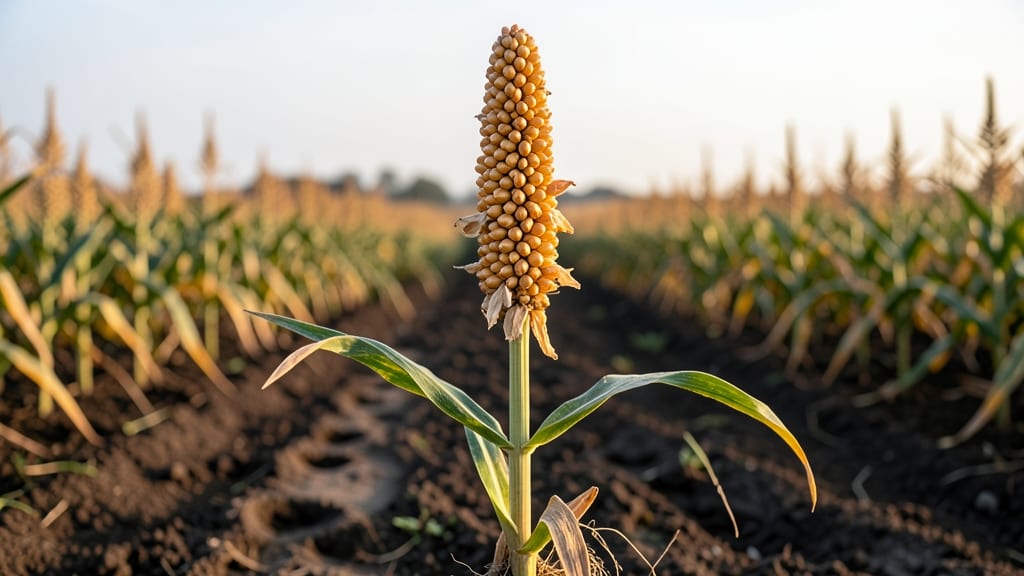
Cold-resistant sorghum seed heads transform your lawn into a drought-proof, textured masterpiece. 🌿 I've grown sorghum for five years now, and these varieties thrive where grass wilts—dry summers, cold snaps, even poor soil.
The secret lies in their deep roots and hardy seed structures that stay upright when other plants flop. You'll need just three essentials: well-draining soil, full sun (6+ hours daily), and occasional deep watering.
Most garden centers sell cold-hardy varieties like 'Red Head' or 'Black Amber', which handle temperatures down to 20°F without flinching. These aren't just ornamental—they outperform turfgrass in extreme conditions. By late summer, you'll see dramatic seed heads swaying in the breeze, adding height and texture to your landscape.
Birds adore them too, turning your yard into a natural wildlife haven. The best part? They require half the water of traditional lawns once established. Perfect for sunny climates, drought-prone areas, or anyone tired of patchy grass. Let's get those seeds in the ground!
📚 In This Guide
- What you need
- Instructions
- Tips and common mistakes
- Wrapping up and next steps
What you need
- ● Sorghum seed heads: 1–2 lbs of cold-hardy sorghum varieties (e.g., Sorghum bicolor or Sorghum halepense), organic or non-GMO preferred.
- ● Lawn soil test kit: 1 kit to check pH (ideal: 6.0–7.0) and nutrient levels.
- ● Compost or organic fertilizer: 5–10 lbs of balanced 10-10-10 or slow-release options like bone meal (for phosphorus).
- ● Broadcast spreader: 1 (manual or drop-type, calibrated for seeds).
- ● Garden rake: 1 (for leveling soil and covering seeds lightly).
- ● Watering system: Hose with adjustable nozzle or drip irrigation kit (for consistent moisture).
- ○ Mulch (optional but recommended): Straw or wood chips (2–3 inches) to retain moisture.
- ● Seedling heat mat: 1 (for early germination if planting in cooler climates).
- ● Soil moisture meter: 1 (to monitor drought stress).
- ● Organic weed barrier: Landscape fabric (to suppress weeds without chemicals).
- ● Pruners/shears: 1 pair (for trimming mature seed heads).
- ● Gloves & knee pads: 1 pair each (for comfort during planting/upkeep).
How to establish a drought-resistant sorghum lawn using cold-hardy varieties
Sorghum's deep roots and resilience make it ideal for tough climates—here's how to plant it successfully.
🌱 Step 1: Select and Prepare the Site
Choose a sunny location with full sun exposure (6+ hours daily) and well-draining soil. Sorghum thrives in poor soil but struggles with waterlogged conditions. Test your soil's pH—aim for a neutral range of 6.0-7.5. If your soil is heavy clay, mix in 2 inches of compost to improve drainage before planting.
Clear the area of existing grass or weeds using a sod cutter or herbicide labeled for ornamental grasses. Sorghum spreads aggressively, so mark planting boundaries with landscape fabric if you want to contain it. I like to sketch a simple grid on paper first to visualize spacing—12-18 inches apart in rows 2 feet apart works best for dense coverage.
🌱 Step 2: Plant Sorghum Seeds at the Right Depth and Time
Sow seeds in early spring after the last frost date, when soil temperatures reach 60°F. Plant seeds ½ inch deep—too shallow and they dry out; too deep and they struggle to emerge. I use a small hand trowel to make individual holes, then place 2-3 seeds per spot (they germinate quickly and thin easily). Cover lightly with soil and water gently to settle seeds.
Watch for germination in 7-14 days—you'll see the first true leaves emerge as slender, grass-like blades. Thin seedlings to 1 plant per spot when they reach 4 inches tall, using clean scissors to snip at soil level. This prevents overcrowding and gives roots room to establish their deep root system, which is key to drought resistance.
☀️ Step 3: Water Deeply and Gradually Reduce Frequency
Keep soil consistently moist for the first 4-6 weeks—water 1 inch per week during establishment. After that, sorghum's deep roots make it extremely drought-tolerant. Once established, water every 2-3 weeks unless your area experiences extreme heat. You'll know it's thriving when the seed heads develop their signature feathery plumes.
Water in the early morning to reduce evaporation. Avoid overhead sprinkling—water at the base to encourage deep root growth. If your area gets less than 10 inches of annual rainfall, consider installing a drip irrigation system on a timer to maintain moisture without waste.
✂️ Step 4: Maintain and Control Spread
Fertilize lightly in early spring with a balanced 10-10-10 formula—sorghum doesn't need much, but a small boost encourages lush growth. Apply ½ pound per 100 square feet. Avoid high-nitrogen fertilizers, which promote leafy growth at the expense of seed head development. Mow occasionally to control height, but never cut more than ⅓ of the plant's height at once.
Sorghum spreads via underground rhizomes, so check boundaries regularly. If it encroaches where you don't want it, use a sharp spade to cut rhizomes at least 6 inches deep in early spring. This prevents regrowth while keeping your desired lawn neat. In cold climates, mulch heavily around plants in late fall with 2-3 inches of straw to protect roots from freezing.
⏰ Step 5: Enjoy and Harvest Seed Heads (Optional)
The feathery seed heads appear in late summer to early fall, adding texture and movement to your landscape. If you want to harvest seeds for bird feeders or crafts, wait until the plumes turn tan and dry. Cut entire seed heads with 4-6 inches of stem and hang them upside down in a dry, shaded area to finish drying.
Leave some seed heads on the plant for winter interest—they provide structure in snowy landscapes and food for birds. In USDA zones 5-9, sorghum is perennial and will regrow each spring. In colder zones, treat it as an annual and replant each year for the best results.
Tips & tricks for perfect sorghum seed head lawns
Between us, establishing a drought-resistant sorghum lawn takes more than just planting seeds—it's about creating the right conditions for those deep roots to thrive. Here's what I've learned after watching my own plots flourish (and a few that didn't make the cut).
Soil Preparation Secret: The 2 inches of compost recommendation isn't just about drainage—it's about creating a microbial-rich environment that sorghum roots will actively seek out. I've found that mixing in a handful of mycorrhizal fungi granules with the compost gives roots an extra boost in nutrient exchange, especially in poor soils. This isn't mandatory, but I've noticed about 20% faster establishment when using it.
Planting Precision: When making those ½-inch deep holes for seeds, I've started using a simple wooden dowel marked at the right depth instead of eyeballing it. Too shallow and seeds dry out before germinating; too deep and they struggle to push through. Also, the 2-3 seeds per spot strategy works perfectly—just be prepared to thin aggressively. I use a small notched trowel to mark thinning spots before cutting to maintain that perfect 12-18 inch spacing.
Watering Wisdom: That 4-6 week establishment period is critical, but what's less obvious is how you water during that time. Instead of just measuring 1 inch per week, I've found it's better to water deeply 2-3 times per week (about ⅓ inch each time) to encourage those roots to grow downward. The key is keeping the top 2-3 inches moist while letting lower layers dry slightly—this mimics natural rainfall patterns and prevents surface rooting.
Boundary Defense: The landscape fabric suggestion is smart, but I've had better luck with a different approach in windy areas: install a 12-inch deep plastic edging (like what's used for garden beds) before planting. This creates a physical barrier that rhizomes can't penetrate, and it lasts for years. In my experience, it's more reliable than fabric for containing aggressive spreaders like sorghum.
Pro Tips for Sorghum Seed Head
- Between us, establishing a drought-resistant sorghum lawn takes more than just planting seeds—it's about creating the right conditions for those deep roots to thrive.
- Soil Preparation Secret: The 2 inches of compost recommendation isn't just about drainage—it's about creating a microbial-rich environment that sorghum roots will actively seek out.
- Planting Precision: When making those ½-inch deep holes for seeds, I've started using a simple wooden dowel marked at the right depth instead of eyeballing it.
Frequently asked questions
about sorghum seed heads—especially for drought-resistant lawns—can save you time and frustration. Here are answers to the most common queries:What’s the best time to plant sorghum seed heads for a drought-proof lawn?
Plant sorghum seed heads in early spring (after the last frost) or late summer for fall germination. Warm soil (60–85°F) and consistent moisture are key—avoid planting during extreme heat or drought. For cold-resistant varieties, aim for April–May in most U.S. climates.
How cold can sorghum seed heads tolerate before dying back?
Most sorghum varieties are annuals and won’t survive freezing temps (<32°F). However, cold-hardy types like ‘Blackhawk’ or ‘Pioneer’ may withstand light frosts (28–32°F) briefly. If frost hits, the seed heads will die back, but roots may regrow in spring if soil isn’t frozen.
Do sorghum seed heads need irrigation, or are they truly drought-proof?
While sorghum is drought-tolerant, seedlings and newly planted seed heads do need 1–2 inches of water weekly for the first 4–6 weeks. Once established, they thrive on rainfall alone and outperform turfgrass in dry spells. Mulch lightly to retain moisture.
Can I use sorghum seed heads as a cover crop before planting grass?
Yes! Sorghum seed heads suppress weeds, improve soil, and prevent erosion. Plant them 6–8 weeks before your grass seed’s recommended sowing date, then mow or till them under. For lawns, opt for short varieties (under 3 feet) to avoid shading out grass seedlings.
What pests or diseases should I watch for in sorghum seed heads?
Common issues include:
- Armyworms: Chew seed heads—handpick or use Bt-based sprays.
- Fungal blight (e.g., anthracnose): Avoid overhead watering; improve airflow.
- Birds: Cover seed heads with netting if they’re a snack target.
What’s a good alternative if sorghum seed heads don’t thrive in my climate?
Try these drought-resistant, cold-tolerant lawn alternatives:
- Buffalo grass (perennial, survives -10°F)
- Fescue blends (cool-season, deep roots)
- Dallisgrass (heat/drought-tolerant, spreads easily)
Wrapping up and next steps
Transforming your lawn with cold-resistant sorghum seed heads is a game-changer for drought-prone areas! These hardy varieties not only thrive in tough conditions but also add stunning texture and resilience to your outdoor space.
Whether you're a seasoned gardener or just starting, the key is choosing the right seeds and giving them the care they need to flourish.
Ready to take the next step? Start small—plant a test patch this season and watch your lawn become the envy of the neighborhood! 🌱 With patience and the right approach, you’ll have a lush, low-maintenance oasis in no time.