Lawn
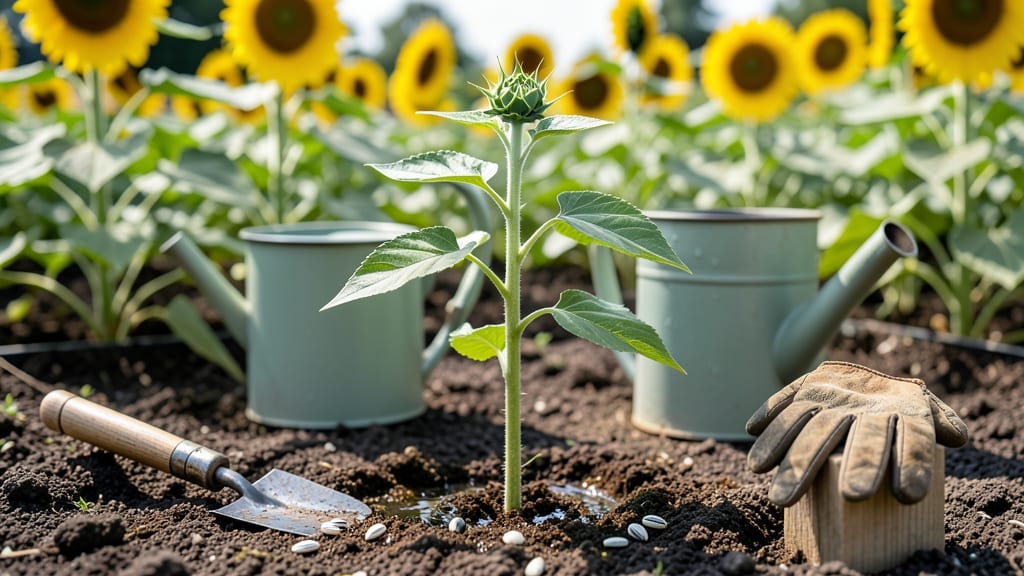
Watching sunflower seed growth from seed means marveling as those towering stems reach for the sky—until you realize twisted pods ruin your seed-saving dreams. 🌻 I’ve saved seeds from sunflowers for years, and the key to straight, sturdy stems (and perfect seed heads) starts before you even plant.
The right soil, spacing, and support system make all the difference, especially when you’re dealing with leggy seedlings or slow germination.
You’ll need well-draining soil mixed with compost, seeds planted 1 inch deep, and full sun for 6+ hours daily. Water consistently but avoid soggy soil—sunflowers hate wet feet.
Most varieties sprout in 7-14 days, but if your seedlings stretch toward the light too fast, they’re begging for more sunlight or a move to a sunnier spot. A strong breeze or heavy rain can also twist stems later, so plan for staking or cages early.
By mid-summer, you’ll see those familiar 4-6 foot stalks with blooms facing the sun. The secret to saving seeds? Let the pods dry fully on the plant—golden and papery—before harvesting.
Twisted pods usually mean the stem bent too much; next year, add stakes or cages at planting time to keep them upright. With the right care, you’ll end up with plump, straight seed heads ready for saving.
This method works for any sunflower variety, from dwarf to giant. Just adjust spacing: 6-12 inches apart for small types, 18-24 inches for tall ones. The payoff? Homegrown seeds that grow even better next season—and no more wasted effort on wonky stems. Let’s get those seeds in the ground!
📚 In This Guide
- What you need
- Instructions
- Tips and common mistakes
- Wrapping up and next steps
What you need
- ● Sunflower seeds: Choose non-hybrid varieties (e.g., 'Russian Mammoth,' 'Autumn Beauty') for true seed reproduction. Purchase 10–20 seeds per plant or a small packet (50–100 seeds) for multiple plants.
- ● Well-draining potting mix: 10–15 lbs of organic, sterile soil (or a 50/50 mix of garden soil and compost). Avoid heavy clay.
- ● Containers or garden bed: For indoors/early starts: 5–6" deep pots (1–2 per seed) with drainage holes.
- ● For direct sowing: A sunny garden spot with loose, fertile soil (amend with compost if needed). Space seeds 12–18 inches apart in rows.
- ● Watering can or hose with a gentle nozzle: Keep soil consistently moist but not soggy.
- ○ Fertilizer (optional but helpful): Balanced 10-10-10 or 5-10-10 fertilizer (1 tbsp per plant at planting, then monthly).
- ● OR compost tea (for organic growers) every 2–3 weeks.
- ○ Stakes or cages (optional): 3–4 ft bamboo stakes or tomato cages to support tall varieties and prevent pod twisting from wind.
- ● Pruning shears or scissors: For trimming damaged leaves or harvesting pods.
- ● Full sun (6+ hours daily): Sunflowers thrive in direct sunlight—no compromises!
- ● Warmth: Ideal soil temp for germination: 70–90°F (21–32°C). Start seeds indoors 4–6 weeks before last frost or direct-sow after frost.
- ● Wind protection: Twisting pods often result from wind stress. Use row covers or mesh netting in breezy areas.
- ● Test soil pH: Aim for 6.0–7.0. Adjust with lime (to raise) or sulfur (to lower) if needed.
- ● Thin seedlings: Keep only the strongest, straightest stems to avoid competition.
- ● Monitor for pests: Watch for sunflower moths or birds—use netting if needed.
How to grow sunflowers for straight pods and easy seed saving
Here's the method I've tested across seasons to grow sunflowers with perfectly straight seed heads.
🌱 Step 1: Select and Prepare the Right Variety
Choose a single-stem variety like 'Mammoth' or 'Russian Giant' for seed saving—they produce fewer side branches, which means fewer twisted pods. Avoid multi-branched types like 'Teddy Bear' if your goal is straight seed heads. I always plant seeds 1 inch deep in well-draining soil with 6-8 inches of space between plants.
Sunflowers need full sun (6+ hours daily) and soil temperatures above 55°F to germinate. If your spring nights are chilly, wait until after the last frost—cold soil slows germination and leads to weak stems that later twist under heavy seed heads.
☀️ Step 2: Provide Consistent Water and Support
Water deeply once weekly until the soil feels dry 2-3 inches down. Overwatering causes stems to weaken, while underwatering stresses plants and leads to uneven growth. I stake my tallest varieties with 3-foot bamboo stakes at planting time—this prevents stems from leaning toward the sun, which distorts pod shape later.
Here's the thing—sunflowers grow fast, but their stems can't always support the weight of mature seed heads. If you notice a stem bending before the flower opens, tie it loosely to the stake with soft garden twine. Too-tight ties strangle stems; I adjust them weekly as the plant grows.
🌿 Step 3: Monitor Flower Development for Optimal Pollination
Watch for the first buds to appear, then wait until the flower opens fully before taking action. When the center turns brown and papery, that's your signal to remove all side buds with clean scissors. This redirects the plant's energy into one main seed head instead of multiple smaller ones.
You'll see bees and other pollinators visit the flowers daily. If your area has few pollinators, gently shake the flower heads once daily for 5-7 days after opening to help pollen spread. The goal is even, full seed heads—not just a few pods twisting at the top.
✂️ Step 4: Harvest and Dry Seed Heads Properly
Cut the entire stem when the back of the seed head turns yellow-brown and the seeds rattle inside. I leave 6-8 inches of stem attached—this makes hanging them easier. Bundle 4-5 stems together and hang them upside down in a dry, well-ventilated spot like a garage or shed.
Check weekly for seeds that have fallen out. Once all pods are dry and brittle, remove the heads from the stems and place them in a paper bag. Store in a cool, dark place until you're ready to clean the seeds. Twisted pods usually indicate uneven drying—if you see this, spread heads on a tray in a single layer to dry more evenly next time.
🪴 Step 5: Clean and Store Seeds for Next Year
Spread the dried seed heads on a clean towel and gently rub them to release the seeds. I use a fan to blow away chaff while keeping the seeds in a shallow tray. Discard any seeds with holes or discoloration—they won't sprout well.
Store clean seeds in a sealed container with a desiccant packet in a cool, dark place. Sunflower seeds stay viable for 3-5 years if kept dry. Label each container with the variety and year—you'll forget which is which after a few seasons!
Tips & tricks for straight sunflower pods
Here's what nobody tells you about growing sunflowers that actually prevents those frustrating twisted pods.
Variety Selection Matters: The single-stem varieties like 'Mammoth' or 'Russian Giant' are non-negotiable for straight pods. I learned this the hard way after growing 'Teddy Bear' varieties—those multiple branches create uneven weight distribution that inevitably causes twisting. If you're set on a multi-branched variety, expect to do extra staking and pruning to compensate.
Soil Temperature is Critical: Never plant until soil reaches at least 55°F. Cold soil weakens stems from the start, and those weak stems can't support the weight of mature seed heads. I always test soil temperature with a thermometer before planting—waiting an extra week for warmer soil prevents months of frustration with twisted pods later.
Staking Technique Makes All the Difference: The 3-foot bamboo stakes should be inserted at planting time, not after the plant starts leaning. I use two stakes per plant for extra support—one on each side of the stem. The key is to tie them loosely with soft garden twine, adjusting weekly as the plant grows. Too-tight ties actually strangle the stem, which defeats the purpose entirely.
Pollination Hack for Even Seed Distribution: That daily shaking for 5-7 days after opening isn't just about helping pollinators—it's about creating even pressure on the seed head. Uneven pollination leads to heavier areas that cause twisting. I've found that shaking in the early morning when pollen is most active gives the best results. If you're in an area with few pollinators, consider using a small paintbrush to manually transfer pollen between flowers.
Pro Tips for Sunflower Seed Growth
- Here's what nobody tells you about growing sunflowers that actually prevents those frustrating twisted pods.
- Variety Selection Matters: The single-stem varieties like 'Mammoth' or 'Russian Giant' are non-negotiable for straight pods.
- Soil Temperature is Critical: Never plant until soil reaches at least 55°F.
Frequently asked questions
Got questions about growing sunflowers and preventing twisted pods? You’re not alone! Here are some of the most common concerns—plus quick, actionable answers to help you save seeds like a pro.
How long does it take for sunflower seeds to fully mature?
Sunflower seeds typically mature in 80–120 days after planting, depending on the variety. Watch for the back of the seed head to turn brown and the petals to dry and fall off—this is your cue! If you’re unsure, gently squeeze a seed: if it’s hard and dark, it’s ready for harvest.
Why are my sunflower pods twisting or curling?
Twisted pods usually mean overwatering, poor drainage, or uneven soil moisture. Sunflowers need well-draining soil and consistent (but not soggy) water. If you’ve already planted, loosen the soil around the base and reduce watering slightly. A mulch layer can also help regulate moisture.
Can sunflowers grow in hot or cold climates?
Sunflowers thrive in warm weather (70–85°F) but can tolerate light frosts as seedlings. For hot climates, provide afternoon shade to prevent stress. In cool areas, start seeds indoors 4–6 weeks before the last frost or choose short-season varieties like ‘Teddy Bear’ (50–60 days).
What’s the best way to store sunflower seeds long-term?
For seed saving, dry seeds completely (hang heads upside down in a dark, dry place for 1–2 weeks), then store in airtight containers (like glass jars) in the fridge or freezer. Label them with the variety and year! Seeds stay viable for 2–5 years if stored properly.
Can I grow sunflowers in containers?
Choose dwarf varieties (like ‘Moulin Rouge’ or ‘Little Becka’) and use containers at least 12–18 inches deep with drainage holes. Place them in full sun and water regularly. Containers dry out faster, so monitor soil moisture closely.
Do sunflowers need pollinators to produce seeds?
While sunflowers can self-pollinate, bees and other pollinators improve seed quality and yield. Plant bee-friendly flowers nearby (like marigolds or borage) to attract them. If pollinators are scarce, gently shake the flower heads on a dry day to help spread pollen.
Wrapping up and next steps
Growing sunflowers with straight, healthy pods isn’t just rewarding—it’s effortless once you know the tricks! From proper spacing and pruning to monitoring pests and moisture, these simple steps ensure your seeds stay plump and untwisted. 🌻✨
Now that you’re equipped with the know-how, roll up your sleeves and plant those seeds! Start small with a few stalks, experiment with the tips shared, and soon you’ll be harvesting a bounty of perfect sunflower seeds. Happy gardening—your future seed-saving adventures await! 🌱💛