
Lawn
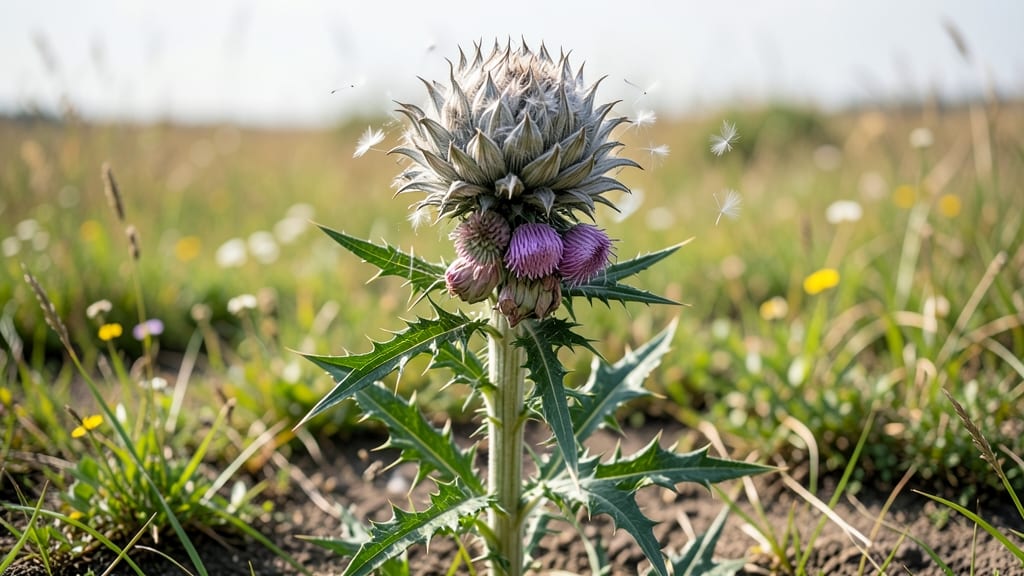
Thistle seed heads turn your garden into a drought-proof sculpture garden that thrives when others fail. 🌿 I first spotted these spiky, architectural beauties in a wildflower meadow and immediately saw their potential—tough as nails, effortlessly stylish, and perfect for filling gaps in late-season borders.
They’re the unsung heroes of winter interest, standing tall when most perennials have bowed out. The deep purple, rust, or silver hues catch the light like stained glass, and they pair beautifully with ornamental grasses or late-blooming coneflowers. No fussing required—they self-seed reliably and handle heat and drought like champions.
You’ll end up with textured, dramatic focal points that last from summer through winter. Dry them for floristry or leave them standing—they’re equally stunning in both roles. The only "maintenance" is occasional deadheading to keep them looking intentional. Perfect for cottage gardens, modern landscapes, or even urban courtyards.
Here’s how to work them into your design without overthinking it.
📚 In This Guide
- What you need
- Instructions
- Tips and common mistakes
- Wrapping up and next steps
What you need
- ● Thistle seed heads: Purchase Echinacea purpurea or Cirsium species seeds (e.g., Cirsium altissimum or Cirsium vulgare) from a trusted supplier. Aim for 1–2 lbs per 100 sq ft for optimal coverage.
- ● Wildflower meadow soil: Well-draining, slightly alkaline soil (pH 6.5–7.5). Amend heavy clay with compost or sand if needed.
- ● Watering can or hose: With a gentle spray nozzle for even moisture distribution.
- ● Garden gloves: To protect your hands from prickly stems and seeds.
- ○ Broadcast spreader (optional but helpful): For even seed distribution over large areas.
- ● Pruners or shears: For trimming existing vegetation (sterilize blades with rubbing alcohol first!).
- ● Straw or mulch: Lightweight straw mulch (1–2 inches) to retain moisture and deter weeds.
- ● Drought-resistant companion plants: Pair with yarrow, black-eyed Susans, or bee balm for a pollinator-friendly mix.
- ● Pest deterrents: Neem oil or row covers if slugs or rabbits are a concern in your area.
- ● Notebook & pen: To track planting dates, rainfall, and seedling progress!
Step-by-Step guide for cultivating thistle seed heads in wildflower meadows
These striking ornamental plants thrive with minimal care—here’s how to integrate them naturally into your drought-resistant landscape.
🌱 Step 1: Select the Right Thistle Species for Your Climate
Choose native thistle varieties suited to your hardiness zone—Perennial Thistle (Cirsium) or Cotton Thistle (Onopordum) are excellent drought-tolerant options. I always verify species compatibility with local ecosystems to prevent invasive spread. Look for seed heads that match your meadow’s color palette: deep purples, silvers, or even chartreuse for contrast.
Purchase seeds from reputable wildflower suppliers or collect them from established plants in late summer when heads turn woody. Store seeds in a cool, dry place until spring planting. If using wild-collected seeds, ensure they’re from non-invasive populations to protect your local ecosystem.
☀️ Step 2: Prepare the Soil and Planting Site
Thistles thrive in poor, well-drained soil with full sun exposure—they despise soggy roots. Clear the area of competing weeds, then lightly rake the soil to create a loose seedbed. No need for fertilization; these plants evolved in nutrient-scarce environments. I often plant mine in sandy or rocky soil where other perennials struggle.
Scatter seeds thinly across the prepared area—¼ inch deep at most—since thistles self-sow prolifically. Lightly cover with a thin layer of soil or leave exposed if birds aren’t a concern (they love fresh thistle seeds). Water gently but infrequently; overwatering at this stage can prevent germination. Aim for moist but never wet soil until seedlings appear.
💧 Step 3: Establish and Maintain Minimal Watering
Once seedlings emerge—typically within 10-14 days—reduce watering to once every 2-3 weeks unless experiencing extreme drought. Thistles store water in their deep taproots, making them exceptionally resilient. You’ll know they’re thriving when new rosettes form tightly packed around the base without leggy growth.
Mulch lightly with straw or leaf litter to suppress weeds and retain moisture, but avoid thick layers that could smother emerging shoots. In the first growing season, watch for yellowing lower leaves—this often signals overwatering rather than drought. Adjust your schedule accordingly, as thistles rarely show stress from too little water.
✂️ Step 4: Encourage Seed Head Development and Natural Spread
Allow seed heads to mature fully—cutting them back in early spring promotes stronger stems for the next season. I leave 20-30% of plants uncut each year to ensure natural reseeding. When heads turn woody and brown, they’re ready for harvest or to remain as winter interest. Deadhead spent blooms in early summer to redirect energy into robust foliage growth for next year.
Thistles self-sow aggressively, so monitor their spread if containment is a concern. In established meadows, they’ll fill gaps naturally without additional planting. For controlled areas, collect seeds in late summer by enclosing flowering stems in paper bags—shake gently when heads dry to release seeds for future planting.
🪴 Step 5: Integrate with Companion Plants for Year-Round Interest
Pair thistles with grasses, sedums, or ornamental grasses to create texture contrast. Their vertical seed heads (often 3-6 feet tall) provide dramatic backdrops for lower-growing perennials. I plant them alongside Russian sage or lavender for a Mediterranean-inspired meadow that thrives on neglect.
In late fall, leave some seed heads standing for winter structure—they’re stunning against snow. Cut others down in early spring to make room for new growth. Thistles are deer-resistant, so they’re ideal for problem areas. With minimal intervention, they’ll become the star attraction of your drought-tolerant landscape.
Tips & tricks for perfect thistle seed head cultivation
These hardy plants reward patience with dramatic beauty—here's how to maximize their potential without the fuss.
Species Selection: When choosing between Perennial Thistle (Cirsium) and Cotton Thistle (Onopordum), consider your climate's hardiness zone and mature height needs. I've found Cotton Thistle's towering stems (often 6+ feet) create stunning vertical accents, while Perennial Thistle's lower profile (3-4 feet) blends better with shorter meadow companions. Always verify local regulations before planting—some regions restrict invasive species, and thistles can spread aggressively when unchecked.
Timing Secret: The 10-14 day germination window mentioned in Step 3 is your best indicator of success. To speed up emergence, soak seeds overnight before planting—this mimics natural spring rains. Place a clear plastic dome or row cover over newly seeded areas to maintain humidity without smothering shoots. Remove it once seedlings appear to prevent fungal issues from excess moisture.
Watering Wisdom: That "moist but never wet" guideline in Step 2 is crucial—thistles despise soggy conditions. I've seen seedlings rot within days when planted in low-lying areas where water pools. For container growing, use pots with drainage holes and elevate them on saucers to prevent root suffocation. Once established, their deep taproots make them nearly drought-proof, but young plants need consistent moisture to develop strong root systems.
Companion Planting: The Russian sage and lavender pairing in Step 5 works beautifully because these Mediterranean plants share similar water needs and thrive in poor soil. For a wildflower meadow aesthetic, interplant with native grasses like switchgrass or blue grama. These combinations create layered textures while reducing maintenance—grasses suppress weeds naturally, and thistles provide dramatic vertical contrast that catches the eye from a distance.
Pro Tips for Thistle Seed Heads
- These hardy plants reward patience with dramatic beauty—here's how to maximize their potential without the fuss.
- Species Selection: When choosing between Perennial Thistle (Cirsium) and Cotton Thistle (Onopordum), consider your climate's hardiness zone and mature height needs.
- Timing Secret: The 10-14 day germination window mentioned in Step 3 is your best indicator of success.
Frequently asked questions
Got questions about thistle seed heads? You’re not alone! Whether you’re a gardener, landscaper, or just curious about these striking plants, here are some of the most common queries—plus straightforward answers to help you grow with confidence.
Are thistle seed heads invasive or harmful to gardens?
Most thistle seed heads (like globe thistle or Scotch thistle) are not aggressive invaders—they self-seed but rarely spread uncontrollably. However, Musk thistle is considered invasive in some regions. Always check local regulations before planting! For wildflower meadows, they’re a drought-tolerant, pollinator-friendly addition.
How long does it take for thistle seed heads to form after planting?
Thistle seed heads typically emerge 60–90 days after planting, depending on species and growing conditions. Globe thistle, for example, blooms in mid-to-late summer, while Scotch thistle may take slightly longer. Patience pays off—these dramatic structures are worth the wait!
Can I grow thistle seed heads in containers or small gardens?
Many thistle varieties thrive in containers (12"+ diameter) or small garden beds, especially if pruned back after flowering. Dwarf varieties like Echinops ritro are ideal for tight spaces. Just ensure they get full sun (6+ hours/day) and well-draining soil.
Do thistle seed heads attract pests like aphids or beetles?
While thistles are pollinator magnets (bees, butterflies, and birds love them!), they’re not typically pest magnets. However, heavy aphid infestations can occur in dry conditions. Solution: Spray with water or introduce ladybugs. Healthy plants with good airflow resist pests best!
What’s the best way to remove thistle seed heads after they’ve dried?
Once seed heads fade, cut them at the base with pruners or shears to tidy up. For wildflower meadows, leave some to decompose naturally—this enriches soil. Wear gloves! Thistle spines are sharp. Pro tip: Dry seed heads make stunning floral arrangements or rustic decor.
Wrapping up and next steps
Thistle seed heads are a game-changer for wildflower meadows—adding bold texture, drought resilience, and year-round interest with minimal effort! 🌿 Whether you're a seasoned gardener or just starting, their hardy nature and striking appearance make them a must-have for low-maintenance landscapes.
Ready to transform your space? Start small: plant a few seed heads this season, observe their growth, and expand your meadow over time. Your future pollinators—and your eyes—will thank you!