
Lawn
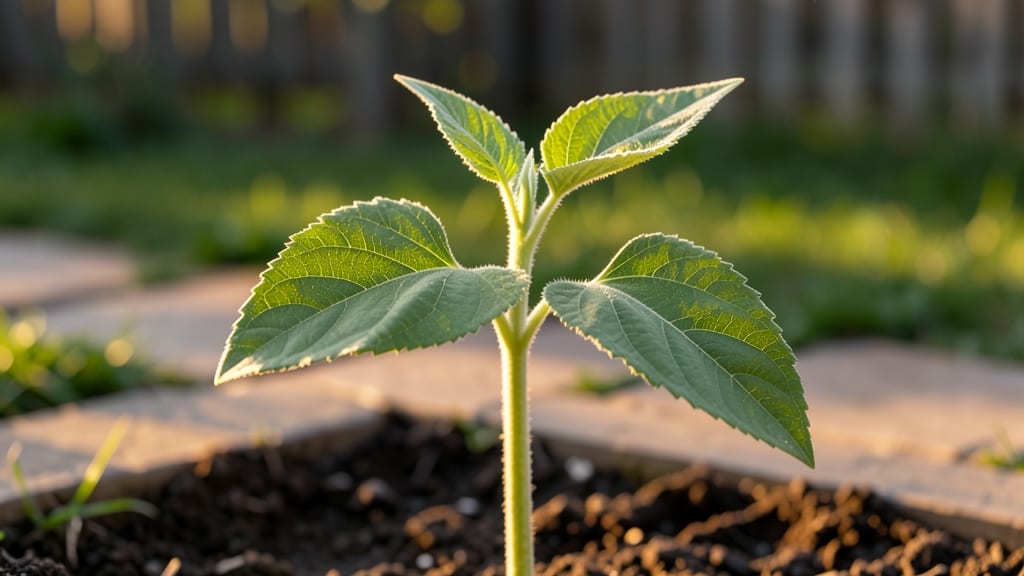
A seed in the sun transforms a patch of dirt into a riot of color that lasts all summer. 🌻 The secret to that nonstop bloom isn't complicated—it's choosing the right sun-loving annuals and giving them what they crave: 6+ hours of direct sunlight every day.
My front garden used to be a sad stretch of brown until I swapped out shade-tolerant plants for these heat-hugging beauties, and now it's the neighborhood's brightest spot.
Think zinnias that bounce back after rain, marigolds that repel pests while they bloom, or salvias that hum with bees from morning till dusk. These aren't just pretty faces—they're tough, thirsty plants that thrive when others wilt.
The key is matching their sun needs to your space: full sun for bold blooms, partial shade for delicate petals, and reflective surfaces (like light-colored mulch) to keep roots cool.
By mid-July, you'll have a garden that looks like it belongs in a postcard—vibrant, fragrant, and buzzing with life. The best part? These plants keep producing flowers until frost, so you get months of color without constant deadheading. Even my black thumb can't kill these sun-seekers once they get going.
Works for containers, borders, or even sunny windowsills (yes, some annuals thrive indoors too). Here's how to pick the perfect mix for your space and climate—no green thumb required, just a little sunshine.
📚 In This Guide
- What you need
- Instructions
- Tips and common mistakes
- Wrapping up and next steps
What you need
- ● Sun-loving annual seeds: Choose from 3-5 varieties (e.g., Zinnias, Sunflowers, Marigolds, Cosmos, or Portulaca). Aim for 2-3 packets (each packet typically contains 100-500 seeds).
- ● Well-draining potting mix or garden soil: 5-10 gallons (for containers) or prep your in-ground beds with 2-3 inches of compost mixed into the topsoil.
- ● Containers or garden beds: Containers: 3-5 pots (6-12 inches in diameter) with drainage holes.
- ● Garden beds: A sunny spot with 6+ hours of direct sunlight daily and space for plants to spread (check seed packet spacing guidelines).
- ● Watering can or hose with a gentle spray nozzle: For consistent moisture without disturbing seeds.
- ● Plant labels: 10-15 (to track varieties and planting dates).
- ● Seedling trays or biodegradable pots: For starting seeds indoors (if desired).
- ● Garden gloves: To protect hands while handling soil or seeds.
- ● Mulch (straw or shredded leaves): 1-2 inches to retain moisture and suppress weeds.
- ● Fertilizer (balanced 10-10-10 or slow-release granules): A small bag (5-10 lbs) to boost growth.
- ● Pruning shears: For deadheading spent blooms and encouraging more flowers.
- ○ Sunlight meter (optional): To confirm your space gets enough light (aim for 6000+ lux).
Step-by-step instructions for planting sun-loving annuals
Here's how to turn your sunny garden patch into a vibrant, continuous bloom show all season long.
🌱 Step 1: Choose and Prepare Your Planting Site
Select a location that receives at least 6-8 hours of direct sunlight daily. Most sun-loving annuals thrive in full sun, but some varieties like zinnias and marigolds can tolerate slightly lighter conditions. Clear the area of weeds and rocks, then loosen the soil to a depth of 12 inches using a garden fork or tiller.
Amend the soil with 2-3 inches of compost to improve drainage and fertility. Sun-loving plants prefer well-draining soil—if your garden tends to stay soggy, mix in a handful of perlite or coarse sand per square foot. Work the compost into the top 6 inches of soil, breaking up any clumps to create a loose, crumbly texture perfect for root growth.
☀️ Step 2: Select and Plant Your Annuals
Choose annuals known for their heat tolerance and long bloom cycles, such as zinnias, sunflowers, marigolds, or cosmos. Plant seeds or transplants according to the spacing guidelines on the seed packet or plant tag—typically 6-12 inches apart for most sun-loving varieties. For example, zinnias need about 8-12 inches of space, while marigolds can be planted closer together at 6-8 inches.
Dig holes slightly deeper than the root ball of your transplants or about twice the depth of the seed for direct sowing. Gently place each plant or seed in the hole, then cover with soil and press lightly to secure. Water immediately after planting to settle the soil and remove any air pockets around the roots. This ensures strong root establishment and encourages vigorous growth.
💧 Step 3: Water and Mulch for Continuous Blooms
Water deeply right after planting to encourage roots to grow downward. Aim for 1 inch of water per week, delivered either through rainfall or irrigation. During the first few weeks, water more frequently—about 2-3 times per week—to keep the soil consistently moist but not waterlogged. Sun-loving annuals are drought-tolerant once established, but they need consistent moisture to develop strong roots and abundant blooms.
Apply a 2-3 inch layer of mulch around each plant, keeping it a few inches away from the stems to prevent rot. Use organic mulch like straw or shredded leaves, which will also improve soil fertility as they break down. Mulching helps retain soil moisture, regulates temperature, and suppresses weeds—all critical for keeping your sun-loving annuals thriving and blooming nonstop.
✂️ Step 4: Prune and Deadhead for Longer Blooms
Regularly deadhead spent blooms by pinching off the faded flowers with your fingers or using clean pruning shears. This encourages the plant to produce more flowers instead of focusing on seed development. For zinnias and sunflowers, you can also trim back leggy stems to promote bushier growth. Always cut just above a set of healthy leaves or a lateral bud to stimulate new growth.
Monitor your plants for signs of stress, such as yellowing leaves or wilting, which can indicate overwatering or underwatering. Adjust your watering schedule as needed—sun-loving annuals often need less water once established, especially in hot, dry weather. Fertilize lightly every 4-6 weeks with a balanced, water-soluble fertilizer to support continuous blooming.
Tips & tricks for perfect sun-loving annuals
Transforming your garden into a nonstop floral display starts with these pro strategies—each one designed to help your sun-loving annuals thrive from the very first planting.
Sunlight Optimization: While most annuals need 6-8 hours of direct sunlight, some like zinnias and marigolds can handle slightly less. If your garden has partial shade, position taller varieties like sunflowers on the sunny side to provide natural shade for shorter plants below. I've seen zinnias bloom beautifully with just 5 hours of sunlight when planted strategically near taller neighbors.
Soil Prep Secret: The 2-3 inches of compost we recommend isn't just about nutrients—it's about creating the perfect air-to-soil ratio. For heavy clay soils, mix in perlite at a 1:1 ratio with compost to improve drainage dramatically. I learned this the hard way after watching my first batch of cosmos struggle in compacted soil—now I always test drainage by pressing a handful of soil in my palm.
Planting Depth Precision: When planting seeds twice their depth, use your finger to create a small pocket rather than pressing hard with your hand. This prevents seeds from being buried too deeply, which can delay germination. For larger transplants, dig holes just deep enough to cover the root ball completely—no more, no less—to avoid stem rot from over-deep planting.
Mulching Mastery: That 2-3 inch layer of mulch serves three critical purposes: moisture retention, weed suppression, and temperature regulation. I've found straw works best because it breaks down slowly while allowing water to penetrate. Always keep mulch 2 inches away from stems to prevent rot—this small detail makes a huge difference in plant health.
Pro Tips for A Seed In The Sun
- Transforming your garden into a nonstop floral display starts with these pro strategies—each one designed to help you...
- Sunlight Optimization: While most annuals need 6-8 hours of direct sunlight, some like zinnias and marigolds can hand...
- Soil Prep Secret: The 2-3 inches of compost we recommend isn't just about nutrients—it's about creating the perfect a...
Frequently asked questions
Got questions about growing sun-loving annuals that keep blooming all summer?
You’re not alone! Here are answers to the most common queries to help you cultivate a vibrant, low-maintenance garden that thrives in the heat.
What are the easiest sun-loving annuals for beginners?
Start with zinnia, marigold, or cosmos—they’re drought-tolerant, fast-growing, and bloom prolifically with minimal fuss. Petunias and geraniums are also great for hot climates and add bold color effortlessly. Just ensure they get 6+ hours of direct sun daily!
How quickly will these plants start blooming?
Most sun-loving annuals like zinnia and marigold sprout in 7–14 days and burst into flowers in 4–8 weeks after planting. Cosmos can be even faster—some varieties bloom in just 6–8 weeks! For instant color, opt for pre-started plants from nurseries.
How often should I water sun-loving annuals?
Water deeply 2–3 times per week (or daily in extreme heat) to encourage strong roots. Mulch around the base (like straw or shredded bark) to retain moisture and keep soil cool. Avoid overhead watering—it can cause fungal issues. Early morning is the best time to water!
What should I do if my annuals stop blooming?
Overcrowding, lack of nutrients, or too much shade can stunt blooms. Deadhead spent flowers regularly to encourage more blooms, and fertilize lightly with a balanced, water-soluble formula every 2–3 weeks. If pests (like aphids) are present, spray with neem oil or insecticidal soap.
Can I grow these annuals in containers or just in the ground?
Many sun-loving annuals thrive in containers, hanging baskets, or window boxes. Use well-draining soil and pots with drainage holes. Petunias and geraniums are top picks for containers—they spill over edges beautifully. Just ensure containers get plenty of sunlight and water more frequently than ground-planted flowers.
Wrapping up and next steps
A seed in the sun isn’t just a dream—it’s a thriving reality with the right annuals! From vibrant zinnias to cheerful sunflowers, these sun-loving plants turn your garden into a nonstop summer spectacle with minimal effort. Whether you're a seasoned gardener or just starting, the key is consistent care and joyful experimentation—let your outdoor space shine as brightly as these blooms.
🌱 Ready to take the next step? Grab your gloves, pick your favorites, and plant that seed! Start small—even a single pot or patch can make a difference. Watch your garden transform, and soon, you’ll be the neighborhood’s go-to for sun-soaked beauty.