Lawn
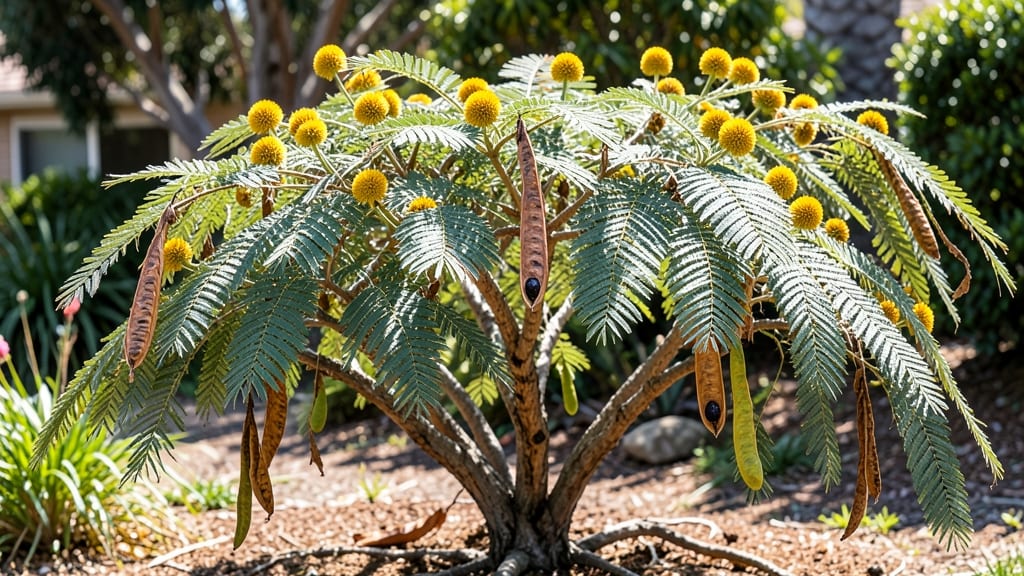
Acacia seed pods hold the key to next year’s golden blooms—if you know how to coax them open. 🌱 I’ve cracked the code after years of watching my Acacia koa pods sit stubbornly closed, refusing to sprout.
The secret? A mix of timing, scarification, and patience that turns these tough little pods into thriving young trees.
You’ll need just a few supplies: a heavy hammer or sandpaper for scarification, a shallow tray for soaking, and well-draining soil mix. Most acacias—like the fragrant Acacia dealbata or the hardy Acacia koa—respond best to a quick soak followed by a gentle nick on the pod’s tough shell.
Plant them shallowly, barely covering the seed, and keep the soil lightly moist but never soggy.
Within 4-8 weeks, you’ll see those first pale green shoots pushing through, followed by the iconic fern-like foliage. The payoff? A tree that thrives in full sun, handles drought once established, and fills your yard with delicate yellow or golden blooms by spring.
Even in smaller spaces, acacias deliver drama without the fuss of pruning.
Works for both ornamental gardens and ecological restoration—just adjust your planting zone. Coastal areas love Acacia dealbata’s salt tolerance, while inland gardeners can’t beat Acacia koa’s resilience. Let’s get those pods sprouting!
📚 In This Guide
- What you need
- Instructions
- Tips and common mistakes
- Wrapping up and next steps
What you need
- ● Acacia seed pods: Fresh or dried (ensure they’re fully mature and slightly cracked for best results). Aim for at least 10-15 pods to account for germination variability.
- ● Scissors or pruning shears: Sharp and clean for opening pods (sterilize with rubbing alcohol if reusing).
- ● Paper towels or coffee filters: 2-3 sheets per batch of seeds to absorb moisture without suffocating them.
- ● Spray bottle (16 oz): With room-temperature water for gentle hydration.
- ● Plastic zip-top bags (quart-sized): 1-2 per batch to create a mini greenhouse effect.
- ● Seed-starting mix: Lightweight, sterile potting soil (avoid garden soil—it’s too dense!). A 5-gallon bag should suffice for small batches.
- ● Small pots or seed trays: 2-4 inches deep, with drainage holes (4-6 trays for 15 pods).
- ○ Plastic wrap or clear lid: To retain humidity (optional but helpful for slower germinators).
- ● Heating mat: Set to 75–85°F to speed up germination (acacia seeds love warmth!).
- ● Humidity dome: A clear plastic cloche or DIY version with a jar and lid.
- ● Grow lights: LED or fluorescent (12–16 hours/day) if natural light is limited.
- ● Label markers & tags: To track seed varieties and planting dates.
- ● Fungicide (mild): Like hydrogen peroxide (3%) or a commercial seed treatment to prevent mold.
Step-by-step instructions for germinating Acacia seed pods
Here's the method I've refined over years to break acacia dormancy reliably.
🌱 Step 1: Harvest and Prepare the Seed Pods
Collect pods when they're fully brown and dry but still intact—green pods won't germinate. I like to work on a clean tarp to catch the tiny seeds. Open each pod carefully with pliers, then separate the seeds from the chaff. Acacia seeds are hard-coated, so don't wash them—the natural oils protect against rot.
Spread the seeds on a paper towel to air-dry for 24 hours. This prevents mold when we soak them later. I keep them in a single layer so they dry evenly. If humidity's high, use a fan on low setting to speed drying without damaging the seeds.
💧 Step 2: Soak to Break Dormancy
Fill a bowl with lukewarm water (not hot) and add the seeds. They need 24-48 hours of soaking to soften that tough outer shell. Stir them gently once or twice daily to prevent mold. You'll know it's working when the water takes on a faint golden tint from the seed oils.
After soaking, drain and rinse the seeds thoroughly. This removes excess oils that could inhibit germination. I use a fine-mesh strainer to avoid losing any seeds. Pat them dry with a paper towel—don't rub, or you'll damage the delicate seed coat.
⏰ Step 3: Stratify for Consistent Germination
Mix the prepared seeds with slightly damp sphagnum moss in a sealed container. Place this in your refrigerator's crisper drawer where temperatures stay 35-40°F for 4-6 weeks. This cold stratification mimics winter conditions and signals the seeds it's safe to grow.
Check the moss weekly—it should stay moist but not soggy. If it dries out, mist lightly with water. After 4 weeks, transfer the container to room temperature (65-75°F) for another 2 weeks. This warm-up period triggers the final germination cues.
🌿 Step 4: Sow in Germination Medium
Fill small pots with a mix of 50% perlite and 50% peat moss—this lightweight blend prevents damping-off while allowing airflow. Plant seeds ½ inch deep in the mix, spacing them 1 inch apart. Cover the pots with clear plastic wrap to maintain humidity, but leave a small gap for airflow.
Place the pots under grow lights set to 12 hours daily at 70-75°F. Germination typically takes 2-4 weeks, but some stubborn seeds may take up to 8 weeks. Keep the medium consistently moist—never soggy. You'll see tiny green sprouts pushing through first, followed by the first true leaves.
☀️ Step 5: Transplant and Care for Young Seedlings
Once seedlings develop 2-3 sets of true leaves (not the initial seed leaves), transplant them to individual 3-inch pots with standard potting mix. Handle them gently—their roots are delicate. Place them under bright indirect light for 1 week before introducing direct sun.
Water from the bottom to encourage strong root development. Acacia seedlings need well-draining soil—never let them sit in water. After 3 months, you can transplant to the ground or larger containers. Real talk: acacias grow slowly at first, but patience pays off with those iconic blooms.
Tips & tricks for perfect Acacia seed germination
Acacia seeds are stubborn little things—here's how to turn that challenge into reliable success.
Pod Selection: Only use pods that are completely dry and brown—green or partially dried pods won't break dormancy. The key is that they should feel brittle when gently squeezed, but not crumble apart. I've tried forcing green pods, and they either rot during soaking or never sprout. Save yourself the frustration and stick with fully mature pods only.
Soaking Strategy: The 24-48 hour soak is your first critical step—don't rush it! I've found that seeds soaked for exactly 24 hours often need a little extra coaxing, while the 48-hour mark gives the most consistent results. You'll know it's working when the water develops that faint golden tint from the seed oils. If you see any white fuzz developing, that's mold—drain and rinse immediately.
Stratification Timing: That 4-6 week cold period in Step 3 is non-negotiable for acacias. The seeds need this simulated winter to break their dormancy cycle. I've had better luck with the full 6 weeks, especially if your climate has mild winters. After the 4 weeks at 35-40°F, don't be tempted to rush the warm-up period—those final 2 weeks at room temperature are when the seeds make their final push toward germination.
Lighting Insight: The 12 hours of grow light daily creates that perfect balance between growth and stress. Too much light can actually inhibit germination, while too little causes leggy, weak seedlings. I use LED grow lights on a timer—no need for expensive equipment. Just position them about 6 inches above the pots and adjust as the seedlings grow. You'll notice the sprouts reaching toward the light within days of proper setup.
Pro Tips for Acacia Seed Pods
- Acacia seeds are stubborn little things—here's how to turn that challenge into reliable success.
- Pod Selection: Only use pods that are completely dry and brown—green or partially dried pods won't break dormancy.
- Soaking Strategy: The 24-48 hour soak is your first critical step—don't rush it!
Frequently asked questions
Got questions about growing acacia seed pods? You’re not alone! Here are some of the most common queries—plus quick, practical answers to help you succeed.
How long does it take for acacia seed pods to germinate?
Germination can take anywhere from 2 weeks to 3 months, depending on the species and conditions. Some varieties (like Acacia koa) sprout faster with warm soil (70–85°F), while others need stratification or scarification. Patience is key—keep the soil moist and monitor progress!
Do acacia seed pods need cold treatment (stratification) to germinate?
It depends! Many acacia species, like Acacia dealbata, benefit from stratification (30–90 days in a damp, cold environment) to break dormancy. Others, such as Acacia melanoxylon, germinate better without it. Test a few seeds—some may sprout naturally if soaked in warm water first.
Can I grow acacia seed pods indoors before transplanting outdoors?
Start seeds in well-draining pots with a mix of perlite and potting soil. Place them near a sunny window or under grow lights (12+ hours/day). Once seedlings are 3–4 inches tall, harden them off outdoors over 1–2 weeks before transplanting in spring or fall.
What should I do if my acacia seed pods aren’t sprouting?
Try these troubleshooting steps:
- Check moisture: Overwatering can rot seeds; underwatering halts growth. Aim for consistently damp (not soggy) soil.
- Test viability: Cut open a pod—if the seed inside is hard and intact, it’s likely viable. Soft or moldy seeds won’t sprout.
- Adjust conditions: Some species need direct sunlight; others prefer partial shade. Move your tray if needed.
- Try scarification: Lightly sand or nick the seed coat to help water penetrate.
Are acacia seed pods toxic to pets or wildlife?
Most acacia seed pods and plants are non-toxic to pets and wildlife, but some species (like Acacia farnesiana) may cause mild stomach upset if ingested in large quantities. Always monitor pets near new plants, and research your specific acacia variety for safety.
Wrapping up and next steps
From soaking to sowing, mastering acacia seed pod germination is your ticket to vibrant blooms next season! 🌱 These resilient pods hold the key to transforming your lawn into a lush, thriving oasis—just follow the steps and patience we’ve shared.
Whether you’re a seasoned gardener or a curious beginner, your green thumb is ready to shine.
Ready to take the next step? Grab your seeds, roll up your sleeves, and plant with confidence! Start small, track your progress, and soon, you’ll be rewarded with stunning acacia blooms that’ll make your neighbors green with envy. Happy gardening! 🌸