Propagation
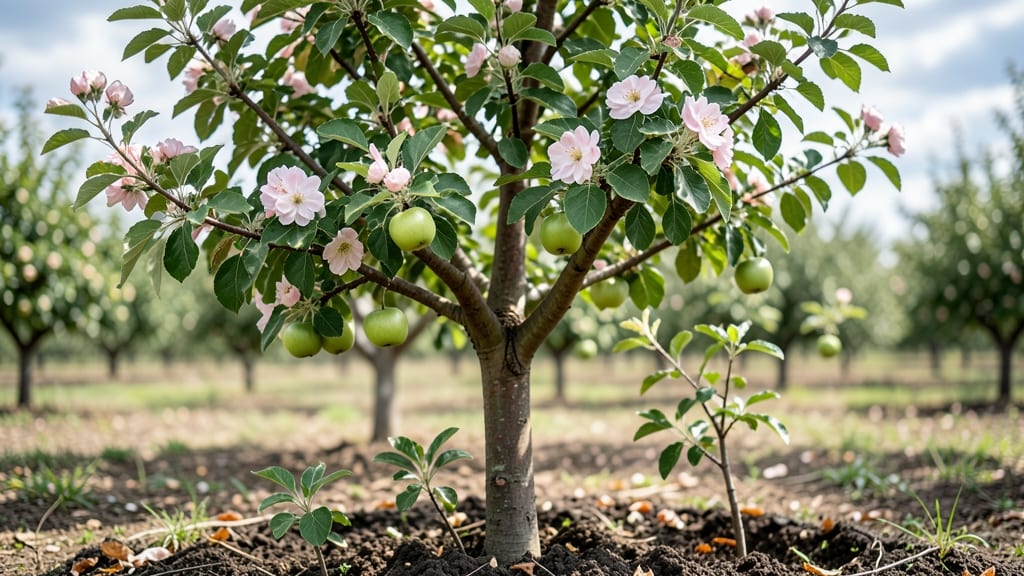
Growing an apple tree from seed to fruit is the ultimate gardening adventure—just don’t expect that perfect Granny Smith. 🌱 The journey from a tiny seed to a tree bearing its own quirky apples takes patience, but the process itself is fascinating, especially when you understand how to coax each stage along.
First, you’ll need a fresh apple seed (not store-bought, those are treated), a warm spot to germinate it, and a sunny backyard for the long haul. The seedling stage is slow—think years before fruit—but each step builds excitement.
Pruning, pollination, and soil care become your new obsessions as you watch the tree grow.
By year 5 or 6, you might finally get fruit, though it’ll likely taste different from the parent apple. That’s the trade-off for the thrill of growing something entirely your own. The real reward? A tree that’s uniquely yours, with apples that tell its own story.
This method works best in zones 4-8, but even in smaller spaces, you can grow a dwarf variety. The key is consistency—watering, pruning, and a little luck with pollinators. Ready to plant that seed and start the countdown?
📚 In This Guide
- What you need
- Instructions
- Tips and common mistakes
- Wrapping up and next steps
What you need
- ● Apple seeds: 3–5 fresh, organic seeds (from a non-hybrid apple variety for best results). Pro tip: 💡 Save seeds from heirloom or disease-resistant apples if possible!
- ● Potting soil: 1–2 bags of high-quality, well-draining potting mix (look for "seed starting" or "organic" blends).
- ● Small pots or seed trays: 4–6 biodegradable pots (3–4 inches deep) or a seed tray with cell inserts.
- ○ Grow lights or sunny windowsill: A seedling heat mat (optional but helpful) or a south-facing window with 6+ hours of sunlight.
- ● Spray bottle: For gentle watering (avoid over-saturating seeds!).
- ● Plastic wrap or humidity dome: To create a mini greenhouse effect while seeds germinate.
- ● Fertilizer: A balanced, water-soluble fertilizer (5-10-5 ratio) for seedlings.
- ● Pruning shears: Small, sharp pair for trimming as the tree grows.
- ● Mulch: Organic mulch (e.g., straw or wood chips) to retain moisture and suppress weeds in the garden.
- ● Seed stratification kit (if your climate requires cold treatment for germination).
- ● pH testing kit (to monitor soil acidity—apples prefer slightly acidic soil, pH 6.0–6.5).
- ● Tree supports (stakes or cages) for young saplings in windy areas.
- ● Pest control: Neem oil or insecticidal soap (for aphids or mites).
- ● Grafting tools (if you later want to graft a named variety onto your seedling).
Step-by-step instructions for growing apples from seed to fruit
Here’s how to turn a single apple seed into a thriving tree bearing fruit—it takes patience, but the payoff is incredible.
🌱 Step 1: Extract and Stratify the Seeds
Save seeds from a ripe apple you love—organic, preferably. Cut the fruit open, scoop out the seeds, and rinse them clean. Let them dry on a paper towel for 2-3 days until slightly wrinkled but not hard. This prevents mold during stratification.
Place the seeds in a sealed plastic bag with damp paper towels (not soaking wet). Store them in the fridge for 6-8 weeks. This cold treatment mimics winter, breaking seed dormancy. Check weekly—if mold appears, discard those seeds and dry the rest. You’ll know stratification worked when tiny roots (about ¼ inch long) emerge.
☀️ Step 2: Start Seeds Indoors for Strong Seedlings
Fill 2-3 inch deep pots with sterile seed-starting mix (not garden soil). Plant one seed per pot, ½ inch deep, pressing lightly to ensure good soil contact. Mist the surface with water until moist but not soggy. Place pots in a warm spot (65-75°F)—a seedling heat mat speeds germination.
Cover pots with clear plastic wrap to retain moisture, but remove it daily for 10 minutes to prevent mold. Germination takes 2-4 weeks. Once first true leaves (not the initial seed leaves) appear, move pots to a sunny windowsill or under grow lights (14-16 hours/day). Weak, leggy seedlings mean your light is too far—keep it within 4 inches of the plants.
🌿 Step 3: Transplant and Care for Young Trees
After 4-6 weeks, when seedlings have 3-4 sets of leaves, transplant them into 5-gallon containers or outdoor beds in well-draining soil. Choose a sunny spot (full sun, 6+ hours/day)—apples need light to develop strong branches. Water deeply once a week, letting the soil dry slightly between waterings. Overwatering causes root rot.
Fertilize lightly with balanced 10-10-10 fertilizer every 4-6 weeks in growing season. Prune leggy growth to encourage bushier shapes. By year 3, your tree will flower—but fruit may take 5-10 years. Patience is key! Mulch around the base to retain moisture and protect roots in winter.
⏰ Step 4: Support Pollination and Fruit Development
Apples need cross-pollination—plant a second variety nearby (even different apple types work). Bees do most of the work, but if pollinators are scarce, hand-pollinate with a paintbrush in spring. Thin fruit when small (leave 6 inches between apples) to prevent overcrowding and improve size.
Watch for apple scab or codling moths—spray with neem oil or horticultural oil as needed. In fall, harvest when apples easily separate from the tree and taste sweet. Store in a cool (32-40°F), dark place for months. Save seeds from the best apples to repeat the process!
Tips & tricks for growing apples from seed to fruit
Here's what nobody tells you about nurturing apple seeds into fruit-bearing trees—these tricks make all the difference.
Stratification Success: The 6-8 week fridge cold treatment is non-negotiable for breaking seed dormancy. I learned this the hard way after watching seeds sprout too early and die—always check weekly for mold and replace damp paper towels if they dry out. Those tiny roots emerging after 6 weeks? That's your signal to plant!
Lighting Strategy: For those 14-16 hours of grow light per day, position lights within 4 inches of seedlings to prevent leggy growth. I use LED grow lights on a timer—this mimics summer sunlight perfectly. If you notice seedlings stretching toward the light, they're begging for more intensity or closer placement.
Transplant Timing: Wait until seedlings have 3-4 sets of true leaves before transplanting after the 4-6 week indoor phase. This ensures strong enough roots to handle the move. I mark my calendar 4 weeks after germination to time the transplant perfectly—this gives them just enough time to develop without getting too crowded in their pots.
Pro Tips for Apple From Seed To Fruit
- Here's what nobody tells you about nurturing apple seeds into fruit-bearing trees—these tricks make all the difference.
- Stratification Success: The 6-8 week fridge cold treatment is non-negotiable for breaking seed dormancy.
- Lighting Strategy: For those 14-16 hours of grow light per day, position lights within 4 inches of seedlings to prevent leggy growth.
Frequently asked questions
Got questions about growing apples from seed to fruit? You’re not alone—this process can feel like a mix of patience and magic! Below, we’ve rounded up the most common queries to help you navigate every step with confidence.
How long does it take for an apple seed to grow into a fruit-bearing tree?
Apple trees grown from seed can take 5 to 10 years (or longer!) before producing fruit. This is because the tree must first establish a strong root system and mature. For faster results, consider grafting a known variety onto your seedling later—but be patient with the natural process!
Can I grow an apple tree from any store-bought apple seed?
Technically, yes—but expect surprises! Store-bought seeds are often hybrids, meaning your tree may not produce fruit identical to the parent apple. For predictable varieties, save seeds from heirloom or open-pollinated apples. If you’re curious about genetics, this is a fun experiment!
What’s the best time of year to plant apple seeds?
The ideal time is early spring (just as soil warms) or late fall (before frost sets in). Seeds need consistent moisture and warmth to germinate, so avoid planting in extreme heat or cold. For indoor starts, sow seeds in pots 8–12 weeks before your last frost date.
Why aren’t my apple seeds sprouting? Troubleshooting tips?
If seeds aren’t germinating, try these fixes:
- Stratification: Apple seeds need cold treatment (refrigerate moist seeds in a bag for 4–6 weeks).
- Depth: Plant seeds ½ inch deep—too shallow or deep can hinder sprouting.
- Moisture: Keep soil damp (not soggy) to prevent rot.
- Patience: Some seeds take 2–3 months to break dormancy.
Will my homegrown apple tree produce edible fruit?
Yes—but quality varies! Seed-grown apples may be smaller, tart, or inconsistent in flavor. To improve chances:
- Cross-pollinate with another apple tree (or nearby varieties) for better fruit set.
- Prune young trees to encourage strong branches.
- Fertilize annually with compost or balanced fruit-tree fertilizer.
Wrapping up and next steps
Growing an apple from seed to fruit is a rewarding journey that connects you to nature’s cycles—and yes, it can happen year-round with the right techniques! 🌱 From selecting the perfect seed to nurturing your tree with patience and care, every step is a chance to learn and celebrate the magic of fruit propagation.
Whether you’re a beginner or a seasoned gardener, your efforts will yield sweet, homegrown apples that taste like sunshine and hard work.
Ready to take the next step? Start small: plant one seed today and watch your green thumb grow! Share your progress with fellow gardeners, experiment with different varieties, or even gift a sapling to a friend.
The orchard of your dreams begins with a single seed—so grab your tools and let’s grow something amazing together! 🍏✨