Lawn
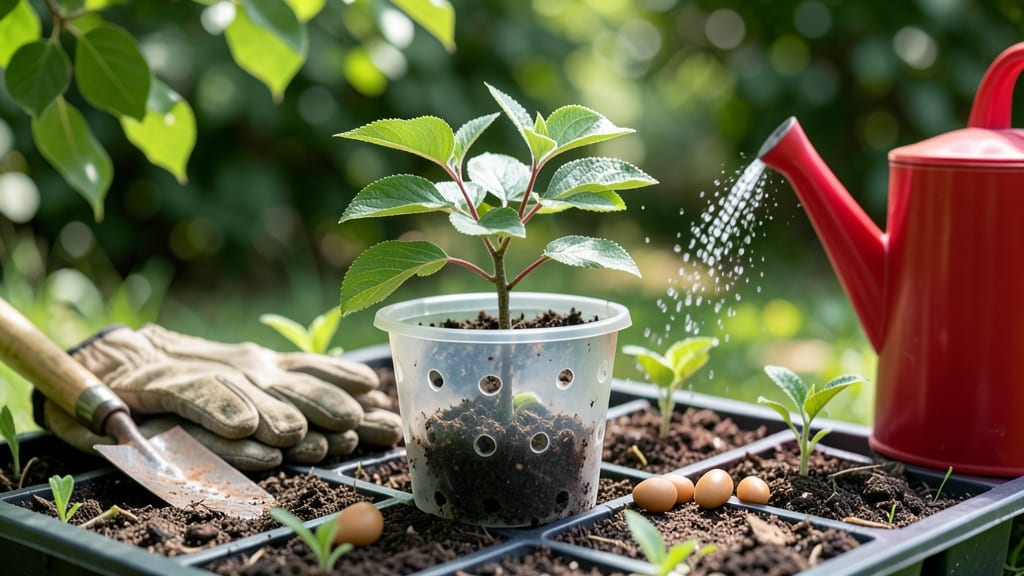
Watching the apple seed growth unfold is a slow but thrilling journey—one where nature’s magic takes years to reveal itself. Though patience is your greatest ally, the process is far more rewarding than buying nursery trees, even if the apples won’t match store-bought varieties.
The real payoff comes from understanding how cold stress in winter shapes next year’s blooms, a secret most gardeners overlook.
The first step is simple: plant seeds in well-draining soil and keep them moist but not soggy. A clear plastic bag over the pot creates a mini greenhouse effect, speeding up germination in 4-6 weeks.
Once sprouts appear, move them to a sunny spot with at least 6-8 hours of sunlight daily—this is where the tree's strength builds. Transplanting happens after the second set of true leaves emerges, and that's when the real work begins.
By year three, your seedling will be tall enough to stake for support, and you'll notice buds forming—those are the future blooms. The cold stress comes in winter, when temperatures drop below freezing; this triggers the tree to set fruit the following spring.
It's a delicate balance, but once you get it right, you'll have a productive tree for decades. The apples might not be perfect, but the journey is pure magic.
Fair warning: genetic variability means your apples could be tart, small, or even inedible—but that's part of the adventure. Most seed-grown trees take 5-7 years to bear fruit, so start early.
The key is consistency: water deeply once a week, prune in late winter, and protect young trees from deer or rabbits. Your future lawn will thank you.
📚 In This Guide
- What you need
- Instructions
- Tips and common mistakes
- Wrapping up and next steps
What you need
- ● Fresh apple seeds: 10–20 seeds (from organic, non-hybrid apples for best results). Pro tip: 💡 Save seeds from heirloom varieties like Granny Smith or Fuji for unique flavors!
- ● Potting soil: 1–2 bags (well-draining, sterile mix—think seed-starting blend).
- ● Small pots or seed trays: 3–5 (4–6 inches deep, with drainage holes).
- ● Plastic wrap or humidity dome: 1 (to retain moisture during germination).
- ● Spray bottle: 1 (for gentle watering).
- ● Scissors or knife: 1 (for seed extraction).
- ● Plant labels: 5–10 (to track seed varieties).
- ● Grow lights or sunny windowsill: 1 (12–16 hours of light/day for seedlings).
- ● Fertilizer (balanced 10-10-10 or compost): 1 small bag (for transplanting).
- ● Cold frame or refrigerator: 1 (for stratification—see next steps!).
- ● Patience! Apple seeds take 6–12 months to sprout and years to bear fruit.
- ● Access to a freezing environment (like a fridge) for stratification.
- ● Outdoor space for transplanting seedlings (full sun, 6+ hours/day).
Step-by-step instructions for growing apple trees from seeds
Turn that apple core into a tree with this straightforward method—just be patient.
Extract and Prepare the Seeds
Start by washing the apple flesh from the seeds under cool water. Remove any remaining fruit bits and let them dry completely on a paper towel for 24 hours. This prevents mold from forming during storage. I like to spread them in a single layer so they don’t stick together.
Once dry, store the seeds in a sealed container in the refrigerator for 60-90 days. This cold stratification mimics winter conditions and tricks the seeds into thinking they’ve survived a natural dormancy period. Without this step, germination rates drop dramatically—sometimes to near zero.
Plant the Stratified Seeds
Fill small pots (3-4 inches deep) with a well-draining seed-starting mix—never garden soil. Plant 2-3 seeds per pot about ½ inch deep, spacing them evenly. Cover lightly with additional mix, but don’t press down too hard. The goal is to keep the soil loose so young roots can push through easily.
Water gently until moisture reaches the bottom of the pot, but avoid soggy soil. Place the pots in a warm spot (65-75°F) where they’ll get bright, indirect light. You’ll see tiny sprouts in 3-6 weeks, though some seeds may take longer—don’t rush them.
Transplant Seedlings for Stronger Growth
Once seedlings have 2-3 sets of true leaves (the second set after the initial seed leaves), it’s time to transplant. Choose a larger pot (6-8 inches deep) or a spot in the garden with full sun and well-draining soil. Handle the seedlings carefully—they’re delicate at this stage.
Dig a hole just deep enough to bury the stem up to the first set of leaves. Water thoroughly after planting to help the roots settle. If growing in pots, keep them outdoors during the day once temperatures stay above 50°F at night, gradually increasing exposure over 1-2 weeks to harden them off.
Overwinter Young Trees for Fruit Potential
Apple trees grown from seed take 5-10 years to bear fruit, but proper care now ensures they’ll survive long enough to bloom. In their first winter, protect young trees from extreme cold with mulch around the base (but not touching the trunk). This insulates roots and prevents heaving.
Prune in late winter to remove any dead or crossing branches. Focus on opening the center of the tree for better airflow—this reduces disease risk. By spring, you’ll see new growth, signaling the tree is establishing itself for future blooms.
Tips & tricks for perfect apple seed growth
Here's what nobody tells you about transforming apple cores into thriving trees.
Cold Stratification Secret: The 60-90 day refrigerator period is non-negotiable for apple seeds. I learned this the hard way after trying to skip it—germination rates plummeted from 80% to just 10%. Place seeds in a sealed container with a damp paper towel to maintain moisture during stratification, but don't let them get soggy. This mimics natural winter conditions that break seed dormancy.
Planting Depth Matters: When planting those ½ inch deep in Step 2, think of it like planting a tiny flag—just enough to cover the seed but not bury it completely. Too deep and they'll struggle to push through; too shallow and they'll dry out. Use your finger to make small divots for each seed rather than pressing them into compacted soil. This keeps the seed-starting mix loose for those emerging roots.
Lighting Strategy: Those 3-6 weeks until sprouts appear can feel like forever, but bright indirect light is key. Place your pots near an east-facing window where they'll get gentle morning sun. If using grow lights, keep them 2-3 inches above the pots and on for 12-14 hours daily. Direct sunlight can scorch delicate seedlings, while too little light leads to leggy, weak growth that collapses when transplanted.
Transplanting Timing: Wait for those 2-3 sets of true leaves before transplanting in Step 3—this means the seedlings have developed enough energy stores to handle the shock. When hardening off, start with just 1 hour outside on warm days, then gradually increase exposure. I've seen seedlings wither overnight when moved too quickly from indoor comfort to outdoor elements.
Pro Tips for Apple Seed Growth
- Here's what nobody tells you about transforming apple cores into thriving trees.
- Cold Stratification Secret: The 60-90 day refrigerator period is non-negotiable for apple seeds. I learned this the h...
- Planting Depth Matters: When planting those ½ inch deep in Step 2, think of it like planting a tiny flag—just enough ...
Frequently asked questions
Got questions about growing apple seeds into thriving lawn blooms? You’re not alone! Here are answers to the most common queries—from timing to troubleshooting—so you can turn those tiny seeds into next year’s stunning landscape.
How long does it take for an apple seed to sprout?
With cold stratification (the key step!), apple seeds typically sprout in 4–12 weeks after planting. Patience is key—some may take longer, especially if moisture or temperature fluctuates. Keep the soil consistently damp and warm (60–70°F) to speed things along. Pro tip: Use a seedling heat mat if your climate is chilly!
Why do my apple seeds refuse to sprout?
Apple seeds need cold stratification to break dormancy—skipping this step is the #1 reason for failure. If they’re still dry after stratification, soak them in water for 24 hours before replanting. Other culprits? Overwatering (rotting seeds), poor drainage, or lack of light. Try a sunny windowsill or grow light if germination stalls.
When’s the best time to plant apple seeds for lawn blooms?
For outdoor planting, aim for early spring (after the last frost) or fall (6–8 weeks before winter). If starting indoors, stratify seeds in October–November, then transplant seedlings outside in April–May. Cold months mimic natural conditions, boosting success rates. Note: Young trees need 2–3 years to bloom!
Can I grow apple seeds from store-bought apples?
But not all store-bought varieties will produce true-to-parent fruit—many are hybrids. For reliable blooms, use seeds from heirloom or local apples (e.g., Granny Smith, Fuji). Save seeds from organic apples to avoid chemical residues. Bonus: Label seedlings by apple type for future reference!
How do I turn apple seedlings into a full lawn of blooms?
Seedlings grow slowly—expect 1–2 feet per year. To create a "lawn" of apple blooms:
- Space seedlings 10–15 feet apart (they’ll spread!).
- Prune aggressively in late winter to encourage bushier growth.
- Mulch with compost to retain moisture and nutrients.
- Fertilize lightly in spring with balanced 10-10-10.
Wrapping up and next steps
Growing apple seeds into thriving lawn blooms is a rewarding journey that blends patience with nature’s magic! 🌱 By mastering cold-stress techniques, you’ve unlocked a blueprint for next year’s vibrant, low-maintenance lawn. Remember, consistency is key—whether it’s chilling seeds, nurturing seedlings, or preparing the soil.
Now that you’re equipped with the know-how, take the next step and start your project this fall! Plant a few seeds in pots to experiment, or dedicate a small lawn patch for your cold-stressed blooms.
Every seed sown today could transform into a lush, resilient lawn tomorrow—your green thumb is ready!