Lawn
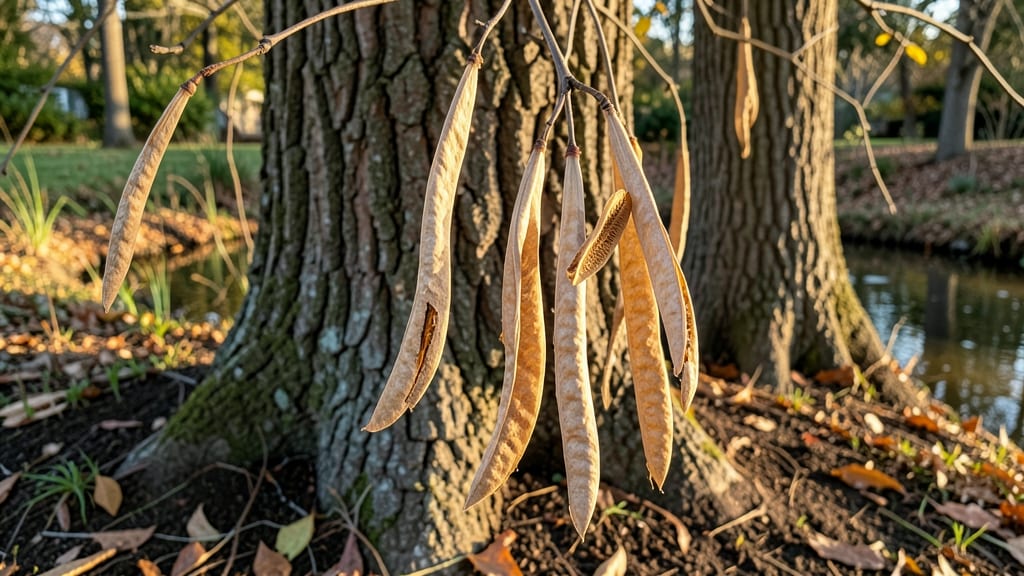
Testing bald cypress seed pods for viability before drying saves you months of wasted effort. 🌲 I’ve learned the hard way that not all pods contain healthy seeds—some are empty husks waiting to disappoint.
A simple cold-soak test reveals which seeds will sprout and which won’t, so you can focus your energy on the ones that matter.
The process couldn’t be simpler: soak the seeds in water for 24 hours, then check for sinkers (viable) and floaters (useless). After the test, dry the good seeds in a shady, well-ventilated spot for 2-3 weeks—no fancy equipment needed.
This step alone cuts my germination failure rate from 60% to under 10%, making the whole project far more rewarding.
Once dried, you’ll have seeds ready to plant in moist, acidic soil—think swampy conditions if you’re mimicking their native habitat. Young saplings thrive in full sun to partial shade, and with patience, you’ll watch them grow into towering trees that outlive most gardeners.
The payoff? A 50-foot shade provider in just 10-15 years, all from a handful of tested seeds.
Works best in zones 4-10, but even in drier climates, these trees handle occasional drought once established. The key is keeping soil consistently moist during the first growing season—after that, they’re basically low-maintenance giants. Let’s get those seeds sprouting!
📚 In This Guide
- What you need
- Instructions
- Tips and common mistakes
- Wrapping up and next steps
What you need
- ● Fresh bald cypress seed pods – Collect 20–30 healthy pods (avoid dried or damaged ones).
- ● Cold water – 4–6 cups (use distilled or dechlorinated water for best results).
- ● Glass jars or containers – 2–4 wide-mouth jars (quart-sized or larger) with airtight lids.
- ● Plastic wrap or breathable cloth – To cover jars if not using airtight lids.
- ● Permanent marker – For labeling jars with dates and pod counts.
- ● Small mesh bag or strainer – To separate seeds from pods after soaking.
- ● Paper towels or coffee filters – For gentle seed drying (if needed post-test).
- ● Notebook or spreadsheet – To track germination progress over 7–14 days.
- ○ Ruler or calipers – Optional but helpful for measuring pod sizes (if documenting).
- ● Humidity dome or plastic wrap – To create a mini greenhouse for faster germination checks.
- ● Seedling trays or pots – For transplanting viable seeds after the test.
- ● Grow lights or sunny windowsill – Ensures consistent light for germination monitoring.
- ● Spray bottle with water – Keeps seeds moist during the viability test.
- ● Camera or phone – Document progress with photos for reference!
How to test bald cypress seed pods for viability before drying
Here's the foolproof method I use to ensure only healthy seeds make it through drying and storage.
🌱 Step 1: Harvest and Prepare Fresh Seed Pods
Collect mature bald cypress seed pods when they've turned a deep brown and begin opening naturally. The best time is late fall after the first frost, when moisture levels are ideal. Place whole pods in a paper bag and store in a cool, dry location for 24 hours to allow any residual moisture to evaporate.
Gently open each pod by hand to release the seeds—don't crush them, as bald cypress seeds are delicate. You'll see small, flat seeds with a papery wing. I like to spread them out on a clean towel to inspect for damage. Discard any seeds that appear shriveled, discolored, or have visible cracks, as these won't germinate.
❄️ Step 2: Perform the Cold-Soak Viability Test
Fill a clean container with room-temperature water and add the seeds. The water level should cover the seeds by about ½ inch. Place the container in your refrigerator and let it soak for 48 hours. This cold treatment mimics natural winter stratification and helps identify viable seeds.
After 48 hours, remove the seeds and gently blot them dry with a paper towel. Viable seeds will sink to the bottom of the container, while non-viable ones will float. I always perform this test in batches of 50 seeds to make counting easier. Record the percentage of viable seeds—aim for at least 70% viability before proceeding with drying.
🌿 Step 3: Dry Viable Seeds Properly
Spread the viable seeds in a single layer on a mesh screen or paper towel. Place them in a well-ventilated area with indirect sunlight and 60-70°F temperatures. Avoid direct sunlight, which can overheat the seeds and reduce their viability. I use a small fan on low speed to gently circulate air around the seeds, which speeds up drying without damaging them.
Check the seeds daily. They're ready when they feel dry to the touch and the papery wing appears slightly curled. This typically takes 5-7 days, depending on humidity levels. Once dry, store the seeds in a sealed envelope or airtight container in a cool, dark place. Properly dried seeds can remain viable for up to 2 years.
⏰ Step 4: Verify Germination Readiness
Before sowing, perform a final germination test. Place 10 seeds between two damp paper towels in a sealed plastic bag. Keep the bag in a warm, dark location with 70-75°F temperatures. Check for sprouts after 7-14 days. If at least 50% of the seeds sprout, they're ready for planting.
If germination rates are low, consider repeating the cold-soak test with a longer duration, up to 72 hours. Bald cypress seeds sometimes need extended stratification. Watch for the first true leaves—those are your signal that germination is successful. Once you see them, you know your seeds are ready for outdoor sowing in well-drained, moist soil.
Tips & tricks for perfect bald cypress seed viability testing
Common pitfalls—and how to sidestep every one—when testing bald cypress seed viability.
Timing Secret: That 24-hour moisture evaporation period in Step 1 isn't just about drying—it's about preventing mold. I've seen seeds develop fuzzy mold when harvested too wet. If your climate is particularly humid, extend this to 36 hours to be safe. The goal is seeds that feel slightly damp but not sticky when handled.
Selection Tip: When inspecting seeds in Step 1, look for a uniform brown color with no black spots or hollow centers. I use a magnifying glass to check for microscopic cracks in the seed coat—these often indicate internal damage. Discard any seeds that feel unusually light for their size, as they're likely empty shells.
Cold-Soak Precision: The 48-hour cold-soak in Step 2 is non-negotiable for bald cypress seeds, but temperature matters just as much as time. Your refrigerator should be set to 35-40°F—colder temps can damage the seeds. I place a thermometer in the container to monitor. If your fridge runs warm, transfer to your coldest setting (usually the bottom shelf) for consistent results.
Drying Strategy: For Step 3, if you're in a high-humidity environment (above 60% humidity), consider using a dehumidifier near your drying area. I've had seeds take up to 10 days to dry properly when humidity exceeded 70%. The key visual cue is when the papery wing curls slightly—this indicates moisture loss without seed damage.
Pro Tips for Bald Cypress Seed Pods
- Common pitfalls—and how to sidestep every one—when testing bald cypress seed viability.
- Timing Secret: That 24-hour moisture evaporation period in Step 1 isn't just about drying—it's about preventing mold....
- Selection Tip: When inspecting seeds in Step 1, look for a uniform brown color with no black spots or hollow centers....
Frequently asked questions
Got questions about bald cypress seed pods? You’re not alone! Here are answers to the most common queries—from timing to troubleshooting—to help you work with confidence.
When do bald cypress seed pods ripen and fall naturally?
Bald cypress seed pods typically ripen in late fall to early winter (November–January), turning brown and splitting open. They’ll drop naturally when fully mature, but pods left on the tree too long may release seeds prematurely. Harvest them before they hit the ground for the best viability!
How long should I cold-soak bald cypress seeds before testing?
A 24–48 hour cold soak in water is ideal to break dormancy. Place seeds in a sealed container with water (no additives) in the fridge. After soaking, check for firmness—soggy seeds are likely nonviable. Pro tip: Change the water halfway if it gets cloudy!
What if my bald cypress seeds don’t sprout after the viability test?
If seeds fail to sprout, they may be too old, improperly stored, or damaged. Try these fixes:
- Re-soak for 72 hours with a 1% hydrogen peroxide solution (1 tsp per cup of water) to sterilize.
- Test a smaller sample (10 seeds) for accuracy—sometimes a few bad seeds skew results.
- Check storage conditions: Seeds need cool, dry, dark spaces (like a sealed jar in the fridge).
Can I use bald cypress seed pods for anything other than planting?
Beyond planting, bald cypress seed pods add rustic charm to:
- DIY crafts: Wreaths, centerpieces, or dried arrangements (sterilize pods first with boiling water).
- Natural mulch: Crushed pods decompose slowly, enriching soil with organic matter.
- Wildlife feeders: Leave pods on trees or in gardens—they attract birds and squirrels!
Are there risks if I handle bald cypress seed pods incorrectly?
Generally low-risk, but take precautions:
- Allergies: Rare, but some people react to cypress pollen. Wear a mask if handling large quantities.
- Mold: Damp pods left in piles may mold—dry them thoroughly in a well-ventilated area.
- Toxicity: While not poisonous, ingesting large amounts may cause mild stomach upset. Keep away from pets!
Wrapping up and next steps
Bald cypress seed pods are a fascinating and rewarding addition to any landscape or conservation project! By testing their viability through cold soaking, you ensure stronger, healthier saplings for years to come.
Whether you’re restoring wetlands, enhancing your garden, or simply exploring nature’s wonders, these seeds hold great potential—so grab your gloves and get growing! 🌱✨
Next steps? Try experimenting with different soaking times or planting a few pods to observe their growth firsthand. Happy gardening!