Planting
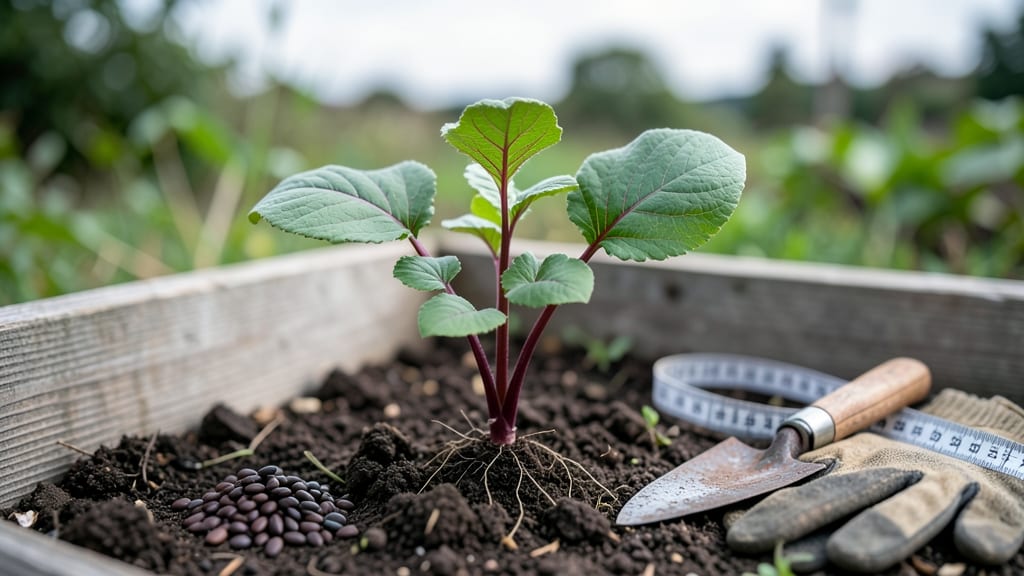
Beet seed spacing determines whether you harvest plump roots or stunted, misshapen ones. 🌱 I learned the hard way—my first attempt at growing beets left me with tiny, tangled roots because I packed seeds too close together.
The science is simple: give them room to spread, and they’ll reward you with thick, sweet harvests.
Start by preparing loose, well-drained soil mixed with compost—beets hate compacted dirt. Plant seeds ½ inch deep in rows spaced 12–18 inches apart, with seeds 1–2 inches apart in the row.
Thin seedlings to 3–4 inches apart once they sprout; this prevents overcrowding and ensures each plant gets enough nutrients. The key is patience—thinning might feel cruel, but it’s what turns scraggly seedlings into bushy, productive plants.
When done right, you’ll see bold, glossy leaves and round, deep-red roots by midseason. The spacing also reduces disease risk, since crowded beets trap moisture and attract pests.
Even in small gardens, this method maximizes yield without sacrificing quality—no more digging up puny beets! The payoff comes in smooth, earthy harvests that taste sweeter than store-bought.
Works for both detroit-style and long, cylindrical varieties, and adapts to containers (just scale down). Whether you’re growing for salads, roasting, or pickling, this spacing guarantees consistent, restaurant-quality results—no fancy tools or greenhouses required. Let’s get those seeds in the ground!
📚 In This Guide
- What you need
- Instructions
- Tips and common mistakes
- Wrapping up and next steps
What you need
- ● Beet seeds: Choose certified organic or heirloom varieties (e.g., Detroit Dark Red, Chioggia, or Golden). Aim for 1–2 oz (30–60g) per 100 sq ft.
- ● Seed starting mix or potting soil: 1–2 cubic feet (28–57L) per 10 sq ft of planting area.
- ● Garden soil (well-draining, loamy): Amend with compost (2–3 inches) if your soil is heavy or sandy.
- ● Fertilizer: Balanced organic fertilizer (e.g., 5-5-5) or compost tea for nutrient boost.
- ● Hand trowel or transplanting tool (for precision planting).
- ● Ruler or spacing guide (or a DIY grid made from sticks/straws).
- ● Watering can or hose with gentle nozzle (avoid blasting seeds).
- ● Mulch (straw or shredded leaves) (1–2 inches) to retain moisture.
- ○ Row markers or stakes (optional, for visual spacing guides).
- ● Sunny spot with at least 6 hours of direct sunlight daily.
- ● Soil temperature: 50–85°F (10–29°C) (wait until after last frost).
- ● pH level: 6.0–7.0 (test with a soil kit if unsure).
- ● Thin seedlings to 2–3 inches apart once they sprout (see our spacing guide!).
How to space beet seeds for maximum yield and plant health
Perfect spacing transforms thin, scraggly beets into thick, juicy harvests. Here’s how to do it right.
🌱 Step 1: Understand Beet Seed Characteristics
Beet seeds are actually clusters of 2-4 individual seeds called "globules," which is why they’re often sold as "seed balls." This means you’ll need to thin later, but proper initial spacing sets the stage. I like to plant them ½ inch deep in rows spaced 12-18 inches apart—wide enough for easy weeding and airflow.
If you’re sowing in loose soil, gently press each seed ball into the furrow with your thumb. Too-deep planting delays germination, while shallow seeds may dry out before sprouting. Aim for 50-60°F soil temperatures for fastest emergence—cooler soils slow things down.
🌱 Step 2: Sow Seeds in Thin Rows for Easy Thinning
Drop seeds every 1-2 inches apart along the row—closer than you’ll eventually need, since many won’t germinate. I use a shallow wooden stick to mark spacing as I go, ensuring even distribution. Overcrowding now leads to tangled roots and stunted growth later.
Cover lightly with soil, then water gently with a fine spray nozzle. Avoid heavy watering, which can wash seeds deeper or create mud clods that block sprouts. You’ll see first true leaves in 7-14 days, but germination can take longer in cool weather.
✂️ Step 3: Thin Seedlings to Optimal Spacing
When seedlings reach 2 inches tall, thin to 3-4 inches apart in rows. Use sharp scissors to snip at soil level—pulling risks damaging roots of remaining plants. This spacing prevents competition for nutrients and reduces disease risk from crowded foliage.
I harvest the thinnings immediately for baby beets or microgreens. If you’re growing for storage, leave the strongest, straightest seedlings. Avoid thinning on hot days—stressed plants wilt faster in direct sun.
💧 Step 4: Maintain Spacing Through Growth Stages
As beets grow, monitor leaf canopy. If foliage starts touching between plants, thin again to 4-6 inches apart. This is especially critical for larger varieties like Chioggia or Detroit Dark Red. Proper spacing ensures roots swell evenly rather than competing for space.
Keep soil moist but not soggy—beets need 1-1.5 inches of water weekly. Mulch with straw to retain moisture and suppress weeds, which compete for nutrients. You’ll know spacing is right when leaves stay vibrant and roots develop their signature round shape.
🌿 Step 5: Adjust for Different Varieties and Conditions
Small varieties like ‘Baby Keeper’ can stay at 2-3 inches apart, while giant types like ‘Mangold’ need 6-8 inches. Adjust for your climate too—cooler regions benefit from slightly tighter spacing to maximize sunlight use.
Real talk: If you’re growing in containers, reduce spacing to 2-3 inches with just 2-3 plants per 12-inch pot. Beets are adaptable, but they’ll tell you when they’re crowded—yellowing leaves or stunted growth are your cues to thin sooner.
Tips & tricks for perfect beet seed spacing
Here's what nobody tells you about transforming your beet harvest from scraggly to spectacular.
Soil Temperature Secret: The 50-60°F soil temperature range in Step 1 isn't just a suggestion—it's your germination guarantee. I've seen seeds take twice as long to sprout when soil was only 45°F. Use a soil thermometer if your climate is unpredictable, or plant when nighttime temps consistently stay above 55°F. This precision prevents the "waiting game" that frustrates so many gardeners.
Thinning Technique That Changed Everything: When you reach Step 3 and those 2-inch seedlings appear, resist the urge to pull weeds first. Thin first—those baby greens are edible! Use clean, sharp scissors (disinfected with rubbing alcohol) to snip at soil level. The clean cut prevents disease transfer between plants, and you'll have fresh microgreens for salads within days. I've harvested enough thinnings to make a full salad from one planting.
Container Gardening Hack: For those growing in 12-inch pots mentioned in Step 5, here's my pro move: plant just 2-3 seeds per container (instead of the usual 4-5). This ensures you always have space for the strongest seedling, even if one fails to germinate. The extra room prevents root competition that leads to those sad, stunted beets we all hate. I've had perfect harvests from containers using this method when others in my garden struggled.
Visual Cues for Perfect Spacing: In Step 4, when maintaining that 4-6 inch spacing, watch for these telltale signs: leaves should have space between them when they reach about 4 inches tall, and you should be able to fit two fingers between plants without touching foliage. If you can't, it's time to thin again. This simple visual check eliminates guesswork about whether your beets have enough room to grow.
Pro Tips for Beet Seed Spacing
- Here's what nobody tells you about transforming your beet harvest from scraggly to spectacular.
- Soil Temperature Secret: The 50-60°F soil temperature range in Step 1 isn't just a suggestion—it's your germination guarantee.
- Thinning Technique That Changed Everything: When you reach Step 3 and those 2-inch seedlings appear, resist the urge to pull weeds first.
Frequently asked questions
Got questions about beet seed spacing?
You’re not alone! Whether you're a first-time gardener or a seasoned grower, proper spacing can make or break your harvest. Here are answers to the most common queries to help you plant with confidence.
How close can I plant beet seeds?
Beet seeds should be spaced 1–2 inches apart in rows. Since they’re tiny and often sold as seed balls (clusters of 2–5 seeds), thinning is key. Aim for 3–4 inches between plants once they sprout to prevent overcrowding and ensure plump, sweet beets.
When is the best time to thin beet seedlings?
Thin seedlings when they’re 2–3 inches tall—usually 3–4 weeks after sowing. Use sharp scissors or your fingers to snip excess plants at soil level. Leave the strongest, straightest shoots; avoid pulling to prevent disturbing roots. Pro tip: Thin on a cloudy day to reduce stress on remaining plants.
Can I plant beets closer together for baby beets?
Yes! For baby beets (harvested at 1–2 inches), space seeds ½–1 inch apart in rows. Thin to 2 inches between plants once they’re 1–2 inches tall. This method speeds up harvests and works well for quick salads or pickling.
What if my beets grow too close together?
Overcrowded beets compete for nutrients and light, leading to small, misshapen roots. To fix it, thin immediately or hill soil around the base to encourage vertical growth. If space is tight, consider succession planting in a separate row for future harvests.
Does beet seed spacing change for different varieties?
Most beet varieties follow the same spacing rules, but long, cylindrical types (like ‘Chicago Long Standing’) may need 4–5 inches between plants to stretch fully. Check seed packets for variety-specific notes—though standard spacing (3–4 inches) works for 90% of types.
Wrapping up and next steps
Perfecting your beet seed spacing is the secret to a thriving garden—whether you’re growing Detroit Dark Red or Chioggia varieties! With the right row placement, soil prep, and thinning techniques, you’ll enjoy bushy, uniform harvests all season. 🌱
Now that you’re armed with science-backed tips, grab your gloves and head to the garden! Start small—try a 12-inch row to practice spacing—then scale up as your confidence grows. Happy planting, and may your beets be sweet, plentiful, and perfectly spaced!