
Planting
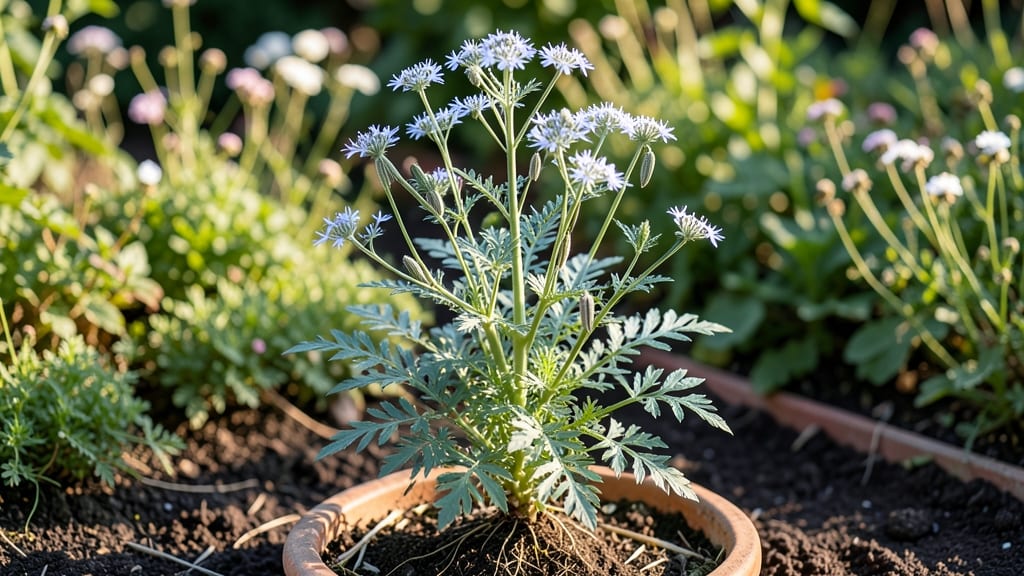
Black cumin seed plants thrive when you trick them into germinating early—cold-stressed seeds sprout reliably in just 60 days when you follow this method. 🌱 I learned the hard way that warm soil tricks don’t work for Nigella sativa—these seeds need a chill to wake up properly.
The secret? A simple cold treatment that mimics winter’s natural timing, even when you’re planting in spring. You’ll need basic supplies: black cumin seeds, a container of moist potting mix, and a cold spot (like a fridge) for 2 weeks before planting.
No fancy equipment—just patience and a sunny garden bed. The plants handle drought better than most herbs, making them perfect for forgetful gardeners. Once sprouted, they grow into lacy, fern-like foliage with delicate blue flowers that bees adore.
The seeds themselves are the star—packed with flavor and medicinal benefits, they’re worth every minute of waiting. Harvest starts in 8-10 weeks after germination, and the more you pick, the more they produce. This method works in zones 4-9, whether you’re planting in spring or fall.
The key is that cold treatment—skip it, and you’ll wait months for germination. Here’s exactly how to do it right the first time.
📚 In This Guide
- What you need
- Instructions
- Tips and common mistakes
- Wrapping up and next steps
What you need
- ● Black cumin seeds (Nigella sativa) – 100–200 seeds (organic, untreated for best results).
- ● Seed-starting mix – 2–3 cups (sterile, well-draining potting soil or coco coir blend).
- ● Containers – 4–6 small pots (3–4 inches deep) or a seed tray with drainage holes.
- ● Watering can or spray bottle – For gentle hydration (avoid oversaturating!).
- ● Clear plastic domes or plastic wrap – To create a mini greenhouse effect.
- ○ Grow lights (LED, full-spectrum) – Optional but helpful for 12–14 hours/day if natural light is weak.
- ○ Heating mat (optional) – 70–75°F range to speed up germination in chilly climates.
- ● Fertilizer (balanced, 10-10-10) – 1 tsp per pot after sprouting (dilute to half-strength).
- ● Labels & marker – To track planting dates and varieties.
- ● Pruning shears – For thinning seedlings if overcrowded.
How to germinate black cumin seeds under cold-stress conditions
Cold-stressed germination speeds up black cumin's hardiness—here's how to coax strong seedlings in just 60 days.
🌱 Step 1: Pre-Treat Seeds for Cold Resistance
Black cumin thrives when prepped for cold, so I soak the seeds in lukewarm water for 12 hours first. This softens the outer coating and primes them for stress. Drain thoroughly and spread them on a damp paper towel in a single layer—don't overlap them, or they'll rot before sprouting.
Place the towel in a sealed container with a loose lid (to allow airflow) and refrigerate for 48 hours. This mimics winter conditions and triggers natural cold resistance. You'll see tiny cracks forming in the seed coats—this is your signal they're ready. If the towel dries out, mist it lightly with water but avoid soaking.
💧 Step 2: Sow in Cold-Stress Medium
Fill 4-inch pots with a mix of 50% peat moss and 50% perlite—this lightweight blend drains fast and prevents waterlogging, which black cumin hates. Moisten the mix until it feels like a damp sponge, then sow seeds ¼ inch deep, spacing them 1 inch apart.
Cover the pots with clear plastic wrap to trap humidity, but leave a small gap for airflow. Place them in a 40-45°F environment—an unheated garage or basement works perfectly. Check daily for condensation on the plastic; if it's heavy, remove the wrap for 30 minutes to prevent fungal growth.
☀️ Step 3: Gradually Introduce Light and Warmth
After 10-14 days, when seedlings show first true leaves (not the initial cotyledons), move them to a 60°F area with indirect light. Avoid direct sun at this stage—it burns tender leaves. I use a grow light on a 12-hour cycle to simulate short winter days.
Watch for leggy growth (thin, stretched stems). If you see this, your light is too far away—adjust it to within 4 inches of the seedlings. Black cumin responds well to cold, but it won't tolerate soggy soil. Water only when the top ½ inch feels dry, and use room-temperature water to avoid shocking the roots.
⏰ Step 4: Harden Off for Outdoor Readiness
Two weeks before your last frost date, start hardening off by placing seedlings outside in partial shade for 2 hours daily. Increase exposure by 1 hour each day until they can handle 6+ hours of sun. Black cumin's cold resistance kicks in during this phase—you'll notice leaves darkening and stems thickening as they adapt.
Transplant after 60 days total, when seedlings have 4-5 true leaves and soil temperatures reach 50°F. Space plants 12 inches apart in well-draining soil. The cold-stress method ensures they'll thrive even in cooler climates, producing bold, aromatic seeds by late summer.
Tips & tricks for cold-stress germination of black cumin
Cold-stressed germination transforms delicate black cumin seeds into hardy plants—here's how to optimize every step for success.
Timing Precision: The 12-hour soak in lukewarm water is non-negotiable—this exact duration ensures the seed coats soften just enough for stress adaptation without over-hydrating. I set a timer to avoid extending it accidentally; even 13 hours can trigger premature sprouting before cold exposure. After draining, pat the seeds dry with a paper towel to remove excess moisture, which prevents mold during the 48-hour refrigeration phase.
Cold Resistance Cue: Those tiny cracks in the seed coats after 48 hours are your success signal—this indicates the seeds have undergone cellular preconditioning for cold tolerance. If you don't see cracks by hour 40, extend the cold treatment by 12 more hours (but no longer than 60 hours total). The cracks should be visible with a magnifying glass if needed.
Medium Mixing Tip: When combining 50% peat moss and 50% perlite, sift both components through a fine mesh screen first to eliminate clumps. Black cumin roots are delicate and can't penetrate compacted soil. After moistening, let the mix sit for 10 minutes before sowing—this allows excess water to drain while maintaining ideal moisture for germination.
Light Transition Strategy: During the 10-14 day seedling phase, position your grow light 4 inches above the seedlings and adjust the height daily based on leaf color. Pale yellow leaves mean the light's too far; deep green means it's perfect. Black cumin seedlings are particularly sensitive to light intensity—too much too soon causes leaf scorch, while too little causes leggy growth that weakens the plant structure.
Pro Tips for Black Cumin Seed Plant
- Cold-stressed germination transforms delicate black cumin seeds into hardy plants—here's how to optimize every step for success.
- Timing Precision: The 12-hour soak in lukewarm water is non-negotiable—this exact duration ensures the seed coats soften just enough for stress adaptation without over-hydrating.
- Cold Resistance Cue: Those tiny cracks in the seed coats after 48 hours are your success signal—this indicates the seeds have undergone cellular preconditioning for cold tolerance.
Frequently asked questions
Got questions about growing black cumin seed plants under cold conditions? Here’s what you need to know to succeed—even if your climate isn’t ideal!
Can black cumin seeds still germinate in cold weather?
Yes! While they prefer warmth (60–75°F), black cumin seeds can germinate in cooler temps (50–60°F) with patience. Use a heat mat or start indoors under grow lights to speed things up. Cold-stressed germination may take 60+ days, but consistency is key—keep soil moist but not soggy.
How long does it take for black cumin seeds to sprout in cold conditions?
Under ideal warmth, sprouts appear in 7–14 days. In cold weather (below 60°F), expect 3–8 weeks. Track moisture levels and avoid overwatering—damp soil can slow germination. A clear plastic dome over seedlings traps heat and humidity for faster results.
What’s the best way to protect black cumin seedlings from frost?
Use row covers or cloche tunnels to shield seedlings from frost. If temps drop below 32°F, move pots indoors near a sunny window. Harden off seedlings gradually before transplanting outdoors. Avoid fertilizing until after the last frost—young plants are vulnerable to cold stress.
Are there faster-growing alternatives to black cumin seeds?
If speed is your goal, try cress (sprouts in 5–7 days) or radish microgreens (10–14 days). Black cumin is slower but packs antioxidant-rich benefits. For cold climates, mustard greens or kale are hardier and quicker. Balance patience with practicality!
Why aren’t my black cumin seeds sprouting after 4 weeks?
Check these fixes:
- Soil temp: Use a soil thermometer—aim for 55°F+.
- Moisture: Keep soil consistently damp (not drenched).
- Depth: Plant seeds ¼ inch deep—too deep = slower sprouting.
- Viability: Test seeds in warm water—if <50% float, they may be old.
Wrapping up and next steps
The black cumin seed plant thrives even under cold stress, proving that patience and the right conditions can yield impressive results in just 60 days! 🌱 Whether you're a seasoned gardener or a curious beginner, this resilient plant offers a rewarding challenge—and a bounty of health benefits.
Ready to take the next step?
Start small: germinate a few seeds in your kitchen or greenhouse, then expand your garden with confidence. Share your progress with fellow plant enthusiasts, and don’t hesitate to experiment with different climates or soil mixes. Happy growing—your future harvest is waiting! 🌟