
Lawn
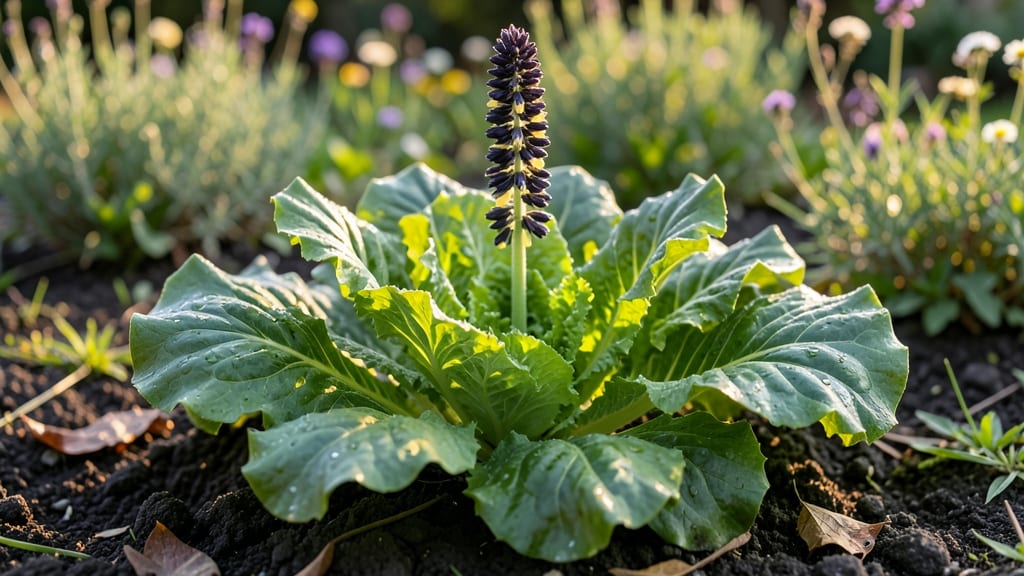
Growing Black Seed Simpson lettuce transforms your lawn into a lush, edible carpet that thrives even when temperatures dip. 🌱 This cold-hardy heirloom variety doesn’t just survive winter—it becomes the star of your garden, offering tender leaves well past most lettuce’s usual retirement date.
I’ve grown it for three winters now, and the secret lies in its ability to handle frost while still delivering crisp, flavorful harvests.
You’ll need well-draining soil rich in organic matter—think compost mixed into the top 6 inches—and a spot that gets 4-6 hours of sunlight daily. Unlike finicky lettuces, Black Seed Simpson handles partial shade, making it perfect for lawn edges or under trees.
Plant seeds ¼ inch deep, 12 inches apart, and keep the soil consistently moist but never soggy. The key? Mulch heavily in winter to protect tender leaves from freeze-thaw cycles.
By late fall, you’ll be harvesting deep green, slightly crinkled leaves that hold up better than store-bought lettuce in salads or sandwiches. The plants stay productive for months, even when snow dusts the ground.
Watch for slugs in damp conditions and aphids in spring—they’re the only real pests that bother this hardy variety.
Advanced gardeners can succession-plant every 2-3 weeks from early spring through summer for continuous harvests. For beginners, start with a small patch and let the plants self-seed—you’ll end up with a volunteer lettuce patch that outlasts your neighbors’ summer crops.
The real magic? This lettuce tastes best after a light frost, adding a peppery kick that store-bought varieties can’t match.
📚 In This Guide
- What you need
- Instructions
- Tips and common mistakes
- Wrapping up and next steps
What you need
- ● Black Seed Simpson Lettuce Seeds – 1 pack (50+ seeds) (ensure they’re cold-hardy and organic if preferred).
- ● Well-draining soil – Loamy or sandy soil (pH 6.0–7.5) enriched with compost for optimal growth.
- ● Organic fertilizer – Balanced 10-10-10 or compost tea to boost nutrient uptake.
- ○ Mulch (optional but recommended) – Straw or shredded leaves to retain moisture and protect roots in colder months.
- ● Garden trowel or transplanting tool – For sowing seeds or transplanting seedlings.
- ● Watering can or hose with a gentle spray nozzle – Consistent moisture is key!
- ● Garden gloves – To protect your hands while working with soil.
- ● Pruners (small) – For trimming mature plants or harvesting leaves.
- ● A sunny to partially shaded spot (4–6 hours of sunlight daily).
- ● Consistent watering schedule – Keep soil moist but not waterlogged.
- ● Patience! – Black Seed Simpson grows best when sown 8–12 weeks before the last frost for cold-hardy success.
- ● Seedling trays (for starting indoors before transplanting).
- ● Row covers (to protect from late frosts or pests).
- ● Soil moisture meter (to track hydration levels).
Step-by-step guide to growing Black Seed Simpson lettuce
This cold-hardy variety thrives in cool weather and delivers tender leaves for months—here’s how to cultivate it properly.
🌱 Step 1: Prepare the Soil for Optimal Germination
Black Seed Simpson lettuce prefers loose, nutrient-rich soil with excellent drainage. Work in 2-3 inches of compost into the top 6-8 inches of your planting area to improve fertility and structure. This variety tolerates clay but struggles in compacted or waterlogged soil, so avoid areas where water pools after rain.
Test soil moisture by squeezing a handful—it should crumble easily when dry but hold together when damp. If your soil is heavy, mix in 1 part perlite or coarse sand to 3 parts soil to create air pockets for root development. A pH between 6.0 and 7.0 is ideal, so add dolomitic lime if your soil tests acidic.
🌿 Step 2: Sow Seeds at the Right Depth and Spacing
Sow seeds ¼ inch deep in rows spaced 12-18 inches apart for full heads, or 6-8 inches apart for leaf harvests. I like to use a seed tape or spacing tool to maintain even rows—this prevents overcrowding, which leads to bitter leaves and disease. Thin seedlings to 12 inches apart once they develop 2-3 true leaves, using sharp scissors to avoid disturbing roots.
Direct sow in early spring or late summer for fall harvests, as this variety bolts in 65°F+ temperatures. For winter production, plant 6-8 weeks before your first frost—Black Seed Simpson handles light frosts and even 20°F temperatures without damage. Water gently after sowing to settle seeds without washing them away.
💧 Step 3: Maintain Consistent Moisture Without Overwatering
Keep soil evenly moist but not soggy—lettuce roots rot quickly in waterlogged conditions. Water 1 inch per week, more during hot spells, and always at soil level to prevent fungal diseases like downy mildew. I use a soaker hose for deep, even watering that encourages strong root growth without wetting foliage.
Mulch with 2 inches of straw or shredded leaves to retain moisture and suppress weeds. Avoid organic mulches like grass clippings, which can introduce pathogens. You’ll know your moisture balance is right when leaves stay crisp and upright—wilting or yellowing signals either drought or overwatering.
☀️ Step 4: Provide Partial Shade in Hot Climates
Black Seed Simpson lettuce prefers partial shade (3-6 hours of sun daily) in hot summers to prevent bolting. In cooler climates, full sun (6+ hours) works well, but watch for heat stress—leaves turn bitter and bolt when daytime temps exceed 75°F. A 30% shade cloth stretched over rows during peak afternoon sun keeps plants productive longer.
Rotate plants quarter-turn weekly if growing in containers or small beds to ensure even sun exposure. You’ll notice leaves growing toward the light—this is your cue to adjust placement. For container growing, use 5-gallon pots with drainage holes and plant 1-2 seedlings per container for optimal yield.
✂️ Step 5: Harvest Strategically for Continuous Production
Harvest outer leaves first when they reach 4-6 inches tall, leaving the inner rosette to regrow. This method extends production by 4-6 weeks compared to cutting the whole head. For baby leaves, harvest when 2-3 inches tall—they’re sweeter and more tender. Use clean shears or a sharp knife to avoid tearing stems.
For full heads, harvest when 6-8 inches in diameter by cutting the entire plant at the base. Bolting plants (tall, flowering stems) can still be harvested for seed or used in salads before seeds mature. Store harvested lettuce in the fridge for 5-7 days in a perforated plastic bag to maintain crispness.
Tips & tricks for perfect Black Seed Simpson lettuce growth
Here's what nobody tells you about maximizing your Black Seed Simpson lettuce harvest—these tricks make all the difference between a decent crop and a thriving garden.
Soil Prep Secret: The 2-3 inches of compost you're mixing into the top 6-8 inches isn't just about nutrients—it's about creating the perfect air-to-soil ratio. After amending, press down gently with your foot to eliminate air pockets, then water thoroughly. This mimics the loose, well-aerated soil Black Seed Simpson craves, preventing root rot while encouraging deep root penetration. For heavy clay soils, I add an extra 1 part perlite to 1 part sand (totaling 2 parts) to create that ideal crumbly texture.
Thinning Technique: When thinning seedlings to 12 inches apart, don't just pull—use sharp scissors to cut at soil level. This prevents disturbing the roots of neighboring plants and reduces stress on the remaining seedlings. I've found that thinning at the 2-3 true leaves stage gives plants just enough room to establish before they compete for resources. The key is speed: complete thinning within 24 hours to minimize transplant shock.
Heat Management: That 75°F threshold isn't just a number—it's when lettuce starts producing bitter compounds as a stress response. I recommend installing a simple shade cloth frame over your rows during summer afternoons when temps approach this range. Even a 30% reduction in sunlight can keep leaves tender. For container growers, move pots to shaded areas during peak heat, and consider using reflective surfaces underneath to bounce light back onto plants without increasing heat.
Harvest Extension: The 4-6 week extension from cut-and-come-again harvesting comes from understanding the plant's growth cycle. When you harvest outer leaves at 4-6 inches, you're essentially giving the inner rosette a chance to photosynthesize without competition. I've seen some gardeners extend this even further by harvesting every other outer leaf rather than all at once, which maintains plant vigor for up to 8 weeks in ideal conditions. Just be sure to leave at least 2-3 healthy inner leaves to continue growth.
Pro Tips for Black Seed Simpson Lettuce
- Here's what nobody tells you about maximizing your Black Seed Simpson lettuce harvest—these tricks make all the difference between a decent crop and a thriving garden.
- Soil Prep Secret: The 2-3 inches of compost you're mixing into the top 6-8 inches isn't just about nutrients—it's about creating the perfect air-to-soil ratio.
- Thinning Technique: When thinning seedlings to 12 inches apart, don't just pull—use sharp scissors to cut at soil level.
Frequently asked questions
about Black Seed Simpson Lettuce—especially when used for lawn beautification—can help clarify how to make the most of this cold-hardy variety. Here are answers to the most common queries:Can Black Seed Simpson Lettuce survive winter in my lawn?
Black Seed Simpson Lettuce is one of the hardiest varieties, tolerating light frosts down to 15–20°F (-9 to -7°C). For full winter survival, ensure well-drained soil and mulch lightly with straw if heavy snow isn’t expected. In extreme cold zones (<10°F/-12°C), consider a cloche or row cover for extra protection.
How long does it take to establish a lawn with this lettuce?
Germination takes 7–14 days in ideal conditions (60–70°F/15–21°C). For a dense lawn, sow seeds every 2–3 weeks until late summer. Full coverage may take 6–8 weeks, but patience pays off—this variety thrives when given time to root deeply.
What’s the best alternative if I can’t find Black Seed Simpson?
Look for other cold-tolerant lettuce varieties like Winter Density, Arctic King, or Winter Marvel. For a true "lawn" look, mix with clover or creeping thyme—both pair well with lettuce’s low-growing habit and add resilience.
How do I prevent pests from ruining my lettuce lawn?
Slugs and aphids are the biggest threats. Prevent them with diatomaceous earth (food-grade) or copper tape around borders. For aphids, blast off with water or introduce ladybugs. Avoid chemical sprays—they can harm beneficial insects and leave residue in edible greens.
Can I harvest seeds from Black Seed Simpson for next year?
Yes! Let some plants bolt (flower) and go to seed. Once seed heads turn brown, cut them, dry in a paper bag, and store in a cool, dark place. Viability lasts 2–3 years. Pro tip: Label your seeds—this variety’s unique black seeds are easy to mix up with others!
Wrapping up and next steps
Black Seed Simpson lettuce isn’t just a cold-hardy hero for your garden—it’s a game-changer for year-round lawn beauty! 🌱 Whether you’re a beginner or a seasoned green thumb, this versatile variety delivers low-maintenance elegance with its striking foliage and resilience. Ready to transform your outdoor space?
Your next step? Plant a patch today! Start small with a few seeds, experiment with companion plants, and watch your lawn thrive. Share your progress—we’d love to see your Black Seed Simpson success stories! 🌿✨