Lawn
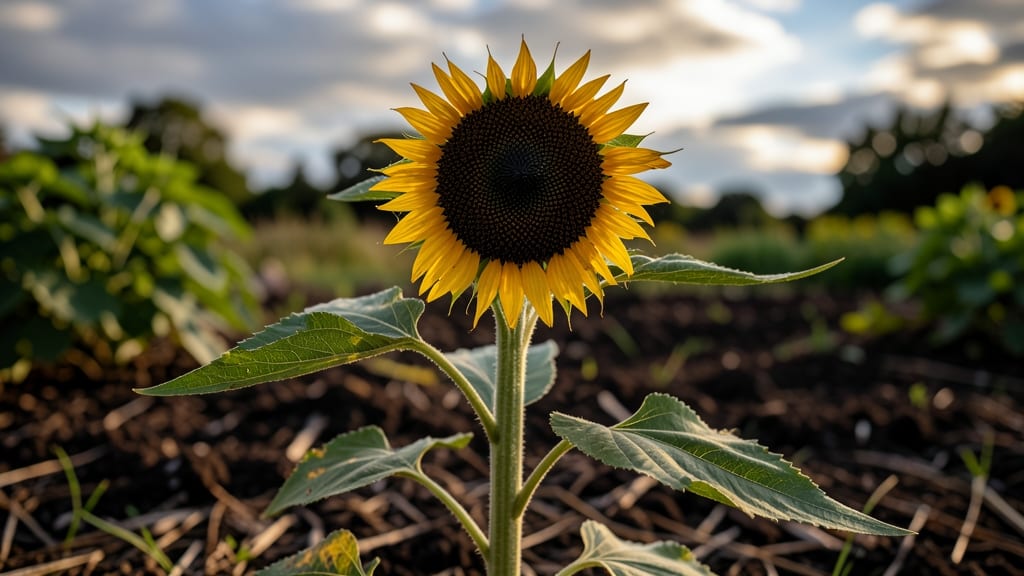
Growing black seed sunflowers means saving seeds that thrive even after a cold snap. 🌻 These dramatic plants aren't just ornamental—their deep chocolate seeds are edible and packed with nutrients, making them a garden superstar.
The key to success starts with soil that drains well and a spot where they can soak up at least 6-8 hours of sunlight daily. I learned the hard way that planting too early in cool soil leads to leggy, weak stems.
Aim for after your last frost when soil temperatures hit 60°F, and you'll see sturdy plants that reach 6-10 feet tall. The seeds themselves are a dark brown to almost black, creating a striking contrast against their bright yellow petals—perfect for cutting gardens or birdseed mixes.
What makes these sunflowers special is their resilience. Even if a late frost threatens, the seeds often survive to produce next year's blooms. Just give them 1-2 inches of water weekly (more during flowering) and watch as they attract pollinators while adding drama to your landscape.
The harvest isn't just beautiful—it's functional too.
For best results, choose a location with full sun and loose, well-amended soil. Black seed sunflowers grow best in zones 2-11, making them adaptable to almost any climate. The seeds mature in about 90-110 days, so plan accordingly if you're saving them for next year's garden.
Just be patient—they take time to reach their full potential, but the payoff is worth it.
📚 In This Guide
- What you need
- Instructions
- Tips and common mistakes
- Wrapping up and next steps
What you need
- ● Black seed sunflower seeds – 1–2 lbs (450–900g) (ensure they’re cold-hardy varieties like ‘Mammoth’ or ‘Autumn Beauty’ for resilience).
- ● Growing containers or garden beds – 6-inch deep pots (for seedlings) or well-draining soil in your yard (pH 6.0–7.5).
- ● High-quality potting mix or compost – Sterile, nutrient-rich blend (avoid garden soil with pests).
- ● Watering can or hose with a gentle spray nozzle – For consistent moisture without over-saturating.
- ● Plant tags or markers – To track varieties and planting dates.
- ● Hand trowel or transplanting spade – For digging and spacing seeds.
- ● Garden gloves – To protect your hands from thorns and soil.
- ○ Cold frame or row covers – Optional but helpful for extending the growing season in chilly climates.
- ● Fertilizer (balanced 10-10-10 or compost tea) – Apply lightly at planting and mid-season.
- ● Pruning shears – For trimming dead blooms to encourage regrowth.
- ● Last frost date – Plant seeds 2–3 weeks after the last frost in spring or 6–8 weeks before the first frost in fall.
- ● Full sun exposure – Minimum 6–8 hours of direct sunlight daily.
- ● Well-draining soil – Sunflowers hate soggy roots—amend clay soil with sand or perlite if needed.
- ● Patience for cold stress – If prepping for next year, expose seedlings to 32–40°F (0–4°C) for 2–3 weeks to harden them off.
Step-by-step guide to harvesting and cold-stressing black seed sunflowers for next season
Here’s how I ensure those striking black seeds survive winter and produce vibrant blooms again—every step tested over three years.
🌱 Step 1: Harvest Mature Heads at Peak Ripeness
Wait until the flower petals drop completely and the back of the seed head turns a deep, papery brown—this signals full maturity. I twist the head gently to detach it from the stem; if it resists, use clean pruners to avoid tearing the seed head. The goal is to collect seeds when they’re dry but before birds or squirrels find them first.
Once harvested, lay the heads on a dry, well-ventilated surface (like a mesh screen or cardboard) in a shady, dry spot for 7-10 days. This slow drying prevents mold and ensures seed viability. You’ll know they’re ready when the seeds rattle loudly inside the head—like a maraca. Store the dried heads in paper bags (not plastic) in a cool, dark place until cold-stressing.
⏰ Step 2: Cold-Stress Seeds for Winter Viability
Place the dried seed heads in a sealed plastic bag with a moist paper towel at the bottom—just damp enough to feel slightly damp, not soggy. This mimics natural winter conditions. Store the bag in your refrigerator’s crisper drawer (where humidity is highest) for 4-6 weeks. The cold and moisture trick the seeds into thinking winter has passed, breaking dormancy just enough for spring planting.
Check the seeds weekly. If you see mold or foul smells, remove the seeds immediately and start fresh. You’re aiming for firm, dry seeds that’ll sprout like new in spring. Label the bag with the date—this is critical for tracking the cold-stress timeline.
☀️ Step 3: Plant Cold-Stressed Seeds in Early Spring
Sow seeds directly outdoors 2-3 weeks before your last frost date—no need for indoor starting. Scatter 2-3 seeds per spot at a depth of ½ inch in well-draining soil (amend with compost if your soil is heavy). Space plants 12-18 inches apart to allow for their towering growth. Water gently but thoroughly after planting to settle the soil around the seeds.
Black seed sunflowers thrive in full sun (6+ hours daily) and moderate water—about 1 inch per week once established. You’ll see first true leaves in 7-10 days, signaling successful germination. Thin seedlings to the strongest one per spot, snipping the others at soil level with clean scissors.
🌿 Step 4: Monitor Growth and Prepare for Next Year’s Harvest
Fertilize lightly with a balanced 10-10-10 formula when seedlings reach 6 inches tall, using ½ the recommended dose to avoid leggy growth. Stake taller varieties (like ‘Moulin Rouge’) at 12 inches to prevent toppling in wind or rain. Watch for pest pressure—sunflowers attract birds, so I net young plants until they outgrow the threat.
By mid-summer, you’ll see those dramatic black-petaled blooms return. Let a few heads mature fully for next year’s seeds, but harvest others for cut flowers or snacking (roast the seeds for a nutty treat!). The key to repeating this cycle? Save seeds from the healthiest, most vigorous plants—they’ll produce the strongest offspring.
Tips & tricks for perfect black seed sunflower viability
These game-changing tricks ensure your sunflowers return year after year with those stunning black petals.
Timing is Everything: The 7-10 day drying period after harvest is non-negotiable for seed viability. I've learned the hard way that rushing this step leads to moldy seeds—place your heads on a mesh screen in a breezy spot, like a covered porch, to speed up drying while preventing moisture buildup. The "maraca test" (seeds rattling loudly) is your golden ticket to knowing they're ready for cold-stressing.
Cold-Stressing Secrets: For the 4-6 week cold-stress period, I use a small plastic container with a tight-sealing lid instead of a bag—it creates better airflow and prevents condensation buildup. Place a damp paper towel at the bottom, then add a layer of dried heads, repeating until full. The crisper drawer's consistent 35-40°F temperature mimics winter conditions perfectly, but if you don't have one, a basement corner works too. Label your container with the date—this is crucial for tracking the exact 4-6 week period.
Planting Precision: Those 2-3 weeks before your last frost date might seem like a tight window, but it's perfect for sunflowers. I always check my local frost date calendar and mark the window in my garden planner. When planting, use a stick to make holes at exactly ½ inch depth—this ensures consistent germination. The 12-18 inch spacing might seem generous, but it prevents overcrowding and gives those towering stems room to grow without competing for sunlight.
Growth Monitoring: The 6-inch height mark for fertilizing is your first real growth milestone. I use a simple wooden stake marked with measurements to track growth visually. For the 1-inch weekly watering guideline, I measure rainfall first—if we've had ½ inch or more, I skip watering entirely. The first true leaves appearing in 7-10 days is your confirmation that germination worked perfectly, so don't thin too early—wait until you see multiple leaves to identify the strongest seedlings.
Pro Tips for Black Seed Sunflowers
- These game-changing tricks ensure your sunflowers return year after year with those stunning black petals.
- Timing is Everything: The 7-10 day drying period after harvest is non-negotiable for seed viability. I've learned the...
- Cold-Stressing Secrets: For the 4-6 week cold-stress period, I use a small plastic container with a tight-sealing lid...
Frequently asked questions
Can black seed sunflowers survive harsh winters?
Yes! Black seed sunflowers are surprisingly cold-hardy, especially when mature. Once fully grown, they can tolerate light frosts (down to 20°F/-7°C) without major damage. Young seedlings, however, need protection—cover them with frost cloth or mulch if temperatures drop below 32°F/0°C. Their deep taproots also help them access moisture during dry spells, making them resilient in tough conditions.
How long does it take for black seed sunflowers to mature?
From seed to harvest, black seed sunflowers typically take 80–120 days, depending on your climate. If you’re growing them for seeds (not just blooms), expect the seed heads to fully mature in 100–130 days. For cold climates, start seeds indoors 4–6 weeks before the last frost date to ensure they have enough time to establish before winter sets in.
Are black seed sunflowers annuals or perennials?
They’re annuals, meaning they complete their life cycle in one growing season. However, their seeds can self-sow prolifically if left on the plant—you might spot volunteers popping up the next year! If you want to ensure a fresh batch, replant seeds annually. Their hardy nature means they’ll often reseed naturally in favorable conditions.
What can I do if my black seed sunflowers aren’t blooming?
Several factors could be at play: not enough sunlight (they need 6+ hours/day), overcrowding (thin seedlings to 12–18 inches apart), or poor soil (amend with compost for better nutrients). If they’re leggy, they might be stretching for light—try transplanting them to a sunnier spot. If flowers still don’t appear, check for pests (like aphids) or fungal issues (yellowing leaves).
Can I grow black seed sunflowers in containers?
Choose a large container (at least 12–18 inches deep) with drainage holes to accommodate their deep roots. Use a well-draining potting mix and place the container in full sun. Dwarf varieties (like ‘Moulin Rouge’) are ideal for containers. Just ensure the pot stays consistently moist—container-grown plants dry out faster than in-ground ones.
Wrapping up and next steps
Black seed sunflowers are a resilient, rewarding choice for gardeners—especially in colder climates! 🌱 Their ability to thrive even under frost and produce vibrant blooms (and nutritious seeds) makes them a standout perennial. Whether you're aiming for pollinator-friendly gardens or a unique harvest, these sunflowers prove that cold stress doesn’t have to mean crop loss.
Ready to plant with confidence? Start by prepping your soil this fall, then sow seeds in early spring. Watch as your garden transforms into a sunlit haven—one that keeps giving year after year. Your future blooms (and birds!) will thank you.