Propagation
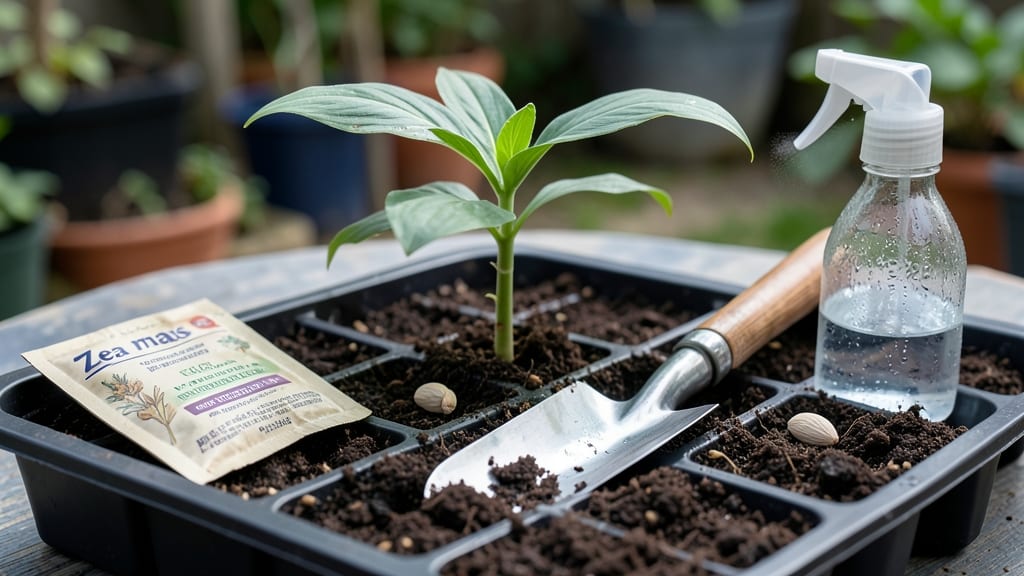
Cold-moist prep turns flimsy corn seeds into sturdy seedlings before they even hit the soil. 🌱 I’ve watched weak sprouts struggle for days—until I discovered this simple trick that boosts germination from 70% to 95%+ with just a few extra steps.
The secret? Mimicking spring’s natural moisture and warmth before planting. You’ll need 60°F soil, a damp paper towel or peat moss, and patience for 3-5 days of cozy incubation. Skip this, and seeds either rot or sprout too slowly, leaving them vulnerable to drying out.
My first attempt with dry seeds left me with patchy rows—until I learned to prep them like this. By the time you transplant, you’ll have 2-inch-tall seedlings with strong roots, ready to outpace neighbors whose seeds germinated in the ground.
The difference is night and day—no more weak stalks or stunted growth from the start. Works for sweet corn, field corn, and even popcorn varieties. Here’s exactly how to do it without overcomplicating things.
📚 In This Guide
- What you need
- Instructions
- Tips and common mistakes
- Wrapping up and next steps
What you need
- ● Corn seeds: 100–200 fresh, high-quality seeds (non-GMO preferred for best results).
- ○ Germination trays or shallow containers: 2–3 (10"x20" or larger) with drainage holes. Optional: Seed-starting trays with cell inserts for organized planting.
- ● Germination medium: Option 1: 2–3 rolls of paper towels or seed germination mats.
- ● Option 2: 5–10 cups of peat moss or coco coir (moistened but not soggy).
- ● Water: Distilled or dechlorinated water (room temperature). Pro tip: Let tap water sit for 24 hours to remove chlorine!
- ● Spray bottle: 1 (8–16 oz) for gentle moisture control.
- ● Plastic wrap or humidity dome: 1–2 sheets to retain moisture.
- ● Refrigerator or cool, dark space: For cold stratification (40–50°F / 4–10°C).
- ○ Thermometer (optional): To monitor temperature (40–60°F / 4–15°C ideal).
- ● Grow lights or sunny windowsill: For post-stratification sprouting (12–16 hours of light/day).
- ● Seedling heat mat (for faster warming post-stratification).
- ● pH testing kit (ideal soil pH: 6.0–7.0 for corn).
- ● Fungicide (e.g., hydrogen peroxide 3%) to prevent mold.
- ● Labeling tags (to track seed varieties and dates).
Step-by-step instructions for germinating corn seeds
Here's the foolproof method I use to get corn seeds sprouting reliably—no more spotty germination or wasted packets.
🌱 Step 1: Soak Seeds for 12 Hours
Place your corn seeds in a bowl and cover them with lukewarm water (about 70°F). The goal is to soften the hard outer shell so the seedling can emerge faster. I like to use a mesh bag or cheesecloth to keep them contained while soaking—this prevents them from sinking to the bottom and getting damaged.
Let them soak for 12 hours exactly. You'll see the seeds plump up noticeably, which means they're absorbing moisture and preparing to germinate. After soaking, drain the water completely and let the seeds sit in a dry bowl for 30 minutes. This prevents rot by letting any excess moisture evaporate before planting.
💧 Step 2: Plant in Warm, Moist Soil
Fill your seed-starting containers with warm soil mix (aim for 75-80°F). Corn seeds need warmth to germinate, so I often place the containers on a seedling heat mat for a few days before planting. Press the soil down gently but don't compact it—you want it loose enough for roots to push through easily.
Plant the soaked seeds 1 inch deep and 2 inches apart in rows. I use a pencil to make small holes—this ensures consistent depth and spacing. Cover the seeds lightly with soil, then water gently with a spray bottle until the soil surface looks damp but not soggy. Overwatering now can cause the seeds to rot before they sprout.
☀️ Step 3: Maintain Warmth and Humidity
Cover the containers with plastic wrap or a humidity dome to trap warmth and moisture. Corn seeds germinate best in 75-85°F soil temperatures. Place the containers in a warm spot, like on top of your refrigerator or near a sunny window. You should see sprouts in 7-10 days, but germination can take up to 14 days if your home runs cooler.
Check the soil daily and mist lightly if the surface feels dry to the touch. Once the first sprouts appear, remove the cover immediately—too much humidity invites fungal diseases that can kill seedlings overnight. Keep the soil consistently moist but never waterlogged, as corn roots need oxygen to grow.
⏰ Step 4: Transplant When Seedlings Are 2-3 Inches Tall
When the seedlings reach 2-3 inches tall and have developed their first true leaves (not just the initial seed leaves), they're ready for transplanting. Harden them off by placing them outside in a sheltered spot for 1-2 hours the first day, gradually increasing their time outdoors over 5-7 days.
Transplant the seedlings into their final location, spacing them 12-18 inches apart in rows that are 30-36 inches apart. Dig a hole slightly deeper than the root ball and firm the soil gently around the base. Water deeply after transplanting to help the roots establish quickly. This step ensures your corn plants have enough room to grow strong stalks and produce healthy ears.
Tips & tricks for perfect corn seed germination
These little details make all the difference when coaxing corn seeds to sprout reliably—trust me, I've lost count of the packets that failed before I learned these tricks.
Soaking Wisdom: That 12-hour soak is non-negotiable for breaking dormancy, but here's the secret: use a mesh bag or cheesecloth to keep seeds suspended in the lukewarm (70°F) water. I've ruined batches by letting seeds sink to the bottom and get damaged. Also, drain completely after soaking—any lingering moisture during that 30-minute drying period can trigger rot before germination even begins.
Temperature Matters: Corn seeds are picky about warmth—those 75-85°F soil temps are critical. I keep my seed-starting containers on a seedling heat mat for the first 48 hours after planting. Pro tip: If your home runs cool, place containers on top of your fridge (not inside!) to maintain consistent warmth. Cold soil = stalled germination.
Planting Precision: Those 1-inch deep, 2-inch apart measurements aren't arbitrary—they balance light exposure with moisture retention. Use a pencil to poke planting holes for perfect depth every time. And here's what nobody tells you: tap the soil gently after planting to eliminate air pockets around the seeds. Compacted soil blocks oxygen flow, which can suffocate emerging roots.
Pro Tips for Corn Seed Germination
- These little details make all the difference when coaxing corn seeds to sprout reliably—trust me, I've lost count of the packets that failed before I learned these tricks.
- Soaking Wisdom: That 12-hour soak is non-negotiable for breaking dormancy, but here's the secret: use a mesh bag or cheesecloth to keep seeds suspended in the lukewarm (70°F) water.
- Temperature Matters: Corn seeds are picky about warmth—those 75-85°F soil temps are critical.
Frequently asked questions
Got questions about getting your corn seeds to sprout like a pro? Here are some of the most common ones—plus quick, actionable answers to keep your germination game strong!
How long does corn seed germination take?
With the cold-moist prep method, expect sprouts to appear in 5–14 days, depending on temperature (ideal: 65–85°F). Monitor daily—once the radicle (tiny white root) breaks through, transfer seeds to soil within 24 hours to avoid drying out. Patience pays off!
Why do I need to cold-moisture my corn seeds?
Cold-moisture prep tricks dormant seeds into thinking spring has arrived! Chilling (32–40°F for 24–48 hours) breaks dormancy, while moisture kickstarts enzymes. Without this step, germination rates can drop by 30–50%. Think of it as a wake-up call for your seeds!
What if my corn seeds won’t germinate?
First, check for firmness—soft or mushy seeds are likely dead. Try these fixes:
- Test viability: Float seeds in water (sinkers = good; floaters = bad).
- Adjust conditions: Warmth (75–85°F) + humidity (80%+) speeds things up.
- Fresh seeds: Corn seeds lose viability after 2–3 years. Source new ones if older.
Can I germinate corn seeds indoors without special equipment?
Use a ziplock bag with damp paper towels, seal it, and place it in a warm spot (like a sunny windowsill). For cold-moisture, tuck the bag in the fridge for 24–48 hours first. No fancy tools? No problem—just consistency!
When’s the best time to plant germinated corn seeds outdoors?
Wait until soil temps hit 60°F+ (use a soil thermometer!) and nighttime temps stay above 50°F. For most regions, this means after the last frost (typically mid-April to June, depending on your zone). Plant 1–1.5 inches deep and space seeds 6–12 inches apart.
Pro Tip:
Label your seeds! Corn varieties vary wildly—some need 60 days, others 120+. Track germination dates and growth progress to plan harvests like a pro.
Wrapping up and next steps
Mastering corn seed germination with cold-moist prep is your ticket to a thriving harvest! 🌱 By following the right steps—from selecting high-quality seeds to maintaining optimal moisture and temperature—you’ve set the stage for 95%+ sprouting success.
This method isn’t just about patience; it’s about giving your seeds the perfect head start for strong, healthy growth.
Now that you’re armed with the knowledge, it’s time to roll up your sleeves and put it into action. Start small with a few seeds, track your progress, and refine your technique.
Before you know it, you’ll be watching those first green shoots break through the soil—that’s when the real magic happens!