Lawn
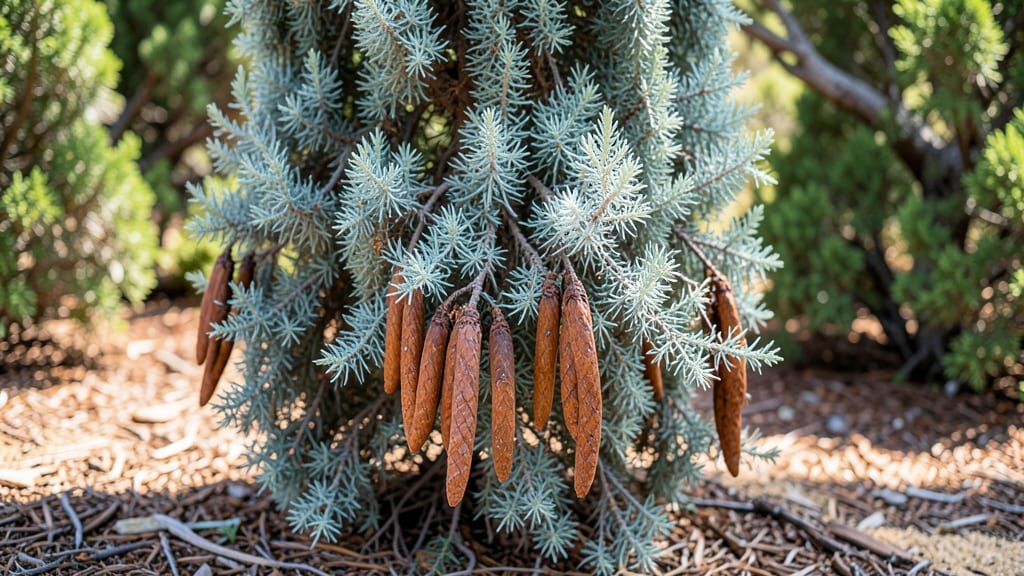
Your cypress seed pods hold the secret to growing these iconic trees from scratch—no nursery needed. 🌲 The cold-moist trick is what breaks dormancy and gives you viable seedlings year-round, whether you're working with Monterey, Leyland, or Arizona cypress varieties.
Here's the game-changer: soak your collected seed pods in water for 48 hours, then refrigerate them in a damp paper towel for 30 days.
This mimics winter's natural stratification, tricking the seeds into thinking spring has arrived. Most gardeners skip this step and end up with stubborn, slow-to-germinate seeds.
Once planted, keep the soil consistently moist (not soggy) and watch for sprouts in 4-8 weeks. Young cypress seedlings grow slowly but steadily—give them full sun and well-draining soil, and you'll have sturdy trees ready for transplanting in 1-2 years.
Pro tip: Collect seed pods in late fall when they're fully brown and dry, but still intact. Store them in a cool, dry place until you're ready to start the cold-moist process. This method works for all cypress varieties, but Monterey cypress may take slightly longer to germinate.
📚 In This Guide
- What you need
- Instructions
- Tips and common mistakes
- Wrapping up and next steps
What you need
- ● Cypress seed pods – Collect fresh or dried pods (ensure they’re fully mature but not overly brittle). Quantity: 10–20 pods (adjust based on desired yield).
- ● Water – Distilled or dechlorinated water (to avoid chemical exposure). Quantity: 1 cup per batch.
- ● Plastic storage bags – Clear, resealable bags (quart-sized). Quantity: 1–2 bags per batch.
- ● Paper towels or dampened cotton cloth – For moisture retention. Quantity: 1–2 sheets per bag.
- ○ Small container or tray – For soaking (optional but helpful). Example: A shallow dish or bowl.
- ● Patience & a warm spot – A consistent temperature of 65–75°F (18–24°C) works best!
- ● Seed germination kit – Pre-made kits with trays and labels for tracking progress.
- ● Hair dryer (low heat) – To gently dry seeds post-germination (prevents mold).
- ● Planting soil or seed starter mix – Once seeds sprout, they’ll need a cozy home to grow!
- ● Notebook or app – To log germination dates and conditions for future reference.
Step-by-step guide for germinating cypress seed pods using the cold-moist method
This trick works like magic—turning stubborn cypress seeds into eager little seedlings.
🌱 Step 1: Harvest and Prepare the Seed Pods
Collect mature cypress seed pods when they’ve turned brown and dry, usually in late fall or winter. I like to gather them after they’ve fallen naturally—they’re easier to handle when fully mature. Open the pods carefully with a small knife or pruners, removing the woody outer shell to expose the tiny seeds inside. These seeds are encased in a hard, waxy coating that needs breaking down before they’ll germinate.
Place the exposed seeds in a bowl of lukewarm water for 24 hours. This softens the coating and kickstarts the hydration process. You’ll notice the water turn slightly cloudy as the waxy layer begins to break down. Don’t skip this step—it’s the key to unlocking germination. After soaking, drain the water and pat the seeds dry with a paper towel.
💧 Step 2: Stratify Seeds in Moistened Sphagnum Moss
Moisten sphagnum moss (not peat moss) until it’s damp but not soggy—think of a wrung-out sponge. Fill a small plastic bag or container with the moss and arrange the seeds about ½ inch apart to prevent crowding. Seal the container loosely with a twist tie or rubber band, leaving just enough room for airflow. This setup mimics the natural forest floor environment where cypress seeds thrive.
Place the container in your refrigerator’s crisper drawer for 6-8 weeks. The cold, moist conditions trick the seeds into thinking winter has passed, breaking their dormancy. Check the moss every 2-3 weeks—if it dries out, lightly mist it with water. You’re not looking for germination yet, just consistent moisture and cold exposure. This is where patience pays off.
☀️ Step 3: Transition to Warmth and Light for Germination
After 6-8 weeks, remove the container from the fridge and place it in a warm, bright spot—ideally 70-75°F with indirect sunlight. Cypress seeds germinate slowly, so don’t rush this step. Within 4-8 weeks, you’ll see tiny green shoots pushing through the moss. This is your signal that the cold-moist stratification worked. Keep the moss consistently moist but not waterlogged during this phase.
Once the seedlings have 2-3 true leaves (not the initial seed leaves), it’s time to transplant them. Use a small pot with well-draining soil and keep the soil lightly moist. Cypress seedlings are delicate—avoid overwatering, which can cause root rot. Place the pots under bright, filtered light to prevent leggy growth. You’ll know you’re on the right track when the seedlings grow sturdy and upright.
⏰ Step 4: Harden Off and Plant Outdoors
After 8-12 weeks of indoor growth, when seedlings are about 4-6 inches tall, it’s time to prepare them for outdoor life. Start by moving them to a sheltered spot outside for 1-2 hours the first day, gradually increasing their time outdoors over 10-14 days. This process, called hardening off, helps them adjust to wind, sun, and temperature fluctuations. You’ll notice the seedlings darken slightly and grow a bit tougher as they adapt.
Plant the hardened-off seedlings in a partial shade to full sun location with moist, well-draining soil. Cypress trees prefer slightly acidic soil, so a mix of peat moss and garden soil works well. Space them 3-5 feet apart to allow for growth. Water deeply after planting to help the roots establish. Within a few weeks, you’ll see new growth—a sign your seedlings are thriving and ready to grow into majestic cypress trees.
Tips & tricks for perfect cypress seed germination
Here's what nobody tells you about making this method work flawlessly every time.
Soaking Secret: The 24-hour soak in lukewarm water is non-negotiable for breaking down that tough waxy coating. I've tried cold water—it takes twice as long—and hot water, which can damage the delicate seeds. Use a glass bowl so you can see the cloudy residue forming as the coating dissolves. This visual cue tells you the process is working.
Moss Selection Matters: Never substitute sphagnum moss with peat moss—they're completely different! Sphagnum holds moisture while allowing airflow, mimicking natural forest conditions. If you can't find sphagnum, look for "long-fiber" peat moss as a second choice, but expect slightly slower results. The key is keeping that ½-inch spacing between seeds to prevent mold.
Cold Stratification Consistency: Your refrigerator's crisper drawer should stay around 35-40°F, but if yours runs warmer, move the container to the main fridge section. The 6-8 weeks in cold is critical—this mimics winter's natural dormancy break. I mark my calendar with the start date so I don't forget to check every 2-3 weeks. A damp paper towel over the container helps maintain humidity without making it soggy.
Transplant Timing: Wait for those 2-3 true leaves before transplanting—don't rush it! The initial seed leaves don't indicate readiness. I use small plastic nursery pots with drainage holes for the first transplant, keeping them under grow lights until they're sturdy enough for outdoor hardening. This gradual transition prevents transplant shock that kills so many delicate seedlings.
Pro Tips for Cypress Seed Pods
- Here's what nobody tells you about making this method work flawlessly every time.
- Soaking Secret: The 24-hour soak in lukewarm water is non-negotiable for breaking down that tough waxy coating. I've ...
- Moss Selection Matters: Never substitute sphagnum moss with peat moss—they're completely different! Sphagnum holds mo...
Frequently asked questions
How long does it take for cypress seed pods to germinate using the cold-moist method?
The cold-moist stratification process typically takes 4–8 weeks before germination begins. Once soaked and chilled, seeds may sprout within 7–21 days after transferring to warm soil. Patience is key—consistent moisture and temperature control speed up the process!
Can I use regular tap water for soaking the seed pods?
Yes, but with a caveat! Tap water is fine, but if it’s heavily chlorinated, let it sit out for 24 hours to allow chlorine to evaporate. For best results, use room-temperature distilled or filtered water to avoid chemical exposure that could inhibit germination.
What if my cypress seed pods don’t open after soaking?
Don’t worry—some pods are stubborn! If they refuse to open after 48 hours of soaking, try gently squeezing them between two towels or lightly nicking the pod with a knife (just enough to expose the seed). Avoid over-handling, as cypress seeds are delicate.
Are there alternatives to the cold-moist method for germinating cypress seeds?
Yes! Two common alternatives include:
- Hot water soak (5–10 mins): Boil water, let it cool slightly, then soak pods for 5–10 minutes to soften the husk.
- Sandy soil burial: Mix seeds with damp sand in a pot and keep it in a cool, dark place for 6–8 weeks.
What should I do if mold grows during stratification?
Mold is a red flag! If you see fuzzy growth, discard the seeds immediately—mold can harm germination. To prevent it, use sterilized containers, avoid overcrowding seeds, and ensure proper airflow. A 5% hydrogen peroxide solution (1 part peroxide to 9 parts water) can sanitize tools if needed.
Wrapping up and next steps
Cypress seed pods may seem tricky to germinate, but with the cold-moist trick, you’ve unlocked a simple, year-round solution! 🌱 Whether you’re restoring native landscapes, enhancing biodiversity, or just experimenting with nature, this method ensures higher success rates with minimal fuss.
Now that you’re armed with the right techniques and answers to common questions, it’s time to roll up your sleeves—grab those pods and start growing!
Ready to take the next step? Try your first batch today and share your progress with fellow gardeners. Happy planting! 🌿