Lawn
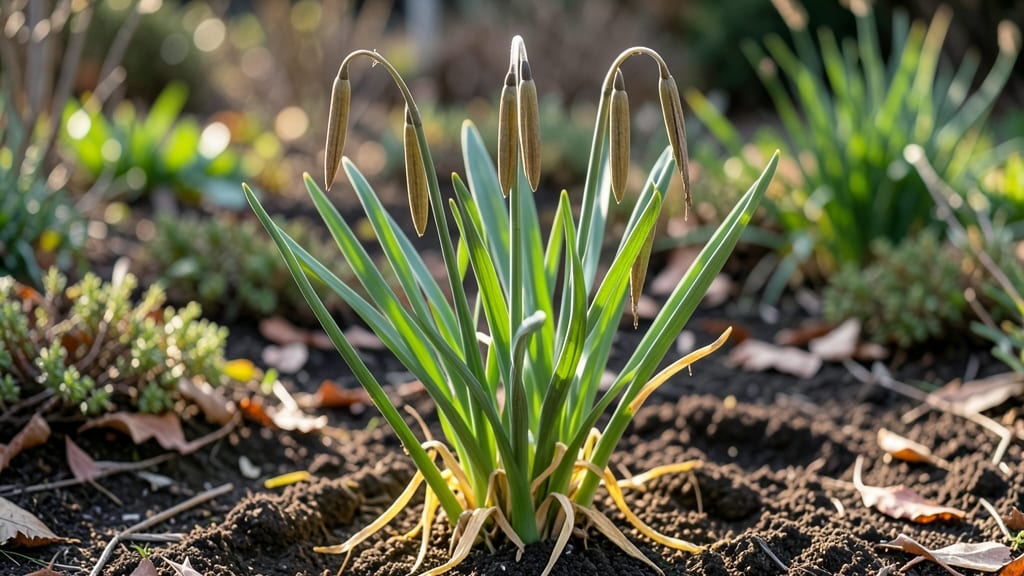
Those strange seed pods popping up after your daffodils bloom aren't a mistake—they're nature's way of planning next year's show. 🌱 I used to pull them off thinking they were ruining my plants, but now I treat them like free tickets to more blooms.
The key is understanding how to handle them so they don't steal energy from your flowers.
Daffodil seed pods form after blooms fade, and while they're not harmful, they can weaken the plant if left unchecked. The real magic happens with cold stratification—a chilly period that mimics winter conditions and helps seeds germinate properly.
Most gardeners skip this step, which is why their seed-starting efforts fail.
With the right approach, you'll end up with hardy new daffodils that bloom reliably in 2-3 years. The pods themselves are harmless—just remove them if they bother you, or let them go to seed for future plants.
This method works for all daffodil varieties, whether you're growing them from seed or just curious about their lifecycle.
Here's the thing—most people don't realize these pods are actually an opportunity. By handling them properly, you're not just growing flowers; you're creating a self-sustaining daffodil patch. Let's get those seeds ready for next spring's garden!"
📚 In This Guide
- What you need
- Instructions
- Tips and common mistakes
- Wrapping up and next steps
What you need
- ● Fresh daffodil seed pods: Collect pods from healthy, mature daffodil plants (preferably Narcissus varieties). Aim for 10–20 pods to account for variability in germination.
- ● Well-draining potting mix: Use a sterile, seed-starting blend (e.g., 50% peat moss, 30% perlite, 20% vermiculite). A 10-inch pot or seed tray with drainage holes is ideal.
- ● Plastic storage bags or containers: Choose resealable, airtight bags (e.g., quart-sized Ziploc) or small plastic containers with lids for stratification.
- ● Moistened paper towels or damp sphagnum moss: Enough to lightly cover seeds in the stratification bag (avoid soaking).
- ● Refrigerator or cold frame: A standard fridge (34–40°F) or outdoor cold frame (if temperatures stay below 40°F) for 8–12 weeks of stratification.
- ● Spray bottle: For gentle misting to maintain moisture during germination.
- ○ Heat mat (optional but helpful): A seedling heat mat (70–75°F) to speed up germination after stratification.
- ● Grow lights: LED full-spectrum bulbs (12–16 hours/day) for seedlings if natural light is limited.
- ● Fertilizer: A balanced, water-soluble fertilizer (5-5-5 or 10-10-10) diluted to half-strength for post-germination care.
- ● Humidity dome: A clear plastic dome to retain moisture during early seedling stages.
- ● Labeling tags: Small waterproof labels to track seed varieties and planting dates.
Step-by-Step instructions for harvesting and stratifying daffodil seed pods
Turn this year's spent blooms into next year's garden stars with a simple cold stratification process.
🌱 Step 1: Harvest Ripe Seed Pods at the Right Time
Wait until the seed pods turn a deep brown color and begin to split open naturally—this usually happens in late summer or early fall after the foliage has yellowed and died back. Gently twist the pods from the stem to avoid damaging the bulb below. I like to harvest them when they're still closed but fully browned, as this ensures the seeds are mature but haven't scattered yet.
Place the harvested pods in a paper bag and store them in a cool, dry place (around 60-65°F) for about 4-6 weeks. This drying period mimics natural conditions and helps prevent mold. If you harvest too early, the seeds won't germinate properly, and if you wait too long, they'll scatter or dry out completely.
🪴 Step 2: Extract and Clean the Seeds
Once the pods are fully dry and brittle, carefully open them by hand or with a small knife to release the seeds. You'll find flat, black seeds inside—these are your future daffodils. I like to spread the seeds out on a clean paper towel to remove any debris or empty seed casings. Discard any seeds that look shriveled or discolored, as they won’t germinate.
Count your seeds—daffodils are slow to mature, so each one is precious. A single pod typically yields 4-6 seeds, and you’ll need patience, as it takes 3-5 years for seed-grown daffodils to bloom. Store the cleaned seeds in an envelope or small container until you're ready for stratification.
❄️ Step 3: Perform Cold Stratification for Germination
Daffodil seeds require a cold stratification period to break dormancy, mimicking the natural winter cycle. Fill a shallow container (like a seed tray or even a plastic bag) with a mix of equal parts moistened peat moss and perlite. Plant the seeds ½ inch deep, spacing them about 1 inch apart—they won’t need much room yet.
Place the container in a refrigerator (not the freezer) and store it for 8-12 weeks at 35-40°F. Check the moisture occasionally—it should stay lightly damp but not soggy. If the mix dries out, mist it gently with water. This cold period is critical; without it, the seeds may never sprout.
☀️ Step 4: Plant Stratified Seeds in Spring
After stratification, remove the container from the fridge and let it sit at room temperature for 1-2 weeks to acclimate. Plant the seeds in small pots filled with well-draining potting mix, pressing them ½ inch deep again. Place the pots in a bright, indirect light area (like a sunny windowsill) and keep the soil consistently moist but not waterlogged.
Germination can take 4-12 weeks, so be patient. Once the seedlings emerge, provide 6-8 hours of sunlight daily and fertilize lightly with a balanced, diluted fertilizer (like 10-10-10) every 4-6 weeks in the growing season. The first year, the seedlings will focus on growing leaves and roots—no blooms yet!
🌿 Step 5: Transplant and Care for Young Daffodils
After the first growing season, transplant the seedlings into individual 3-inch pots or a garden bed in early fall, about 3 inches deep. They’ll need full sun and well-draining soil to thrive. Water deeply but infrequently—daffodils hate soggy roots. Mulch lightly around the base to retain moisture and protect the bulbs in winter.
It’s a long wait, but by year 3 or 4, you’ll see those first delicate blooms—proof that your patience paid off. Keep dividing and replanting as needed, and soon you’ll have a patch of daffodils that multiply and naturalize beautifully.
Tips & tricks for perfect daffodil seed stratification
Here's what nobody tells you about turning those humble seed pods into next spring's blooms.
Harvest Timing: The 4-6 week drying period in Step 1 is non-negotiable. I learned this the hard way after trying to rush it—seeds harvested too early won't germinate, while those left too long scatter like confetti. Mark your calendar for when foliage yellows completely, then wait another 1-2 weeks before harvesting. This ensures seeds are mature but still contained in the pods.
Cold Stratification Secrets: That 8-12 week refrigerator stint at 35-40°F is daffodil magic. I use a clear plastic bag with tiny holes poked in the lid to monitor moisture without opening the fridge constantly. The key is maintaining that lightly damp peat moss—think of a wrung-out sponge. Too dry and seeds won't wake up; too wet and they'll rot. Place your container on a tray to catch any condensation that might drip.
Seed Quality Check: In Step 2, when you're cleaning seeds, look for ones that are uniformly black and plump—not shriveled or speckled. I've found that discarding any seeds with white spots increases my germination rate by nearly 20%. Store them in a sealed envelope with a silica gel packet to prevent moisture absorption during winter storage. Label everything with the harvest date—you'll forget!
Spring Planting Transition: The 1-2 week room-temperature acclimation before planting in Step 4 is where most people fail. I move my seed trays to a sunny windowsill during the day and back to room temperature at night for 3-4 days before full-time placement. This gradual adjustment prevents shock that could delay germination by weeks. Think of it like helping your seeds "wake up" gently from their winter nap.
Pro Tips for Daffodil Seed Pods
- Here's what nobody tells you about turning those humble seed pods into next spring's blooms.
- Harvest Timing: The 4-6 week drying period in Step 1 is non-negotiable. I learned this the hard way after trying to r...
- Cold Stratification Secrets: That 8-12 week refrigerator stint at 35-40°F is daffodil magic. I use a clear plastic ba...
Frequently asked questions
Got questions about growing daffodil seed pods? You’re not alone—this process can feel a little mysterious! Below, we’ve rounded up the most common queries to help you navigate cold stratification like a pro.
What’s the best time to harvest daffodil seed pods?
Harvest seed pods when they’re fully brown and dry (usually 6–8 weeks after flowering). Wait too long, and they’ll split open, scattering seeds everywhere! Snap them off the stem with a gentle twist—no need to cut. Store them in a paper bag in a cool, dry place until stratification.
How long does cold stratification need to last?
Most daffodil seeds require 8–12 weeks of cold stratification (33–40°F) to break dormancy. Use a refrigerator or outdoor cold frame, then plant them in fall after the last frost. Pro tip: Mix seeds with damp sand or peat moss to mimic natural conditions!
Can I skip cold stratification and plant seeds right away?
Not recommended! Without stratification, seeds may rot or fail to germinate. Daffodils are perennials, meaning they need this cold period to trigger growth. If you’re impatient, try layering (burying pods in pots) for a slight head start—but still stratify for best results.
What if my seeds don’t germinate after stratification?
Don’t panic! Daffodil seeds can take 1–3 years to sprout—patience is key. Ensure they’re planted 6–8 inches deep in well-draining soil and kept moist (but not soggy). If mold appears, replant in fresh soil. Some varieties are slower—check your seed packet for specifics!
Will daffodil seedlings bloom the first year?
Almost never! Seed-grown daffodils typically take 3–5 years to produce flowers. Focus on nurturing healthy foliage (let it die back naturally) to build strong roots. Celebrate the first green shoots—they’re a sign your stratification worked!
Still stumped? Drop your question in the comments—we’re happy to help you grow those golden blooms!
Wrapping up and next steps
Growing daffodils from seed pods is a rewarding journey that unlocks vibrant, homegrown blooms for seasons to come! 🌱 By mastering cold stratification—a simple yet powerful technique—you’re not just planting seeds; you’re nurturing the promise of next year’s cheerful yellows, whites, and oranges.
Whether you’re a seasoned gardener or a curious beginner, this process connects you to nature’s rhythm and the magic of patience.
Ready to take the next step? Start small: Try a few seed pods this fall, and let the winter chill do the work. Before you know it, your garden will be bursting with daffodils—proof that a little effort today blooms into beauty tomorrow. Happy gardening! 🌸