Size
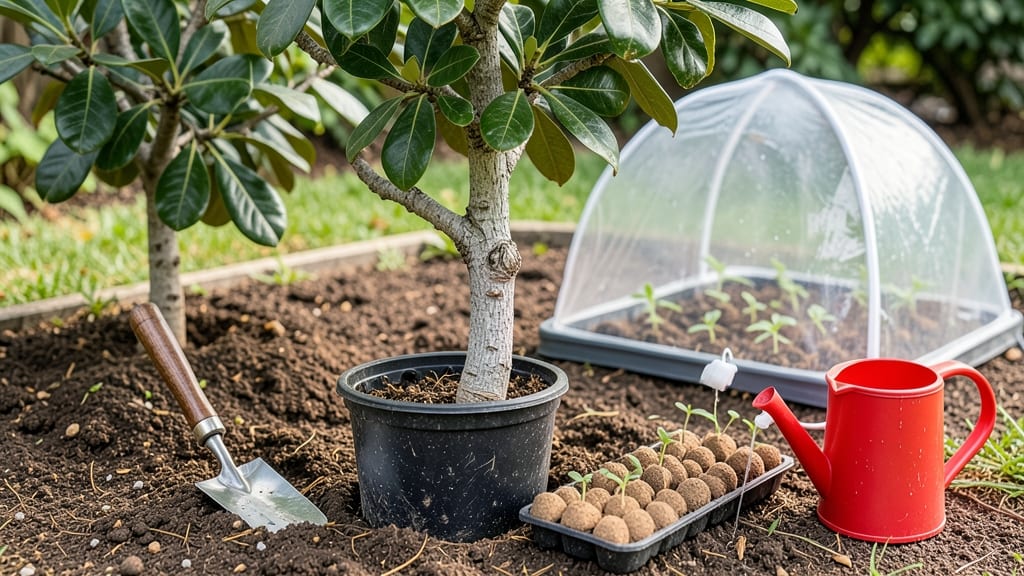
Growing feijoa from seed gives you a cold-hardy tropical treat that thrives in your garden—if you know the tricks. 🌱 The key is patience and a little temperature magic, because these seeds need a 45-day cold spell to break dormancy before they’ll sprout reliably.
My first batch took three months to germinate because I skipped this step, but once I learned the routine, I’ve had consistent success every year.
You’ll need just three simple supplies: fresh feijoa seeds (save them from store-bought fruit), a small pot with well-draining soil, and a refrigerator for the cold treatment. The soil mix should be light and airy—think 50% potting soil and 50% perlite or sand—to prevent rot.
Plant seeds ½ inch deep, barely covering them, since they need light to germinate once they’re ready.
After the cold treatment, move pots to a sunny windowsill or grow light and keep soil consistently moist (not soggy). You’ll likely see tiny sprouts within 2-4 weeks of warming them up.
The first leaves will look delicate, but once they develop true leaves, you can transplant them outdoors after the last frost—just don’t rush it, or the cold-stressed seedlings will struggle.
Feijoa seedlings grow slowly at first, but with proper care, they’ll mature into hardy, fruit-producing shrubs in 3-5 years. The real reward? Harvesting those guava-like fruits in late summer, knowing you grew the tree from a single seed. Here’s how to keep them thriving through each growth stage.
📚 In This Guide
- What you need
- Instructions
- Tips and common mistakes
- Wrapping up and next steps
What you need
- ● Feijoa seeds: 3–5 fresh, plump seeds (harvested from ripe fruit—avoid store-bought if possible!)
- ● Seed-starting mix: 2–3 cups of sterile, well-draining potting soil (or a 50/50 blend of coconut coir and perlite)
- ● Small pots or seed trays: 3–4 biodegradable pots (3–4 inches deep) or a seed tray with drainage holes
- ● Spray bottle: For gentle watering (avoid over-saturating seeds!)
- ○ Clear plastic dome or ziplock bag: To create a mini greenhouse (optional but helpful for humidity)
- ● Grow lights or sunny windowsill: A south-facing window or a 12–16 hour LED grow light (if natural light is limited)
- ● Fertilizer: A balanced, water-soluble fertilizer (5-5-5 or 10-10-10) diluted to half-strength for seedlings
- ● Refrigerator or cold frame: A spot to chill seedlings for 1–2 weeks (40–50°F / 4–10°C)
- ○ Thermometer (optional): To monitor cold-stress temps accurately
- ● Ice cube tray or shallow tray: For organizing seeds during stratification (if pre-chilling seeds)
- ● Heating mat: For faster germination (70–75°F / 21–24°C ideal)
- ● Humidity dome: To retain moisture during early growth
- ● Label markers: To track seed varieties and planting dates
- ● Pruning shears: For trimming leggy seedlings later
- ● Compost or worm castings: To boost soil fertility before transplanting
Step-by-step instructions for growing feijoa trees from seed
Cold-stressed sprouts are the key to feijoa success—here’s how to coax them through in under two months.
🌱 Step 1: Extract and Stratify Seeds for Cold Treatment
Remove seeds from ripe feijoa fruit by slicing the fruit open and scooping out the pulp. Rinse the seeds thoroughly under cool water to remove any remaining fruit residue. Place them in a small paper towel-lined container, dampening the towel just enough to keep the seeds moist but not soggy.
Seal the container in a plastic bag and refrigerate for 4-6 weeks at 35-40°F. This cold stratification mimics winter conditions, breaking seed dormancy. Check weekly—if the towel dries out, mist it lightly with water. You’ll know stratification is working when the seeds begin to soften slightly after about 3 weeks.
💧 Step 2: Plant Stratified Seeds in Moist Growing Medium
Fill small 2-3 inch pots with a sterile seed-starting mix (avoid garden soil—it’s too dense and can harbor fungi). Moisten the mix until it’s damp but not dripping, then press it down gently to create a firm, even surface. Plant 2-3 seeds per pot, spacing them ½ inch apart and pressing them ¼ inch deep into the soil.
Cover the pots with clear plastic wrap or a humidity dome to retain moisture and warmth. Place them in a warm location (65-75°F)—a seedling heat mat set to 70°F speeds up germination. Within 7-14 days, you should see the first signs of sprouts pushing through the soil. If no sprouts appear after 2 weeks, gently water again and check for mold or rot.
☀️ Step 3: Provide Optimal Light and Temperature
Once sprouts emerge, remove the plastic wrap immediately to prevent damping-off. Move the pots to a bright, indirect light source—a south-facing window or grow light positioned 4-6 inches above the seedlings. Feijoa seedlings need 12-14 hours of light daily to avoid becoming leggy and weak.
Keep the soil consistently moist but never waterlogged. A moisture meter helps—aim for 40-50% moisture in the top inch of soil. If the seedlings stretch toward the light or develop pale, elongated stems, they need more light or a shorter distance to the source. After 4-6 weeks, when seedlings have 3-4 true leaves, they’re ready for their first transplant into slightly larger pots.
⏰ Step 4: Harden Off and Transplant Young Seedlings
Begin hardening off by placing the pots outside in a sheltered, shaded area for 1-2 hours the first day. Gradually increase outdoor time over 10-14 days, exposing them to direct sunlight and cooler temperatures. By the end of this period, seedlings should tolerate full sun and light breezes without wilting.
Transplant into 4-6 inch pots filled with a well-draining potting mix (a blend of 50% potting soil, 30% perlite, and 20% compost). Bury the seedlings to the same depth they were growing before, and water deeply to settle the soil. After transplanting, keep them in partial shade for a week to reduce stress before moving them to full sun.
Tips & tricks for growing feijoa trees from seed
These practical insights will help you navigate the delicate balance between patience and precision when nurturing feijoa seedlings.
Cold Treatment Precision: During the 4-6 week stratification period at 35-40°F, consistency is key. I found that placing the container on a refrigerator shelf (not the crisper drawer) maintains the most stable temperature. The slight softening you notice around 3 weeks signals the seed coats are weakening—this is when germination hormones become active. If your seeds don't show this softening by week 4, extend the cold treatment by another week rather than giving up.
Germination Environment: The 65-75°F warm location for germination is critical, but don't overlook humidity control. I've seen mold develop when using regular plastic wrap because condensation builds too quickly. Instead, use a clear plastic dome with small air holes punched in the sides—this maintains humidity while allowing airflow. The 7-14 day germination window can feel long, but feijoa seeds are notoriously slow starters compared to annuals.
Light Transition Strategy: When moving seedlings to 12-14 hours of light after germination, I recommend a gradual transition over 3-4 days rather than immediate full exposure. Start with 6 hours of indirect light on day one, then add 2 hours each subsequent day. This prevents the seedlings from experiencing shock that can lead to stunted growth. The 4-6 inch distance from grow lights is a good starting point, but adjust based on leaf color—pale yellow leaves mean they need more light, while crispy edges indicate they're too close.
Transplanting Technique: The partial shade period after transplanting is often underestimated. Even experienced growers rush this step, but feijoa seedlings are particularly sensitive to temperature fluctuations. I've had the best success by placing them under a sheer curtain that filters about 50% of sunlight during this week. This mimics natural shade conditions while still allowing some light penetration for photosynthesis.
Pro Tips for Feijoa Seed Grow A Garden
- These practical insights will help you navigate the delicate balance between patience and precision when nurturing feijoa seedlings.
- Cold Treatment Precision: During the 4-6 week stratification period at 35-40°F, consistency is key.
- Germination Environment: The 65-75°F warm location for germination is critical, but don't overlook humidity control.
Frequently asked questions
Got questions about growing feijoa from seed? You’re not alone—this tropical gem can be tricky! Here are some of the most common queries to help you troubleshoot and thrive.
How long does it take for feijoa seeds to sprout?
Feijoa seeds typically sprout in 45–90 days, depending on temperature and moisture. Cold-stressed sprouts (like those in your garden) may take the longer end of that range. Keep soil consistently moist and warm (around 70–75°F) to speed things up. Patience is key—some seeds surprise you with faster growth!
Can I grow feijoa seeds indoors first, then transplant?
Start seeds indoors in well-draining pots with a mix of potting soil and perlite. Keep them under grow lights or in a sunny window until they’re 3–4 inches tall. Once temperatures warm (above 50°F), acclimate them outdoors over 1–2 weeks before planting. This method protects tender sprouts from frost.
What if my feijoa seedlings look wilted or stunted?
Cold stress, overwatering, or poor drainage are common culprits. If leaves yellow or droop, check soil moisture—feijoas hate soggy roots. For cold damage, move seedlings to a sheltered, sunny spot and avoid watering until soil dries slightly. A light fertilizer (like diluted fish emulsion) can also give them a boost.
Do feijoa trees grown from seed produce fruit?
Yes, but it takes 3–5 years (or longer) for seed-grown trees to bear fruit. For faster results, graft feijoa varieties onto rootstock or buy a young tree. Seedlings may also have unpredictable fruit quality, so patience—and possibly a backup tree—is wise!
What’s the best soil mix for feijoa seedlings?
Feijoas thrive in well-draining, slightly acidic soil (pH 5.5–6.5). Mix equal parts potting soil, perlite, and compost for ideal conditions. Avoid heavy clay or waterlogged spots—root rot is a silent killer. If your garden soil is poor, amend it with organic matter before planting.
Wrapping up and next steps
Growing feijoa from seed is a rewarding journey—one that transforms a tiny, cold-stressed sprout into a thriving garden gem in just 45 days! 🌱 With the right soil, patience, and a dash of creativity, you’ve unlocked the secret to cultivating this tropical treasure, even in cooler climates.
Now that you’re armed with tips and troubleshooting tricks, why not share your progress with fellow gardeners or experiment with new varieties? Your feijoa adventure is just beginning—so grab those seeds and let your green thumb shine! 🌟