
Lawn
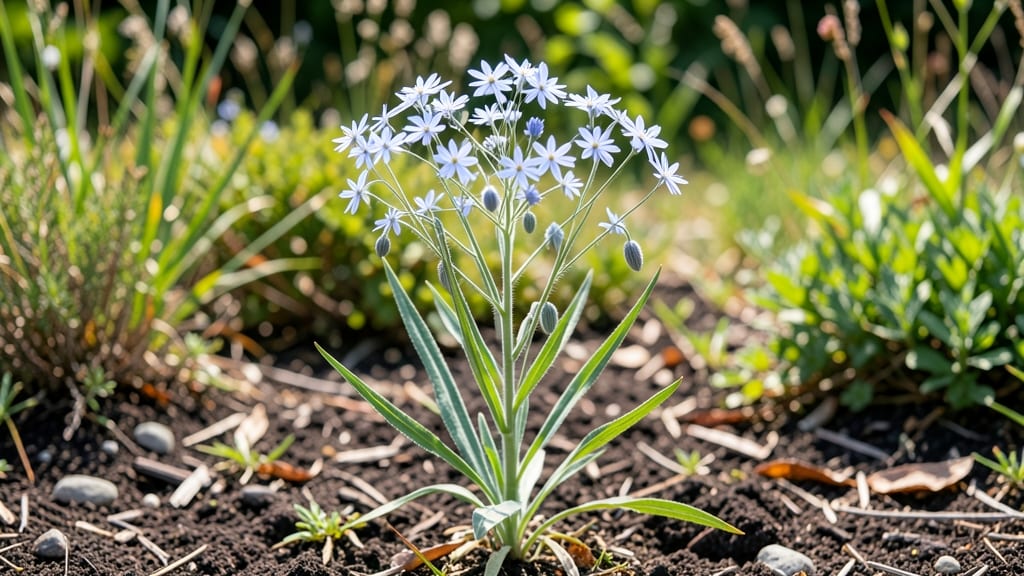
Growing the flax seed flower from seed unlocks delicate blue blooms that transform any lawn into a soft, textured carpet—but the cold-moist trick is what makes it work. ✨ I learned this the hard way after my first batch of seeds sprouted unevenly, but once I mastered the timing, my lawn became a sea of fragrant, drought-tolerant flowers that bees adore.
The secret isn't complicated: it's about patience and understanding flax's unique needs before the soil warms.
Flax thrives in zones 3-9 and loves full sun, but here's the catch: it needs consistently moist soil to germinate, which means planting in early spring or late fall when temperatures stay cool.
You'll need well-draining soil—flax hates soggy roots—and a spot where it can spread freely, as mature plants reach 2-3 feet tall. The flowers may look delicate, but they're surprisingly sturdy once established, even in dry spells.
By mid-summer, you'll be rewarded with clusters of sky-blue blooms that last for weeks, followed by seed pods that dry into a rustic gold. The plants self-seed readily, so you might find new volunteers popping up the next year.
If you're growing for seeds, let the pods fully mature before harvesting—they're a great addition to bird feeders or even homemade linseed oil.
For best results, avoid fertilizing heavily—flax prefers lean soil—and deadhead spent blooms to encourage more flowers. If you're using it as a ground cover, space seeds 12-18 inches apart to prevent overcrowding.
The key is letting nature take its course: once established, flax is nearly maintenance-free and one of the most reliable perennials for a low-care lawn alternative.
📚 In This Guide
- What you need
- Instructions
- Tips and common mistakes
- Wrapping up and next steps
What you need
- ● Flax seeds (Linum usitatissimum) – Certified organic or non-GMO, 1-2 lbs (0.5-1 kg) per 100 sq ft
- ● Well-draining soil – Sandy loam or clay-loam with a pH of 6.0-7.0 (amend with compost if needed)
- ● Watering can or hose – With a fine mist nozzle for gentle hydration
- ● Garden rake or hand fork – For light soil aeration and seed bed prep
- ○ Mulch or straw – Lightweight, to retain moisture (optional but recommended for dry climates)
- ○ Seed tape or grid – For precise spacing (optional but helpful for beginners)
- ● Lawn roller (lightweight) – To ensure seed-to-soil contact
- ● Organic fertilizer (low nitrogen) – Balanced 5-10-10 or compost tea for early growth
- ● Bird netting – If local birds love flax seeds (protects seedlings)
- ● Pruning shears – For trimming mature plants after flowering
Step-by-step guide for growing flax seed flowers in your lawn
Here’s how to coax those delicate blue blooms from flax seeds using the cold-moist trick that makes all the difference.
🌱 Step 1: Prepare the Soil for Moisture Retention
Flax thrives in well-draining but consistently moist soil, so start by amending your lawn with 2-3 inches of compost mixed into the top 6 inches of soil. Flax roots need oxygen but also steady hydration—think of it like a sponge that shouldn’t dry out completely. If your lawn drains too fast, add a thin layer of peat moss to help retain moisture without suffocating the seeds.
Work the soil gently with a rake or tiller, breaking up clumps but avoiding compaction. The goal is loose, crumbly soil that holds moisture like a well-wrung sponge. Test your prep by squeezing a handful—it should hold together when damp but crumble easily. This ensures seeds stay hydrated during germination without drowning.
💧 Step 2: Sow Seeds Using the Cold-Moist Trick
Scatter seeds ¼ inch deep in early spring or fall, when soil temperatures hover between 40-50°F. The cold-moist trick means you’ll water the area heavily right after sowing—soak the soil until water runs off the surface. This mimics natural rainfall patterns that trigger germination. Cover lightly with a thin layer of soil or mulch to protect seeds from drying winds.
Here’s the key: don’t let the soil dry out for the first 10-14 days. Check daily by pressing a finger into the soil—it should feel damp 1 inch down, like a wrung-out sponge. If it’s dry, water again immediately. This consistency is what breaks flax’s dormancy and ensures reliable sprouting. I’ve found that morning watering works best, as evening moisture can invite fungal issues.
☀️ Step 3: Provide Gentle Sun and Protection
Flax seedlings need partial shade for the first 2-3 weeks to prevent desiccation. Use shade cloth or plant them near taller grasses or shrubs that cast dappled light. Once seedlings reach 2 inches tall, gradually introduce full sun over 5-7 days—this hardens them off and prevents sunburn. You’ll know they’re ready when their stems stand upright and leaves turn a vibrant green.
Watch for leggy growth, which signals too little light or overcrowding. If stems stretch thin and pale, thin seedlings to 6 inches apart to give them room to grow. Flax flowers best in moderate sunlight, so avoid south-facing spots that bake the soil. A light breeze helps pollination, but avoid windy areas where delicate stems might flop.
✂️ Step 4: Maintain Moisture Without Overwatering
Once established, flax needs 1 inch of water weekly, either from rain or irrigation. Water deeply at the base to encourage deep root growth—shallow puddles lead to weak stems. I use a soaker hose for even moisture distribution, which keeps leaves dry and reduces mildew risk. In hot climates, water in the early morning to minimize evaporation.
Flax is drought-tolerant once mature, but blooms thrive with consistent moisture. You’ll see buds form 6-8 weeks after sowing—this is your cue to cut back on watering slightly to prevent flopping stems. Deadhead spent blooms to encourage more flowers, but leave some seed heads for self-seeding. Flax’s delicate blue blooms attract pollinators, so resist the urge to tidy too aggressively.
⏰ Step 5: Harvest Seeds for Next Year’s Lawn
When seed pods turn brown and dry (8-10 weeks after flowering), snip them with scissors and spread them on a paper towel to dry in a cool, dark place. Shake pods gently to release seeds—store them in a paper envelope in the fridge for up to 2 years. This ensures you’ll have fresh stock for future lawn plantings without buying new seeds.
Real talk: Flax self-seeds readily, so you might find volunteers popping up the next year. If you love the look, let them grow! Just thin them in spring to avoid overcrowding. The cold-moist trick works best in cooler climates, but even in heat, flax’s resilience makes it a low-maintenance lawn beauty.
Tips & tricks for perfect flax seed flower blooms
A few strategic moves will transform your lawn into a sea of delicate blue blooms—here's how to maximize the cold-moist trick for reliable results.
Soil Prep Precision: When amending your lawn with 2-3 inches of compost, focus on the top 6 inches where flax roots will establish. I've found that adding a thin layer of peat moss in sandy soils creates the ideal moisture sponge—just don't overdo it, as flax roots need oxygen too. The squeeze test is your best friend: damp soil should hold together but crumble easily, like a well-wrung sponge. This balance prevents both drowning and drying out during the critical germination phase.
Timing Your Watering: The cold-moist trick hinges on those first 10-14 days where consistent moisture breaks flax's dormancy. I've learned the hard way that morning watering is non-negotiable—evening moisture invites fungal issues that can wipe out seedlings before they sprout. Set a daily reminder to check soil dampness 1 inch down; if it feels dry, water immediately. This vigilance is what separates reliable blooms from disappointment.
Shade Transition Strategy: The 2-3 week partial shade period is where most beginners go wrong. Instead of abrupt exposure, I recommend a 5-7 day gradual transition to full sun once seedlings reach 2 inches. Start by removing shade cloth for 1-2 hours daily, then increase exposure. This hardening off prevents the shock that causes leggy, sunburned seedlings. Watch for vibrant green leaves and upright stems—they're your signal to proceed.
Harvesting Hack: When those seed pods turn brown and dry at 8-10 weeks, resist the urge to rush harvesting. Spread pods on paper towels in a cool, dark place for 3-5 days to ensure complete dryness before storing. I've found that gently shaking pods over a paper bag releases seeds more efficiently than cutting them open—just be patient, as forcing premature harvest can result in seeds that won't store properly for next year's planting.
Pro Tips for Flax Seed Flower
- A few strategic moves will transform your lawn into a sea of delicate blue blooms—here's how to maximize the cold-moist trick for reliable results.
- Soil Prep Precision: When amending your lawn with 2-3 inches of compost, focus on the top 6 inches where flax roots will establish.
- Timing Your Watering: The cold-moist trick hinges on those first 10-14 days where consistent moisture breaks flax's dormancy.
Frequently asked questions
Got questions about growing flax seed flowers for your lawn? You’re not alone! Here are some of the most common inquiries—and their straightforward answers—to help you get those stunning blooms without the guesswork.
How long does it take for flax seed flowers to grow from seed?
Flax seed flowers are fast growers! With the right conditions (cool temps and consistent moisture), you’ll see sprouts in 7–14 days. Full blooms typically appear in 6–8 weeks, though some varieties may take slightly longer. Patience pays off—those delicate blue and purple blooms are worth the wait!
Do flax seed flowers need a lot of water?
Not at all! Flax thrives in moist but well-drained soil. Overwatering can drown seeds or cause rot, while underwatering may stunt growth. Aim for 1 inch of water per week (including rainfall) and reduce watering once established. Pro tip: Mulch lightly to retain moisture without smothering seedlings.
Can I grow flax seed flowers in warm climates?
Flax prefers cool seasons (spring or fall), but warm climates can still work with timing. Plant seeds in early spring or late summer to avoid peak summer heat. If your area stays hot year-round, consider shade cloth or growing them in containers where you can move them to cooler spots. They’re tough but not heat-loving!
What can I do if my flax seeds aren’t sprouting?
Don’t panic—try these troubleshooting steps:
- Check soil temp: Seeds need soil between 45–75°F. If it’s too hot, wait for cooler weather.
- Ensure moisture: Keep soil damp (not soggy) until germination. A spray bottle works well for small areas.
- Test seed viability: Soak a few seeds in water overnight—if they swell, they’re good. If not, try fresh seeds.
- Light exposure: Flax needs sunlight but not direct midday heat. A partially shaded spot can help.
Are there alternatives to flax seed flowers for quick lawn blooms?
If flax isn’t your style, try these fast-growing, low-maintenance alternatives:
Plant
Bloom Time
Best For
Sweet Alyssum
4–6 weeks
Ground cover, pollinators
Lobularia (Dwarf Alyssum)
5–7 weeks
Cold-hardy, fragrant
Cornflower
8–10 weeks
Drought-tolerant, tall blooms
Calendula
6–8 weeks
Edible, bright colors
Wrapping up and next steps
Growing flax seed flowers for a stunning lawn isn’t just possible—it’s easier than you think! With the right cold-moist technique, you can enjoy vibrant blooms that add charm and texture to your outdoor space.
Whether you're a gardening newbie or a seasoned pro, these tips make the process simple and rewarding.
Ready to transform your lawn? Start by prepping your soil this weekend—moisture, patience, and a little flax magic are all you need! 🌱✨