
Propagation
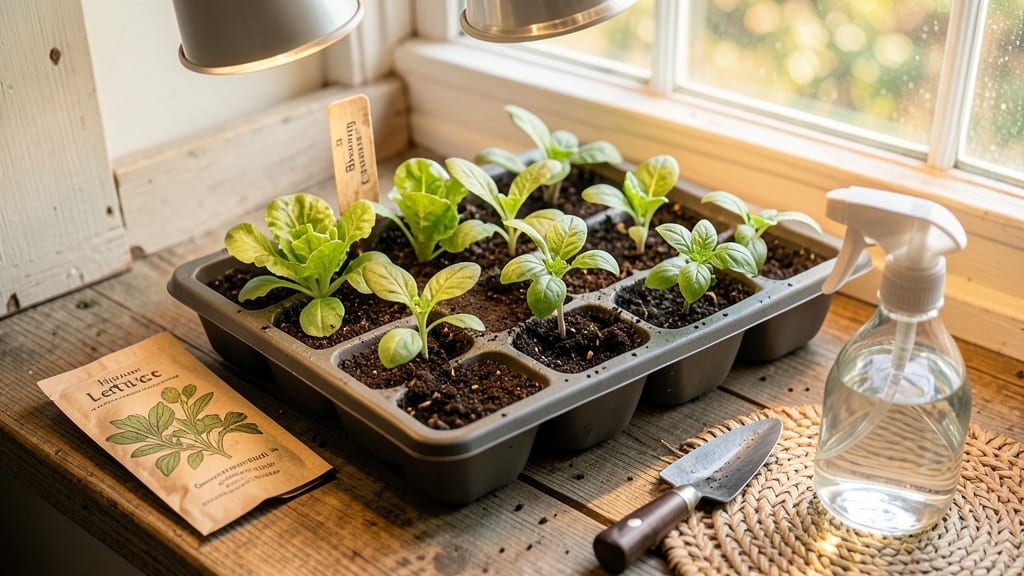
Mastering growing from seed tips means foolproof germination—no more wilting trays of disappointment. 🌱 I’ve learned the hard way that timing, soil warmth, and patience are everything, and these small tweaks make all the difference between a thriving seedling and a sad, crumpled seed packet.
The secret isn’t complicated: moisture, warmth, and light in the right order. Too much water drowns seeds; too little leaves them parched. A heat mat or sunny windowsill can speed up germination, while consistent moisture keeps seeds from drying out before they sprout.
Every plant has its own rhythm—some pop up in days, others take weeks. By the time you see those first green hooks breaking through the soil, you’ll know exactly what to expect next.
Proper spacing, gentle watering, and the right light will turn those fragile sprouts into sturdy seedlings ready for transplanting—no more leggy, weak plants struggling to stand. This works for everything from fast-growing radishes to stubborn heirloom tomatoes. Let’s get those seeds growing the right way, the first time.
📚 In This Guide
- What you need
- Instructions
- Tips and common mistakes
- Wrapping up and next steps
What you need
- ● Seeds: Choose high-quality, fresh seeds (check the packet for viability dates). Aim for 1-2 seeds per container for most plants.
- ● Seed-starting containers: Small pots (2-4 inches wide) or seed trays with individual cells (e.g., 72-cell trays for fine seeds like lettuce).
- ● Biodegradable pots (e.g., peat or coconut fiber) if transplanting directly into the garden.
- ● Seed-starting mix: A lightweight, sterile mix designed for seedlings (avoid garden soil—it’s too dense!). A 10-15 quart bag covers most small batches.
- ● Watering can or spray bottle: A fine-mist spray bottle keeps seeds moist without disturbing them.
- ● Grow lights or sunny windowsill: Grow lights (LED or fluorescent, 12-16 inches above seedlings) for 12-16 hours/day.
- ● OR a south-facing window with consistent sunlight (6+ hours/day).
- ○ Heat mat (optional but helpful): For slow-germinating seeds (e.g., peppers, tomatoes), a seedling heat mat (70-80°F) speeds up germination.
- ● Labels & markers: Use plant label tags or popsicle sticks to track varieties (write in pencil—it won’t smudge!).
- ● Humidity dome or plastic wrap: Creates a mini greenhouse effect for seeds needing warmth/moisture (e.g., carrots, parsley).
- ● Fertilizer: A balanced, water-soluble fertilizer (5-5-5 or 10-10-10) diluted to half-strength for seedlings after 2-3 weeks.
- ● Tweezers or small spoon: For delicate seeds (e.g., orchids, succulents) to avoid crushing.
- ○ Thermometer (optional): Soil thermometer to monitor germination temps (ideal range: 65-85°F for most seeds).
Step-by-Step guide to mastering seed germination timelines
Here's how I've learned to predict—and control—when seeds sprout, so you won't waste time guessing.
🌱 Step 1: Understand Your Seed's Germination Type
Not all seeds behave the same. Some need light to germinate (like lettuce), while others (like beans) need darkness. Check your seed packet for specifics, but here's the rule: fast germinators (like radishes) sprout in 3-7 days, while slow ones (like tomatoes) can take 7-21 days. I always group seeds by type—fast ones in one tray, slow ones in another—to avoid confusion.
Temperature matters too. Most seeds germinate best between 65-75°F, but some (like peas) prefer cooler 50-60°F. Use a seedling heat mat if your home runs cooler. You'll see faster, more consistent sprouts when conditions match the seed's natural environment.
💧 Step 2: Prep Seeds and Soil for Success
Start by soaking seeds overnight in lukewarm water for 12 hours—this softens the outer coating and speeds up germination. Skip this for tiny seeds like snapdragons, as they'll absorb too much water. Fill your seed trays with moistened seed-starting mix (not garden soil) and press it down lightly so it's firm but not compacted.
Plant seeds at the correct depth—usually twice their diameter. Press them in gently, then cover with a fine layer of soil. Mist the surface with water until it's damp but not soggy. The key here is consistency: even moisture prevents seeds from drying out before they sprout. I use a spray bottle to avoid displacing seeds.
☀️ Step 3: Create the Ideal Germination Environment
Place your trays in a warm, dark spot (like on top of the fridge) until you see first signs of sprouting. Most seeds need darkness to germinate, but some (like petunias) need light. Check your packet or use this rule: if the seed is tiny and flat, it likely needs light; if it's large and round, it probably doesn't.
Keep the soil moist but not waterlogged—you'll know it's right when the surface feels damp but not glistening. Once sprouts appear, move them to a bright spot with 12-16 hours of light daily. Without enough light, seedlings stretch toward the source (called "legginess"), and they'll never recover. I use a grow light on a timer to keep things consistent.
⏰ Step 4: Track Germination Progress Like a Pro
Start tracking the day you plant your seeds. Most packets include a germination timeline, but I like to adjust for my conditions. For example, if your home is cooler than 65°F, germination could take 2-3 extra days. Write down the variety, planting date, and expected sprout time on a small chalkboard or sticky note near your trays.
Watch for the first true leaves (the second set after the initial seed leaves). This is your signal that the seedling is photosynthesizing properly. If you see mold or fuzzy growth, remove the affected seedlings immediately—this is damping-off, a fungal disease that spreads fast. Once 50% of seeds have sprouted, thin to the strongest seedlings to avoid competition.
🌿 Step 5: Adjust Care Based on Seedling Age
After 10-14 days, seedlings need more space and stronger light. If they're still in a tray, consider transplanting them into individual pots to prevent root binding. Use your finger to gently loosen the roots before moving them—this reduces transplant shock. Water from the bottom now to encourage deep root growth and avoid wetting the leaves.
Here's the thing—some seeds (like carrots) take 3-4 weeks to germinate, and you might think they're not working. But if the soil is moist and warm, they're just being patient. Don't give up! Once they sprout, they grow fast. I always keep a log of what I've planted and when, so I don't lose track of slow starters.
Tips & tricks for perfect seed germination timelines
Took me years to figure out these little tricks that make all the difference between impatiently discarding seeds "too late" and watching them pop up like clockwork.
Light and Darkness Strategy: In Step 3, when you're deciding where to place your trays, here's the thing: most seeds need darkness to germinate, but some (like petunias) need light right away. I keep a small seedling tray under a grow light for light-loving seeds, while the rest stay in a dark cabinet until they sprout. That 12-16 hours of light only kicks in after sprouting—don't move them too soon!
Temperature Matters: The 65-75°F range is your sweet spot, but don't panic if your home runs cooler. I've had great success with a simple seedling heat mat set to 70°F—it creates a microclimate that speeds up germination by 2-3 days. For cooler-loving seeds like peas (50-60°F), I just move the tray to a basement corner until sprouts appear.
Soil Moisture Secret: The instructions mention keeping soil damp, but here's what nobody tells you—overwatering is just as bad as underwatering. I use a spray bottle to mist the soil until water runs through the drainage holes, then wait until the top inch feels dry before watering again. This prevents both drowning seeds and creating crusty surfaces that block sprouts.
Seedling Age Adjustments: After those first 10-14 days, here's my pro move: I transplant seedlings into individual pots with a bit of worm castings mixed into the soil. The extra nutrients give them a boost, and the larger space prevents root competition. I also switch to bottom-watering at this stage—it keeps leaves dry and reduces damping-off risk dramatically.
Pro Tips for Growing From Seed Tips
- Took me years to figure out these little tricks that make all the difference between impatiently discarding seeds "too late" and watching them pop up like clockwork.
- Light and Darkness Strategy: In Step 3, when you're deciding where to place your trays, here's the thing: most seeds need darkness to germinate, but some (like petunias) need light right away.
- Temperature Matters: The 65-75°F range is your sweet spot, but don't panic if your home runs cooler.
Frequently asked questions
Got questions about growing from seed? You’re not alone—even seasoned gardeners hit snags! Here are answers to the most common growing from seed tips queries to keep your green thumb thriving.
How long does it take for seeds to germinate?
Germination time varies wildly! Fast growers like radishes sprout in 3–7 days, while slowpokes like tomatoes or roses can take 7–21+ days. Check your seed packet for specifics—it’s your best guide! Pro tip: Keep soil consistently moist (not soggy) and warm (70–90°F for most veggies) to speed things up.
What if my seeds aren’t sprouting after 2 weeks?
Don’t panic—yet! First, check if your seeds are viable (test a few in damp paper towels). If they’re fresh but stubborn, try these fixes:
- Adjust moisture: Too dry? Mist lightly. Too wet? Let the top inch dry slightly.
- Temperature tweak: Move to a warmer spot (like a seedling heat mat) or cooler one if overheating.
- Light check: Some seeds (like lettuce) need darkness to germinate—cover them until sprouts appear!
Can I use regular potting soil for seed starting?
Not always! Seed-starting mix is lighter and sterile, which prevents damping-off disease (a fungal nemesis). Regular potting soil can compact, suffocate roots, and harbor pathogens. Mix it with perlite or vermiculite (20–30%) if you’re in a pinch, but seedling blends are worth the upgrade for fuss-free sprouts.
When is the best time to start seeds indoors?
Timing depends on your plant’s mature size and last frost date. A handy rule:
- Fast growers (basil, lettuce): Start 4–6 weeks before transplanting.
- Medium growers (peppers, tomatoes): Begin 6–8 weeks early.
- Slow growers (trees, perennials): Start 10–12 weeks ahead.
Why are my seedlings leggy and stretching toward the light?
Leggy seedlings crave light—and fast! If they’re reaching like sun-worshippers:
- Move them closer to a south-facing window (within 1–2 inches) or use grow lights (12–16 hours/day).
- Rotate trays daily so they grow straight, not lopsided.
- Avoid overcrowding: Thin or transplant when they have 1–2 true leaves.
Wrapping up and next steps
Growing from seed is a rewarding journey that connects you to nature’s magic—one tiny sprout at a time! 🌱 By mastering the germination timeline and following the right growing from seed tips, you’ll unlock the joy of nurturing plants from scratch.
Whether you’re a beginner or a seasoned gardener, patience and consistency are your best allies.
Ready to turn your green thumb into a legend? Start small—pick one easy seed (like basil or marigolds) to practice, then expand your garden with confidence. Happy planting! 🌿