
Pruning
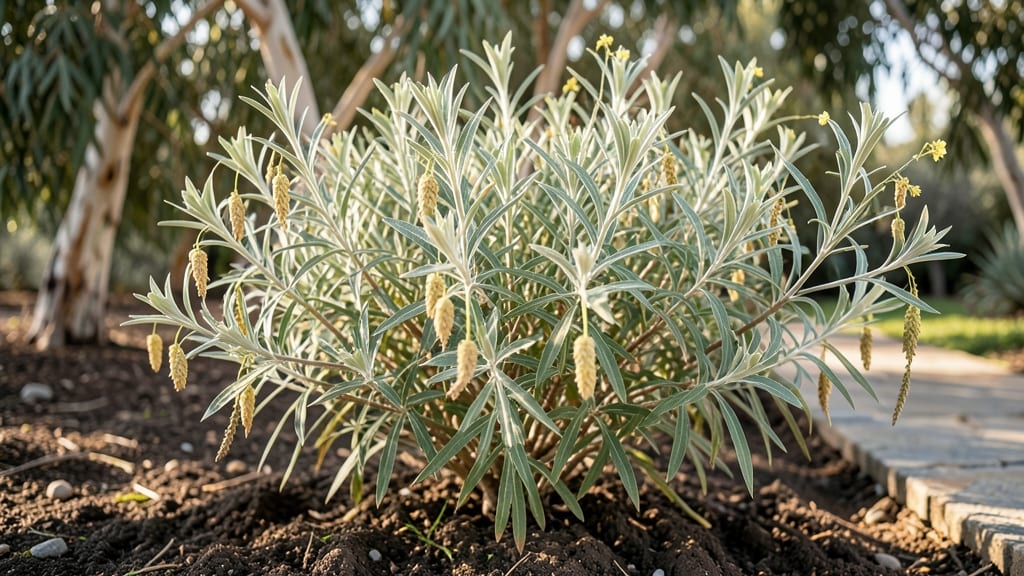
Growing hopseed bush in Tucson isn’t just possible—it’s a drought-defying powerhouse that thrives where most plants wilt. 🌵 I’ve watched mine push through 110-degree summers with barely a sip of water, its silvery foliage shimmering like desert armor. The key? Understanding its desert roots and Tucson’s brutal-but-beautiful climate.
This plant craves full sun, rocky or sandy soil, and zero coddling—perfect for Tucson’s alkaline dirt and urban heat islands. Skip the rich compost; it’ll reward you with year-round harvests of edible seeds and vibrant foliage.
Plant in fall or early spring to avoid monsoon stress, and use cuttings (not seeds) for faster, hardier growth. Pruning is where the magic happens: light shaping in late winter keeps it compact and productive, while monsoon trimming prevents waterlogged roots. Pest pressure?
Almost none—just watch for spider mites in extreme heat. The result? A low-maintenance, high-impact plant that turns Tucson’s harsh conditions into a gardening advantage. Local nurseries like Tucson Nursery stock it, and it pairs beautifully with agave, yucca, or desert willows for a native-inspired landscape.
Ready to grow something that wants to live in the desert?
📚 In This Guide
- What you need
- Instructions
- Tips and common mistakes
- Wrapping up and next steps
What you need
- ● Pruning shears: Bypass pruners (sharp, sterilized with rubbing alcohol) – 1 pair (for small branches).
- ● Loppers: Heavy-duty, 16–20-inch reach – 1 pair (for thicker branches up to 1.5-inch diameter).
- ● Hand saw: Pruning saw with 8–10-inch blade – 1 (for stubborn, woody growth).
- ● Garden gloves: Cut-resistant (e.g., mechanix or workhorse brands) – 1 pair (protects from thorns and sap).
- ● Disinfectant: 70% isopropyl alcohol or bleach solution (1:9 ratio) – small bottle (prevents disease spread).
- ● Heavy-duty trash bags: 30–50 gallon – 2–3 bags (for debris disposal).
- ● Watering can or hose: With adjustable nozzle – 1 (for post-pruning hydration).
- ● Mulch: 2–3 inches of organic mulch (e.g., straw or wood chips) – enough to cover pruned area (retains moisture).
- ● Extension pole: 3–6 foot with pruner attachment – 1 (for high branches).
- ● Hedge shears: 12–18-inch – 1 pair (for shaping dense foliage).
- ● Pruning sealant: (e.g., Tanglefoot Tree Wound Pruning Seal) – small tube (for large cuts, though hopseed heals well without it).
- ● Safety glasses: – 1 pair (if dealing with dusty or thorny debris).
- ● Notebook & pen: – 1 (to track pruning dates and plant responses).
Step-by-step instructions for growing hopseed bush in Tucson’s climate
This desert-friendly approach keeps your hopseed bush thriving year-round with minimal fuss.
🌱 Step 1: Select the Perfect Planting Spot
Hopseed bush (Dodonaea viscosa) thrives in full sun—at least 6 hours daily—but Tucson’s intense afternoon heat demands smart placement. Choose a location with morning sun exposure and afternoon shade from a wall or patio umbrella. The soil should drain rapidly, so avoid low spots where water pools after monsoon rains.
I always test drainage by digging a 6-inch hole, filling it with water, and watching how quickly it drains. If it takes more than 30 minutes, amend the soil with 2-3 inches of coarse sand or gravel before planting. The bush tolerates poor soil but grows best in sandy loam with a pH between 6.0 and 7.5—Tucson’s native alkaline soil works perfectly with no adjustments.
☀️ Step 2: Plant at the Right Time and Depth
Timing matters in Tucson’s 100°F+ summers. Plant your hopseed bush in early spring (March) or fall (October), when temperatures hover between 60°F and 80°F. Dig a hole twice as wide as the root ball but only as deep—planting too deep suffocates roots and causes stress.
Gently remove the plant from its container and loosen any circling roots with your fingers. Place it in the hole so the top of the root ball sits level with the surrounding soil. Backfill with native soil, tamping lightly to eliminate air pockets. Water deeply immediately after planting to settle the soil and encourage root contact. You’ll know it’s right when the soil surface looks slightly firm but not rock-hard—like a well-packed sandcastle.
💧 Step 3: Water Deeply but Infrequently
Hopseed bush is drought-tolerant once established, but young plants need consistent moisture for the first 6-8 weeks. Water once a week during this period, delivering 1-2 gallons per plant until water runs out the drainage holes. Overwatering in Tucson’s heat leads to root rot, so always check moisture by sticking your finger 2 inches into the soil—if it feels dry, water again.
After the initial phase, reduce watering to every 2-3 weeks unless you see wilting leaves or dry, crispy edges. Mulch with 2-3 inches of gravel or crushed rock (organic mulch attracts pests in desert climates) to retain moisture and regulate soil temperature. The bush’s silvery foliage signals heat stress if it appears dull or yellow—this means you’re either underwatering or overwatering.
✂️ Step 4: Prune for Desert Growth Habits
Pruning hopseed bush in Tucson isn’t about shaping—it’s about encouraging bushy growth and preventing leggy stems. The best time to prune is late winter (February), just as new growth begins. Cut back one-third of the oldest stems to the ground, and trim any crossing or weak branches with clean, sharp pruners. This stimulates dense, compact growth and prevents the bush from becoming top-heavy in summer winds.
Here’s the trick: never prune in summer. The intense heat causes sap bleeding, and new growth struggles to harden off before monsoon season. After pruning, apply a balanced 10-10-10 fertilizer (½ cup per plant) to support recovery. You’ll see new shoots within 3-4 weeks—these are your signal that the bush is responding well.
🌿 Step 5: Harvest and Maintain Year-Round
Hopseed bush produces edible seed pods that ripen from green to brown between fall and winter. Harvest pods when they’re dry and papery—twist them gently to remove. The bush also yields leaves and stems, which you can snip anytime except winter (growth slows below 50°F). Prune lightly after harvest to encourage continuous regrowth.
In Tucson’s climate, pests are rare, but watch for aphids on new growth. Spray with neem oil if you see sticky residue on leaves. The bush’s silver foliage naturally deters most insects, but scale can appear on older stems. Scrape these off with a soft brush or rubbing alcohol-soaked cloth—never use chemical sprays near edible parts.
Tips & tricks for desert-adapted hopseed bush care
Here's what I've learned after years of growing these resilient bushes in Tucson's brutal climate—these tricks make all the difference between survival and thriving.
Location Strategy: The morning sun/afternoon shade combo is non-negotiable in Tucson's 100°F+ summers. I've seen plants near west-facing walls crisp in days—look for spots where shade appears by 11 AM. Pro tip: Use a temporary shade cloth during the hottest months if you can't find perfect shade. The bush's silvery leaves actually reflect heat, but they can't handle direct afternoon rays for long.
Soil Test Hack: Tucson's native soil drains too quickly for most plants, but hopseed bush thrives in this environment. That said, if your 6-inch drainage test shows water disappearing in under 10 minutes, you're golden—no amendments needed. For slower drainage (over 30 minutes), mix in 2-3 inches of coarse sand only in the planting hole, not throughout the bed. This prevents water pooling while still allowing roots to breathe.
Pruning Timing Secret: Late winter pruning in February might seem counterintuitive, but this is when the bush's energy shifts from dormancy to growth. I cut back one-third of oldest stems to stimulate new shoots—just don't go overboard. Too much pruning now stresses the plant before monsoon season kicks in. And never prune in summer: the 100°F+ heat causes sap bleeding that weakens the plant.
Watering Insight: The 2-inch soil check method works perfectly, but here's the Tucson twist: water deeply in the morning so roots absorb moisture before afternoon heat evaporates it. I've seen plants with wilting leaves that were actually overwatered—check for yellowing (underwatering) vs. mushy stems (overwatering). The gravel mulch is crucial: it keeps soil temps stable and prevents that dry, crispy edge look that signals heat stress.
Pro Tips for Hopseed Bush Tucson
- Here's what I've learned after years of growing these resilient bushes in Tucson's brutal climate—these tricks make a...
- Location Strategy: The morning sun/afternoon shade combo is non-negotiable in Tucson's 100°F+ summers. I've seen plan...
- Soil Test Hack: Tucson's native soil drains too quickly for most plants, but hopseed bush thrives in this environment...
Frequently asked questions
Got questions about growing and maintaining your hopseed bush (Dodonaea viscosa) in Tucson’s desert climate? Here are some common queries—and their answers—to help you keep your plant thriving year-round:
Is hopseed bush toxic to pets or children?
The hopseed bush contains saponins, which can cause mild stomach upset if ingested in large quantities. While not highly toxic, it’s best to keep pets (especially curious dogs) from chewing the leaves. Opt for supervised outdoor spaces or plant it in less accessible areas if you have furry friends at home.
How often should I prune my hopseed bush in Tucson’s heat?
Light pruning every 3–4 months encourages bushier growth and prevents legginess. In Tucson’s intense summers, focus on trimming after heavy blooms (spring/fall) to reduce water stress. Avoid aggressive pruning in peak heat—stick to shaping rather than heavy cuts.
Can I grow hopseed bush in containers, or does it need ground planting?
Yes! Hopseed bushes thrive in large containers (15+ gallons) with excellent drainage. Use a cactus/succulent mix and ensure the pot has drainage holes. Container-grown plants may need slightly more frequent watering (every 7–10 days) but adapt well to patios or balconies.
Why are my hopseed bush leaves turning yellow or brown?
Yellowing leaves often signal overwatering or poor drainage. Brown, crispy edges? It’s likely underwatering or sunburn (common in Tucson’s harsh sun). Check soil moisture (top 2 inches should be dry) and provide afternoon shade if leaves look stressed. Adjust watering to deep but infrequent soaks.
Are there drought-resistant alternatives to hopseed bush for Tucson?
If hopseed bush isn’t your style, try these low-water, desert-adapted shrubs:
- Desert Willow (Chilopsis linearis) – Drought-tolerant with stunning blooms.
- Texas Sage (Leucophyllum frutescens) – Thrives on neglect, purple flowers.
- Agave (varieties like ‘Blue Glow’) – Zero-maintenance, architectural beauty.
Wrapping up and next steps
Growing a thriving hopseed bush (Dodonaea viscosa) in Tucson’s desert climate isn’t just possible—it’s rewarding! With the right pruning techniques, you’ll enjoy year-round harvests of edible seeds, vibrant foliage, and even wildlife-friendly blooms. 🌵✨ Whether you’re a beginner or a seasoned gardener, this desert-adapted approach makes maintenance simple and sustainable.
Ready to take the next step? Start by scheduling your first pruning session in early spring—just follow the tips you’ve learned to shape your bush and boost its productivity. Your desert garden awaits!