
Propagation
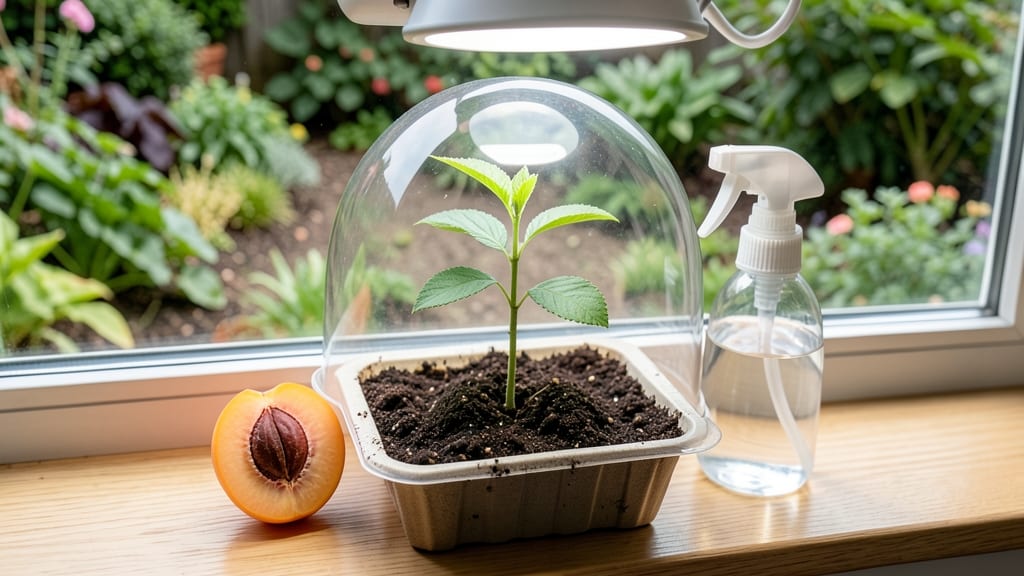
Growing a peach tree from seed indoors starts with the right pit and a cold stratification trick that mimics winter's magic. 🌱 I've watched my kitchen counter transform into a nursery where tiny roots push through paper towels, and now I'm sharing how to turn that seed into a sapling—no green thumb required.
The secret lies in patience: that pit needs 60-90 days in the fridge before it'll even think about sprouting. Most people rush this step and end up with moldy pits instead of seedlings. I learned that the hard way after three failed attempts—now I mark my calendar and set reminders.
By spring, you'll have a 6-inch sapling ready for its first pot. The real reward? Watching it grow into a tree that could one day bear fruit, even if it takes 5-10 years. The journey is what makes it special—every stage feels like a tiny victory.
This method works year-round, whether you're starting in winter or summer. The key is keeping the seedling's environment stable while it grows strong enough for outdoor planting. Let's get those pits sprouting!
📚 In This Guide
- What you need
- Instructions
- Tips and common mistakes
- Wrapping up and next steps
What you need
- ● Peach pit: A fresh, high-quality pit from a ripe peach (avoid store-bought varieties if you want true-to-type fruit later).
- ● Paper towel or damp cloth: For cold stratification (1-2 sheets or a small square).
- ● Plastic bag or airtight container: To seal the pit during stratification (ziplock bag works great!).
- ● Small pots (2-3 inches in diameter): With drainage holes (2-3 pots for transplanting later).
- ● Well-draining potting mix: A blend of peat moss, perlite, and vermiculite (or a seed-starting mix).
- ● Spray bottle: For gentle watering (avoid over-saturating the soil).
- ● Grow lights or sunny windowsill: 6-8 hours of light daily (south-facing window or LED grow lights).
- ○ Heat mat (optional but helpful): To maintain soil warmth (70-75°F) during germination.
- ● Small hand trowel or spoon: For planting seeds gently.
- ○ Humidity dome or plastic wrap: To retain moisture while seedlings establish (optional but useful).
- ● Fertilizer (balanced, water-soluble): 10-10-10 or 20-20-20 (diluted to half-strength for seedlings).
- ● Pruning shears: For future trimming (not needed yet, but handy later!).
- ○ Thermometer (optional): To monitor soil and room temperatures during stratification.
Step-by-step instructions for growing a peach tree from seed indoors
Here's how I turn a simple peach pit into a thriving seedling—no fancy equipment needed.
🌱 Step 1: Extract and Prepare the Peach Pit
Start by cleaning a fresh peach pit thoroughly under running water to remove all fruit residue. Use a paper towel to dry it completely—moisture speeds up mold growth. The pit's hard shell protects the seed inside, but we need to soften it slightly for germination.
Place the dry pit between two layers of damp paper towels. Fold the towels around it so the pit sits snugly. Store this bundle in a sealed plastic bag and refrigerate for 4-6 weeks. This cold stratification mimics winter conditions, breaking the seed's dormancy. Check weekly—if the towels dry out, mist them lightly with water.
💧 Step 2: Germinate the Seed
After cold treatment, remove the pit and plant it ½ inch deep in a small container filled with moist seed-starting mix. Use a 4-inch pot for each pit since peach roots grow quickly. Press the soil gently around the pit—don't pack it down too hard or the seedling will struggle to emerge.
Place the container in a warm spot (around 70-75°F) with bright, indirect light. A sunny windowsill works, but avoid direct sun that can dry the soil too fast. Keep the mix consistently moist—stick your finger in daily. You'll see the first tiny shoot in 2-4 weeks, usually from the bottom of the pit where the root starts growing first.
☀️ Step 3: Transplant and Provide Proper Light
Once the seedling reaches 3-4 inches tall with visible leaves, transplant it into a 6-inch pot with fresh potting mix. Handle the delicate roots carefully—they're prone to damage. Bury the stem up to its first set of true leaves (not the initial seed leaves) to encourage stronger growth.
Move the pot under full-spectrum grow lights for 14-16 hours daily if natural light is insufficient. Peach trees need strong light to develop properly. You'll notice leggy growth if the light is too weak—this means the seedling is stretching toward any available light source. Rotate the pot weekly so the tree grows straight rather than leaning.
🌿 Step 4: Care for the Young Seedling
Water the seedling when the top ½ inch of soil feels dry. Use room-temperature water and pour it slowly at the base to avoid disturbing the roots. Fertilize lightly with a diluted balanced fertilizer (10-10-10) every 4-6 weeks starting when the tree is 6 inches tall.
Watch for signs of overwatering—yellowing leaves or mushy stems mean you're keeping the soil too wet. Peach trees prefer slightly drier conditions once established. Prune any weak or crossing branches with clean scissors to encourage a strong structure. By 6-12 months, your seedling should be sturdy enough for outdoor planting in warmer climates.
Tips & tricks for growing a peach tree from seed indoors
Took me years to figure out these tricks after watching my first few peach pits fail—here's what actually works.
The Cold Stratification Secret: Don't rush the 4-6 week cold treatment! The refrigerator mimics winter's natural dormancy period, which is crucial for breaking the seed's hard shell. I've seen people skip this step and wait months for germination—or never get results at all. Place a small dish of water in your fridge near the bag to maintain humidity without over-moistening the towels.
Planting Depth Matters: The ½-inch planting depth in Step 2 is perfect—any deeper and the seedling struggles to emerge, any shallower and it dries out too fast. Press the soil gently around the pit rather than packing it down. Think "light as a feather" rather than "firm as a brick." I use my finger to make a small dimple for the pit, then cover it with just enough soil to hold it in place.
Lighting Troubleshooting: If you don't have grow lights, position your seedling within 12 inches of a south-facing window during daylight hours. You'll know it's getting enough light when the leaves are dark green and compact—not pale yellow or stretched out. Rotate the pot weekly so all sides get even exposure, preventing that classic "leggy" growth that happens when seedlings stretch toward the light source.
Fertilizer Timing: Wait until your seedling hits 6 inches before introducing fertilizer—this gives it time to establish roots without burning them. I use half-strength fertilizer (mix ½ teaspoon per gallon of water) the first time, then gradually increase to full strength over subsequent feedings. Over-fertilizing at this stage is the fastest way to kill a young seedling.
Pro Tips for Grow A Peach Tree From A Seed Indoors
- Took me years to figure out these tricks after watching my first few peach pits fail—here's what actually works.
- The Cold Stratification Secret: Don't rush the 4-6 week cold treatment! The refrigerator mimics winter's natural dorm...
- Planting Depth Matters: The ½-inch planting depth in Step 2 is perfect—any deeper and the seedling struggles to emerg...
Frequently asked questions
Got questions?
Growing a peach tree from seed indoors can feel like a gamble, but don’t worry—we’ve got answers! Here are some of the most common questions (and concerns) to help you navigate the process like a pro.
How long does it take for a peach seed to germinate indoors?
With proper cold stratification (60–90 days in the fridge), germination typically starts in 3–12 weeks after planting in soil. Some seeds may sprout faster, while others take longer—patience is key! Keep the soil moist and warm (around 70°F) to encourage speedy growth.
Will my seed-grown peach tree produce fruit like the parent tree?
Probably not! Seed-grown trees are not true to type—meaning the fruit may differ in size, flavor, or even ripening time. For reliable fruit, graft a known variety onto your seedling later. Think of this as a fun experiment, not a guaranteed orchard!
Do I have to cold-stratify peach seeds? Can’t I just plant them directly?
Cold stratification mimics winter and breaks seed dormancy, which is critical for peach seeds. Skipping it often results in slow, weak, or no germination. If you’re short on time, try soaking seeds in water for 24 hours first, but stratification still boosts success rates dramatically.
What if my seedling grows leggy or weak? How do I fix it?
Leggy seedlings usually mean too little light. Move your tray to a brighter spot (south-facing window or grow lights) and rotate it daily. If the stem is soft or mushy, it might be overwatered—let the top inch of soil dry out between waterings. A little fertilizer (diluted fish emulsion) can also give it a growth boost!
When should I transplant my peach seedling outdoors?
Wait until after the last frost and only when the seedling is at least 12–18 inches tall with a sturdy stem. Harden it off by placing it outside for a few hours daily over 1–2 weeks. Choose a sunny, sheltered spot with well-draining soil—peach trees hate soggy roots!
What if my seed doesn’t germinate at all?
Don’t toss it yet! Try re-stratifying the seed for another 30–60 days, then replant. Some seeds need extra time or may be damaged. If all else fails, save the pit for next year’s experiment—peach seeds can stay viable for months if stored dry and cool. →
Wrapping up and next steps
Growing a peach tree from seed indoors is a rewarding journey that blends patience with the joy of nurturing life! With the right tools—like cold stratification—and a little care, you’ve got everything you need to sprout a tiny seed into a potential fruit-bearing tree.
Remember, consistency is key, and even if the process takes time, each step brings you closer to that first peach harvest.
Ready to take the next step? Once your seedling is strong enough, transplant it outdoors during the warmer months (or keep it in a sunny spot indoors) and watch it grow! 🌱✨