
Size
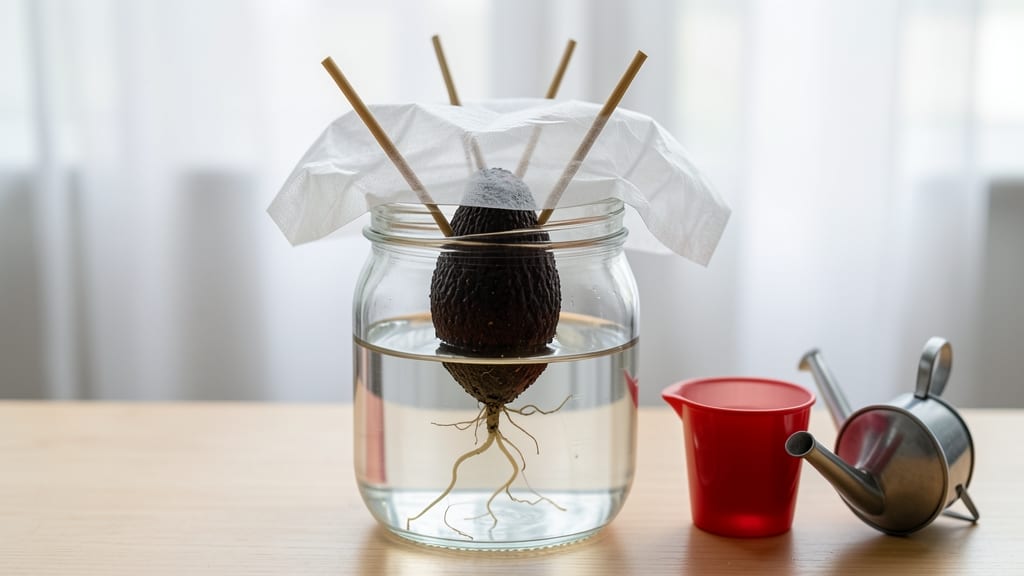
Growing an avocado seed in water turns kitchen scraps into a living plant—root sprouts appear in just 2 weeks if you nail the setup. 🌱 I’ve watched these stubborn little seeds defy expectations, pushing through stubborn shells to grow roots before most houseplants even think about germinating.
The key? Keeping the water fresh, the seed stable, and the patience dialed up high. You only need three things: a ripe avocado pit, three toothpicks, and a jar of water. No fancy tools, no greenhouse—just a sunny windowsill and a few minutes of setup.
The toothpicks prop up the seed so half sits in water, while the rest stays dry. Roots usually appear within 10-14 days, but some take longer. That’s where the patience comes in—no rushing, no peeking too often.
Once you see 1-2 inch roots, it’s time to transplant into soil. The first few weeks are critical: keep the soil moist but not soggy, and place it in bright, indirect light.
You’ll likely see slow growth at first, but with consistency, you’ll have a 3-foot-tall tree in 5 years—yes, avocado trees live that long indoors. Troubleshooting is half the fun. Mold? Dump the water and rinse the jar. Stunted growth? Check for drafts or overwatering.
And no, it won’t bear fruit indoors—but the journey from seed to sapling is pure magic. Ready to start?
📚 In This Guide
- What you need
- Instructions
- Tips and common mistakes
- Wrapping up and next steps
What you need
- ● 1 fresh avocado pit – Choose a seed from a ripe, organic avocado (like Hass) for the best results.
- ● 1 glass or jar – A clear, tall container (at least 6–8 inches tall) with a mouth wide enough for the seed to rest on the rim.
- ● Toothpicks (3–4) – Bamboo or plastic (avoid metal if storing long-term).
- ● Water – Room-temperature, filtered, or tap water (chlorine-free if possible). Change it every 2–3 days.
- ● Paper towels or cloth – To keep the seed dry while it sprouts.
- ● Food coloring (non-toxic) – Adds fun to tracking root growth!
- ● Small pebbles or marbles – Helps weigh down the seed if it floats.
- ● Humidity dome or plastic wrap – Speeds up germination in dry climates.
- ● Spray bottle – For misting if the seed dries out.
Step-by-step instructions for growing avocado seeds in water
Here’s how to coax roots from your avocado pit in just two weeks—no fancy tools needed.
🌱 Step 1: Prepare the Seed for Planting
Start with a fresh avocado pit—one that’s been eaten and cleaned. Rinse it under running water to remove any fruit residue, then pat it dry with a paper towel. The key here is to expose the seed’s base where the roots will emerge. I like to use a butter knife to gently scrape away the outer brown skin, being careful not to cut into the actual seed itself. You’ll see a small, smooth, tan-colored area at the bottom—this is where your roots will sprout.
Don’t rush this step. If you nick the seed, it won’t grow. Think of it like peeling an orange—just enough to reveal what’s underneath. Once the seed is prepped, place it in a glass or jar with about 1 inch of water covering the bottom. The water level should never touch the seed itself, just the base where you scraped the skin off.
💧 Step 2: Position and Maintain the Water Level
Place the seed in the jar so that only the bottom third is submerged in water. The rest of the seed should stay dry and exposed to air. This mimics natural conditions and prevents rot. I use a clear glass so I can watch the roots grow—it’s oddly satisfying to see progress. Set the jar in a warm spot, like near a sunny window or on top of a fridge, where the temperature stays between 70-80°F. Avoid direct sunlight at first; it can overheat the water and stress the seed.
Change the water every 2-3 days to keep it fresh. Stagnant water breeds bacteria that can rot the seed before roots even form. You’ll know it’s time to refresh when the water looks cloudy or smells funky. Use room-temperature water—cold water can shock the seed and delay sprouting.
☀️ Step 3: Wait for Roots to Sprout
Patience is key here. Roots typically appear in 2-6 weeks, depending on the seed’s freshness and your growing conditions. I’ve seen some pop up in as little as 10 days if the conditions are just right. Watch for tiny white or tan roots curling out from the base of the seed. These will grow longer and thicker over time—you’ll notice them reaching down into the water like little tendrils.
Once the roots are about 2 inches long, it’s time to move to soil. Don’t wait too long, or the roots will get tangled in the jar. If the roots grow too long before transplanting, they can break easily. You’ll know they’re ready when they fill the jar with a dense network of roots—almost like a miniature underwater garden.
🪴 Step 4: Transplant to Soil
Fill a small pot, about 6 inches deep, with well-draining potting mix. I like to add a bit of perlite to the soil to keep it airy—avocado plants hate soggy roots. Dig a hole deep enough to bury about half of the seed, leaving the top half exposed. Gently place the seed in the hole, roots first, and cover it lightly with soil. Press down just enough to secure it, but don’t pack it tightly.
Water the soil until it’s moist but not soggy. Place the pot in bright, indirect light for the first week to help the seed adjust. Avoid direct sunlight at first—it can scorch the young plant. Keep the soil consistently moist, but not waterlogged. You’ll see the first true leaves emerge in about 2-4 weeks, signaling that your avocado seedling is thriving.
⏰ Step 5: Care for Your Seedling Long-Term
Once your avocado seedling is established, move it to a spot with 6+ hours of sunlight daily. A south-facing window or a grow light works well. Rotate the pot occasionally so the plant grows straight and doesn’t lean toward the light. Water when the top inch of soil feels dry, but avoid letting the soil dry out completely—avocado plants are tropical and love moisture.
Real talk: This seedling won’t produce fruit for years, but that doesn’t mean it’s a lost cause. With time, it can grow into a small tree, and the process is a fun way to learn about plant growth. If you’re patient, you might even get flowers—and maybe, someday, an avocado. But honestly? Just enjoying the journey is the real win.
Tips & tricks for growing avocado seedlings in water
Here's what nobody tells you about growing avocado seeds—these tricks make all the difference between success and disappointment.
Seed Selection Matters: The freshness of your avocado pit makes a huge difference. I've found that seeds from organic avocados sprout more reliably than conventional ones. Look for a seed that's firm and heavy for its size—lightweight seeds are often dried out. If you're using a store-bought avocado, try the Hass variety first, as they tend to have higher germination rates. The seed should be completely clean with no remaining fruit flesh, as any residue can attract bacteria and rot the seed before roots even appear.
Container Choice: While any glass or jar will work, the right container makes a big difference. I recommend using a clear glass with a wide mouth—this gives the roots room to grow without getting tangled. Avoid metal containers, as they can conduct heat and potentially damage the delicate roots. If you don't have a clear container, just be extra vigilant about checking the water level and root growth. The key is maintaining that perfect balance where only the bottom third of the seed is submerged.
Temperature Control: Those 70-80°F temperatures mentioned aren't just suggestions—they're critical. If your home runs cooler, consider placing the jar on top of your refrigerator or near a warm spot in your kitchen. I've seen seeds that took weeks to sprout in cooler environments, while others sprouted in just days when kept warm. You can also create a mini greenhouse effect by covering the jar with plastic wrap (with a few small holes for air circulation) to help maintain warmth and humidity.
Root Care: Once your roots reach about 2 inches, don't be tempted to transplant too soon. The roots need to develop a good network before moving to soil. I've seen roots that were too delicate to handle properly during transplanting, which can stunt the plant's growth. When it's time to transplant, be especially gentle with the roots—don't pull or twist them. If they do break, don't worry too much; the seedling will still grow, though it might take a little longer to establish itself in the soil.
Pro Tips for Grow An Avocado Seed In Water
- Here's what nobody tells you about growing avocado seeds—these tricks make all the difference between success and dis...
- Seed Selection Matters: The freshness of your avocado pit makes a huge difference. I've found that seeds from organic...
- Container Choice: While any glass or jar will work, the right container makes a big difference. I recommend using a c...
Frequently asked questions
about growing an avocado seed in water—because curiosity deserves quick answers!How long does it take for an avocado seed to sprout roots in water?
With patience and the right conditions, you’ll typically see roots in 2–6 weeks. The first signs are tiny white roots peeking from the bottom—keep the seed in water (changed every 2–3 days) and near sunlight. If it takes longer, check your water temperature (too cold can slow growth) or try a different seed.
Can I use any avocado seed, or does it matter which one I pick?
All avocado seeds can sprout, but larger, firm seeds (like Hass or Fuerte varieties) tend to grow faster. Avoid seeds that feel mushy or have cracks—they’re less likely to thrive. Pro tip: Rinse the seed thoroughly before starting to remove any residual fruit pulp that could rot.
What do I do once the roots are 2–3 inches long?
Once roots hit 2–3 inches, it’s time to transition to soil! Plant the seed halfway into a pot with well-draining soil, leaving the top half exposed. Keep the soil moist (not soggy) and place it in bright, indirect light. Roots may slow down temporarily, but this is normal as the seed adapts to its new home.
Why is my avocado seed turning brown or moldy in the water?
Brown spots or mold mean your seed is rotting—usually from too much water, bacteria, or a damaged seed. Fix it by:
- Rinsing the seed with clean water
- Trimming any blackened areas with a sterile knife
- Using fresh, room-temperature water (chlorine-free if possible)
- Adding a drop of hydrogen peroxide (3%) to the water to prevent bacteria
Can I grow an avocado seed without using water? What are my alternatives?
Yes! If you prefer no water, try these methods:
- Paper towel method: Wrap the seed in a damp paper towel, place it in a sealed bag, and check daily for moisture.
- Direct soil planting: Bury the seed halfway in moist soil (no roots needed first!) and keep it warm (70–80°F). Roots will grow underground.
- Rock or pebble tray: Balance the seed on a tray of pebbles with water just touching the bottom—keeps roots oxygenated.
Wrapping up and next steps
Growing an avocado seed in water is a fun, rewarding, and eco-friendly project that anyone can try! 🌱 With just a few simple steps—patience, consistency, and a little care—you’ll watch roots sprout in as little as two weeks.
Whether you’re a gardening beginner or a plant enthusiast, this experiment teaches valuable lessons about plant growth and sustainability.
Now that you’ve mastered the basics, why not take it further? Once your seedling has strong roots, transfer it to soil and nurture it into a full-grown avocado tree. Who knows? You might just grow your own fruit someday! 🌿