Propagation
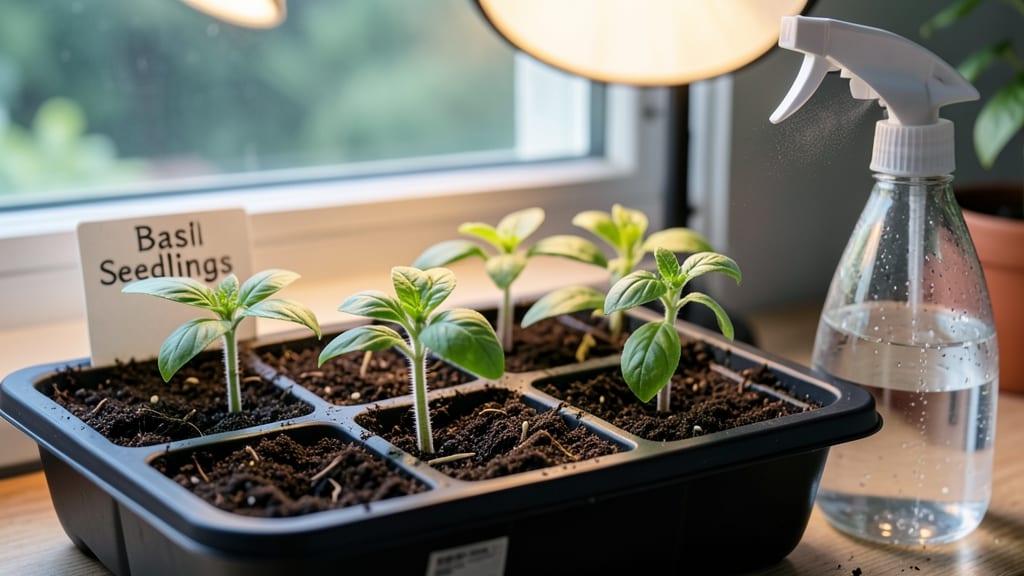
Growing basil from seed indoors gives you fragrant, homegrown leaves in just two weeks—no nursery trips needed. 🌱 I learned the hard way that store-bought seedlings often flop, but seeds? They’re the secret to bold, flavorful basil that tastes nothing like the wilted grocery store version.
The key is patience, warmth, and a sunny spot—no fancy equipment required. You’ll need three simple supplies: seed-starting mix, small pots or a tray, and a heat mat or warm windowsill. Basil seeds germinate fast, but they need consistent moisture and temperatures above 70°F to sprout reliably.
Skip the fancy setups—even a repurposed egg carton works for seedlings. By week three, you’ll be pinching back those first leaves to encourage bushier growth. The plants stay productive for months, giving you fresh basil for pesto, salads, and sandwiches whenever you crave it.
No more waiting for store-bought herbs to survive the trip home. This method works year-round, even in winter, and scales from one pot to a whole windowsill garden. Ready to grow your own? Here’s exactly how to do it without overcomplicating things.
📚 In This Guide
- What you need
- Instructions
- Tips and common mistakes
- Wrapping up and next steps
What you need
- ● Basil seeds: 1–2 packets (100–200 seeds total). Choose a variety like Genovese, Sweet Basil, or Purple Basil for best results.
- ● Seed-starting trays or small pots: 4–6 (2–3 inches deep). Opt for biodegradable pots or trays with drainage holes.
- ● Seed-starting mix: 1–2 bags (sterile, lightweight mix like pro-mix or coco coir). Avoid garden soil—it’s too dense for seeds!
- ● Plastic wrap or humidity dome: 1 sheet or lid (to retain moisture while seeds germinate).
- ● Spray bottle: 1 (with water or a rooting hormone for extra oomph).
- ● Grow lights or sunny windowsill: 1 (south-facing window or LED grow light for 12–16 hours/day).
- ● Watering can or cup: 1 (for gentle watering after germination).
- ● Heating mat: 1 (keeps soil warm for faster germination, ~70–75°F).
- ● Fertilizer: 1 (balanced liquid fertilizer, like 10-10-10, diluted to half-strength).
- ● Pruning shears: 1 (for pinching back stems to encourage bushiness).
- ● pH testing kit: 1 (to ensure soil pH is 6.0–7.0, ideal for basil).
Step-by-step instructions for growing basil indoors from seed
Here's my go-to method for fast, vigorous basil seedlings that'll be ready for your kitchen in just a few weeks.
🌱 Step 1: Prepare Containers and Seed Starting Mix
Fill 2-3 inch deep biodegradable pots with a sterile seed-starting mix—never garden soil, which can harbor damping-off pathogens. I like to add a tablespoon of perlite to every 4 cups of mix for better drainage. Moisten the soil until it's damp but not soggy, like a wrung-out sponge.
Press the soil surface lightly with your fingers to create a firm, even seedbed. This prevents seeds from washing away when you water. Tap the container gently on the table to settle the soil without compacting it too tightly. Here's the thing—basil seeds are tiny, so I use a skewer to make tiny holes about ¼ inch deep where I'll plant them.
🌱 Step 2: Plant Seeds and Provide Ideal Germination Conditions
Place 2-3 seeds in each hole (you'll thin later) and cover them with a thin layer of soil—just enough to barely conceal them. Mist the surface with a spray bottle until evenly moist, but don't soak it. Basil seeds germinate fastest at 75-80°F, so I place the pots in a warm spot like on top of the fridge.
Cover the pots with clear plastic wrap to create a mini greenhouse effect. Check daily for condensation—this is your signal the humidity is perfect. Germination happens in 7-14 days, but I've seen sprouts appear in just 5 days when conditions are ideal. Once you see the first green shoots, remove the plastic immediately to prevent fungal growth.
☀️ Step 3: Provide Bright Light for Strong Seedlings
The moment those first true leaves appear (the second set after the initial cotyledons), move your seedlings to the brightest window you have. South-facing windows work best, but if yours isn't sunny enough, supplement with a grow light positioned 2-4 inches above the plants for 14-16 hours daily. You'll know they're getting enough light when the leaves are dark green and the stems stay sturdy.
Rotate the pots a quarter turn daily so plants grow straight instead of leaning toward the light. Basil seedlings are particularly prone to stretching if light is insufficient—watch for long, pale stems with leaves spaced far apart. This is your plant's desperate attempt to reach light, and it weakens the stem permanently.
💧 Step 4: Water and Fertilize for Rapid Growth
Water when the top inch of soil feels dry to the touch, using room-temperature water to avoid shocking the roots. I like to water from the bottom by placing pots in a shallow tray of water for 10 minutes—this encourages strong root development. Let excess water drain completely before returning to their saucers.
When seedlings have 3-4 true leaves (about 3-4 weeks after planting), fertilize with a diluted liquid fertilizer (half-strength). I use fish emulsion because it's gentle but packed with nutrients. Here's the trick: fertilize every 2 weeks after that, but always water first to prevent root burn.
✂️ Step 5: Thin and Harden Off for Transplanting
Once seedlings are 2 inches tall, thin to the strongest plant per pot by snipping the weaker stems at the soil line with clean scissors. This prevents competition and gives your basil room to grow. I always save the thinnings for pesto—they're perfectly edible and make great microgreens.
Two weeks before your last frost date, start hardening off your basil by placing it outside in a sheltered spot for 1-2 hours the first day. Gradually increase outdoor time over 7-10 days, moving to partial shade at first. Basil is tender and can't handle frost, so wait until nighttime temperatures stay above 50°F before transplanting to the garden or larger containers.
Tips & tricks for growing basil indoors from seed
Fast germination is the name of the game—here's how to avoid the most common pitfalls that slow down your basil's growth.
Seed Starting Mix: The sterile seed-starting mix is non-negotiable, but here's the secret: if you can't find it, mix equal parts coco coir and perlite for a pathogen-free alternative. I've also had success with a 50/50 blend of peat moss and vermiculite when seed-starting mix isn't available. The key is avoiding garden soil—it's too heavy and often contains fungal spores that can kill your seedlings before they even sprout.
Lighting Strategy: That 14-16 hours of light isn't just about duration—it's about intensity. If your seedlings start stretching toward the light (a condition called "etiolation"), you're not providing enough brightness. Move them closer to the window or grow light, or add a second light source. I've seen basil seedlings grow 4 inches in a week when given proper light, compared to just 1 inch with insufficient lighting.
Temperature Matters: Maintaining that 75-80°F range for germination is crucial, but don't worry if your kitchen isn't naturally that warm. Place the pots on top of your fridge or near a heat source like a sunny window during the day. I've used a seedling heat mat set to 75°F under my pots, which cut my germination time from 14 days to just 5 days. Just remember to remove the heat source once you see sprouts—too much heat after germination can stress the seedlings.
Thinning Technique: When you thin to the strongest plant at 2 inches tall, don't just pull the weaker seedlings—snip them at the soil line with clean scissors. This prevents disturbing the roots of your remaining plant. I always save the thinnings for pesto because they're perfectly edible and packed with flavor. Plus, removing competition gives your main plant more nutrients to grow into a robust, bushy basil plant.
Pro Tips for Grow Basil From Seed Indoors
- Fast germination is the name of the game—here's how to avoid the most common pitfalls that slow down your basil's gro...
- Seed Starting Mix: The sterile seed-starting mix is non-negotiable, but here's the secret: if you can't find it, mix ...
- Lighting Strategy: That 14-16 hours of light isn't just about duration—it's about intensity. If your seedlings start ...
Frequently asked questions
How long does it take for basil seeds to germinate indoors?
Basil seeds typically sprout within 7–14 days when kept in warm, moist conditions (around 70°F/21°C). For faster results, soak seeds in warm water for 4–6 hours before planting and use a heat mat if your home is cooler. Patience is key—just keep the soil consistently damp!
Why aren’t my basil seeds sprouting? Troubleshooting tips?
If your seeds aren’t germinating, check these common issues:
- Cold soil: Basil needs warmth—keep pots in a sunny spot (70°F+ or use a seedling heat mat).
- Dry soil: Seeds need moisture to wake up—mist the soil daily or use a humidity dome.
- Old seeds: Store-bought seeds lose viability after 1–2 years. Test a few seeds in warm water to see if they float (floaters = dead).
- Too deep: Plant seeds only ¼ inch deep—they need light to germinate.
Can I grow basil indoors year-round, or does it need a break?
Yes! Basil thrives indoors year-round if you provide 6+ hours of bright light daily (a south-facing window or grow light works). However, it’s an annual, so expect it to flower and bolt (go to seed) after 3–6 months. Snip flowers to prolong leaf production, or start new seeds for a fresh batch.
What’s the best alternative if my basil seeds fail to grow?
If germination proves tricky, try these easy alternatives:
- Buy seedlings: Many garden centers sell young basil plants—just transplant them into pots with well-draining soil.
- Regrow from store-bought basil: Place stems in water until roots form, then transfer to soil.
- Try other fast-growing herbs: Cilantro, parsley, or dill germinate reliably indoors with similar care.
How do I prevent my indoor basil from getting leggy or weak?
Leggy basil is a sign of light deficiency. Fix it by:
- Moving plants to the sunniest window (south-facing is ideal) or supplementing with a grow light 12–16 hours/day.
- Rotating pots quarter-turns daily so all sides get even light.
- Pinching off top leaves to encourage bushier growth (stop when the plant is 6–8 inches tall).
Wrapping up and next steps
Growing basil from seed indoors is a rewarding journey that brings fresh, fragrant herbs right to your kitchen windowsill! With the right setup—sunlight, patience, and a little care—you’ll soon enjoy homegrown basil for pesto, salads, or teas. 🌱✨
Now that you’re ready to start, why not expand your indoor herb garden? Try growing cilantro, parsley, or mint next—each has its own unique growing quirks and flavors. Happy gardening!