
Planting
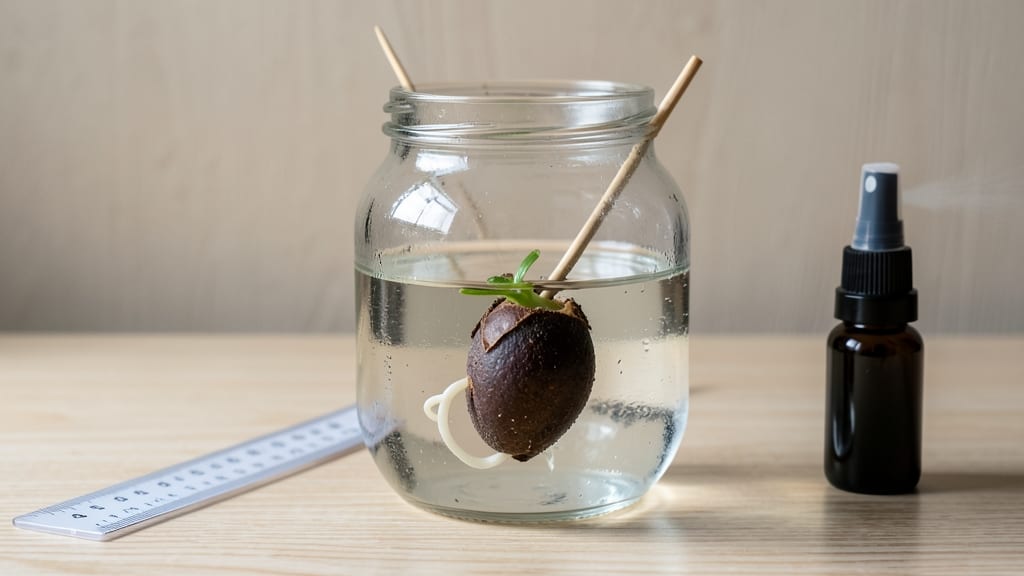
Planting a mango seed in water is the easiest way to start your own tropical tree—no greenhouse or fancy equipment needed. 🌱 The key is patience and keeping the seed just damp enough, not soggy, as roots can appear in as little as 2 weeks if conditions are right.
I’ve watched my own mango seedling grow from a tiny sprout to a thriving plant, and the process is simpler than you’d think.
All you need is a fresh mango seed (not dried), a small glass or jar, and clean water. The seed should float just below the surface, with about 1 inch of water covering it—too much can rot the seed, while too little slows growth.
Place it near a bright window (but not direct sun) and change the water every 3-4 days to prevent bacteria buildup.
Once roots reach 2-3 inches, you’ll know it’s time to transplant into soil. The first leaves will appear in 4-6 weeks, and with proper care, your seedling could grow into a full-sized tree in 5-10 years.
The best part? You’ll have a living reminder of your first gardening success every time you taste that mango.
Common mistakes like overwatering or using old seeds are easy to avoid—just stick to fresh seeds and keep the water fresh. Even if your first try doesn’t work, most people get it right on the second attempt.
The reward? A tropical tree that thrives indoors or out, depending on your climate.
📚 In This Guide
- What you need
- Instructions
- Tips and common mistakes
- Wrapping up and next steps
What you need
- ● Fresh mango seed: Choose a seed from a ripe, organic mango (avoid hybrid or grafted varieties for best results).
- ● Clean glass or jar: A 16–24 oz (500–700 mL) clear glass with a wide mouth works best (e.g., a mason jar or large drinking glass).
- ● Water: Filtered or distilled water (tap water may contain chlorine or fluoride, which can inhibit growth).
- ○ Paper towel or coffee filter: A single sheet to wrap the seed (optional but helps with drainage).
- ● Rubber band or string: To secure the seed wrap.
- ● Bright, indirect sunlight location: A windowsill or grow light setup (avoid direct sun until roots are established).
- ● Patience (and a notebook!): Track progress with dates and observations.
- ● Hydroponic nutrients: A tiny pinch of seaweed extract or diluted liquid fertilizer (once roots sprout).
- ● Small pebbles or gravel: A layer at the bottom of the glass for better drainage.
- ● Spray bottle: To mist the seed if the air feels too dry.
- ● Planting pot and soil: For transplanting after roots reach ~2 inches (4–6 weeks).
- ● Humidity dome or plastic wrap: To create a mini greenhouse effect (remove once sprouts appear).
Step-by-step instructions for growing a mango seedling in water
Here's how to turn that grocery store mango pit into a thriving seedling with strong roots in just two weeks.
🌱 Step 1: Prepare the Mango Seed
Start with a fresh mango pit—older seeds germinate poorly. Rinse it thoroughly to remove any fruit residue, then let it dry completely for 12 hours. This prevents mold from forming in your water. I like to gently scrape off any remaining flesh with a spoon, being careful not to damage the seed's outer shell.
Next, place the seed between two damp paper towels, folding them to create a cozy, moist environment. Store this in a sealed plastic bag and keep it in a warm spot—75-85°F works best. You'll see tiny roots emerging within 3-7 days, signaling it's ready for the water method. Don't rush this step; a well-prepared seed grows faster.
💧 Step 2: Set Up the Water Container
Use a clear glass or jar with a wide enough opening to accommodate the seed's eventual growth. Fill it with room-temperature water—cold water shocks the seed, while warm water can overheat it. I prefer a glass that's at least 6 inches tall so roots have space to develop without overcrowding.
Place the seed in the water with the flat side down and the pointed end up. The flat side contains the embryo, so positioning it correctly ensures proper growth. Change the water every 2-3 days to prevent bacteria buildup. You'll notice roots growing downward within 7-10 days, and tiny leaves will appear at the top after another week.
☀️ Step 3: Provide Light and Monitor Growth
Position your seedling in a spot with bright, indirect light. A south-facing window is ideal, but avoid harsh direct sunlight, which can overheat the glass and scorch delicate leaves. If your space is dim, supplement with a grow light placed 12 inches away for 10-12 hours daily.
Watch for signs of overwatering—yellowing leaves or a foul smell mean it's time to refresh the water. Roots should grow 2-4 inches long before transplanting. When they reach this stage, they'll be thick and white, ready for their next phase. This usually happens within 2-3 weeks, depending on your seed's vigor.
🌿 Step 4: Prepare for Transplanting
Once roots are 2-4 inches long and you see 2-3 true leaves, it's time to transition the seedling to soil. Fill a small pot with well-draining potting mix and make a hole deep enough to bury the seedling up to its first set of leaves. This helps stabilize it and encourages root growth.
Gently remove the seedling from the water, being careful not to damage the roots. Shake off excess water, then place it in the hole and firm the soil around it. Water lightly to settle the mix, but avoid soaking it—you want the roots to establish contact with the soil, not float in water. Keep the pot in bright, indirect light for 1 week to help it adjust.
⏰ Step 5: Care for Your Young Mango Seedling
After transplanting, water the seedling when the top inch of soil feels dry—usually every 5-7 days. Mango seedlings are sensitive to overwatering, so always check moisture before adding more. Place the pot in a warm, humid environment, like a greenhouse or under a plastic cover, to mimic tropical conditions.
Be patient—it can take 2-5 years for a mango seedling to bear fruit, but the journey is rewarding. If you notice leaves yellowing or wilting, adjust watering or light exposure. With consistent care, your seedling will grow into a sturdy young tree, ready for its next phase in a larger container or garden bed.
Tips & tricks for growing mango seedlings in water
Here's what nobody tells you about turning that grocery store pit into a thriving little tree.
Seed Selection: Not all mango pits will germinate—look for seeds that are firm and heavy for their size. I've found that seeds from ripe, red mangoes (like the popular grocery store varieties) tend to sprout more reliably than those from green ones. After you've rinsed and dried your seed for the required 12 hours, tap it gently on a hard surface—if it makes a hollow sound, it's ready to go. A solid thud means it's still too moist or the seed might be old.
Temperature Matters: While the instructions mention keeping your seedling in a warm spot (75-85°F), I've noticed that consistency is even more important than the exact temperature. If your home tends to get chilly at night, consider moving the seedling closer to a warm spot like near a sunny window during cooler hours. You'll see roots emerge faster when the environment stays warm and stable—this is especially true during those first critical 3-7 days when the seed is just waking up.
Lighting Strategy: That bright, indirect light recommendation is key, but here's the thing: if you notice your seedling leaning toward the light source, it's time to rotate the container daily. This prevents the seedling from growing lopsided, which can happen within just a few days. For those without south-facing windows, a simple LED grow light on a timer works wonders—I keep mine 12 inches away for those 10-12 hours daily, and it makes all the difference in keeping the leaves vibrant and healthy.
Pro Tips for Plant A Mango Seed In Water
- Here's what nobody tells you about turning that grocery store pit into a thriving little tree.
- Seed Selection: Not all mango pits will germinate—look for seeds that are firm and heavy for their size. I've found t...
- Temperature Matters: While the instructions mention keeping your seedling in a warm spot (75-85°F), I've noticed that...
Frequently asked questions
Got questions about growing your mango seed in water? You’re not alone! Here are some of the most common questions—and straightforward answers—to help you succeed.
How long does it take for a mango seed to sprout in water?
A mango seed typically sprouts roots in 2 to 4 weeks when kept in water. The timing depends on factors like water temperature (warmer = faster), seed freshness, and consistency of moisture. Patience is key—don’t rush it! Once roots reach 1-2 inches, it’s ready for soil.
What kind of water should I use for germinating a mango seed?
Use room-temperature water (not tap water straight from the faucet, which can contain chlorine). Let it sit out for 24 hours to evaporate chlorine or use filtered/distilled water. Change the water every 2-3 days to prevent bacteria or mold. Avoid ice-cold water—it can shock the seed!
What if my mango seed rots in water?
If your seed turns mushy, smells bad, or grows black mold, it’s rotting. This usually happens from too much water or poor drainage. To fix it: remove the seed, trim any soft spots with sterile scissors, and let it dry for a day before replanting in fresh water. If it’s too far gone, try another seed!
Can I plant the seed directly in soil without water first?
Yes, but it’s riskier. Mango seeds have a hard outer shell that slows water absorption. Soaking in water for 3-5 days softens the shell and kickstarts root growth. If you skip this step, keep the soil consistently moist (not soggy) and be patient—it may take longer to sprout.
How do I know when to transfer the seedling to soil?
Wait until you see roots 1-2 inches long and a tiny green shoot (the sprout) emerging. Gently plant the seed halfway into well-draining soil, leaving the top half exposed. Use a small pot with drainage holes, and keep the soil warm and moist. Avoid transplant shock by not watering heavily right away!
Wrapping up and next steps
Growing a mango tree from a seed is a rewarding journey that blends patience with the joy of nurturing life! 🌱 By following these simple steps—soaking, sprouting, and transplanting—you’ve taken the first exciting steps toward a potential fruit-bearing tree.
Remember, even if not every seed thrives, each attempt is a learning experience filled with green thumbs and green dreams.
Now that your seedling has sprouted roots, the next logical step is to transplant it into soil. Choose a sunny spot, prepare nutrient-rich soil, and give your little mango tree the love it deserves. Happy planting—your future tree is counting on you! 🌿