
Lawn
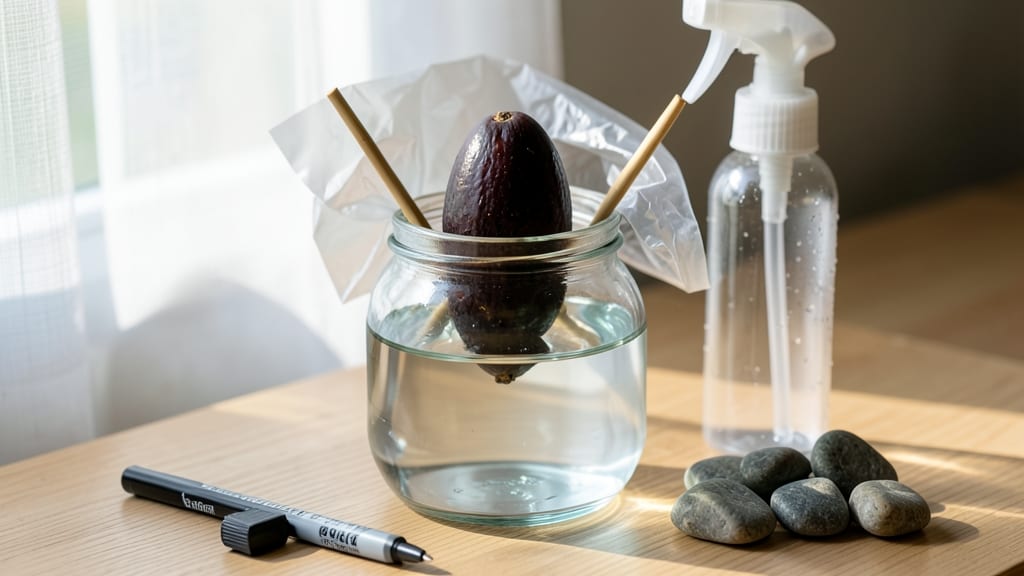
Preparing an avocado seed for planting turns your kitchen scrap into a living plant with just three simple steps—no fancy tools needed. 🌱 I’ve turned pit after pit into a thriving bonsai-style tree, and the process is easier than you’d think, especially when you know the little tricks that make all the difference.
Start by cleaning the seed thoroughly, then insert 4 toothpicks around the middle to suspend it over water. The key is patience—germination takes 4-6 weeks, and the root should grow down while the sprout pushes upward.
Most people rush this part and end up with a tangled mess, but keeping the seed upright saves headaches later. Once you see roots and a sprout, transfer it to soil when the root reaches 2-3 inches.
The first leaves will appear in 2-3 months, and with proper care, your avocado tree could live for decades. The smell of fresh soil and the sight of new growth make every waiting week worth it. This method works year-round, but winter germination takes longer due to cooler temperatures.
If your seed doesn’t sprout after 8 weeks, don’t give up—some seeds just need more time. Keep the water fresh and the toothpicks secure, and you’ll be rewarded with a unique houseplant that’s surprisingly easy to care for.
📚 In This Guide
- What you need
- Instructions
- Tips and common mistakes
- Wrapping up and next steps
What you need
- ● Avocado seed (pit) – Fresh is best (within 2–3 weeks of eating the fruit).
- ● Toothpicks (3–4) – Wooden or plastic, about 3–4 inches long.
- ● Glass or jar – A clean, clear container (mason jar, glass, or even a tall drinking glass) with a mouth wide enough to fit the pit.
- ● Water – Tap or distilled, enough to cover the bottom 1–2 inches of the jar.
- ● Paper towels or napkins – 2–3 sheets, cut to fit snugly around the pit.
- ● Rubber band or string – To secure the toothpicks and pit in place.
- ● Patience! 😉 – Germination can take weeks (4–12 weeks, typically).
- ● Spray bottle – For gentle misting if the paper towels dry out.
- ● Small plate or saucer – To place under the jar and catch drips.
- ● Grow light or sunny windowsill – A bright spot (indirect light) speeds up growth.
- ● Notebook & pen – To track progress (because watching a seed sprout is that rewarding!).
Step-by-step instructions for germinating avocado seeds
Here’s my foolproof method for turning an avocado pit into a thriving seedling—no fancy tools or science degree required.
🪴 Step 1: Clean and Prep the Seed
Start by rinsing the avocado pit under cool water to remove any leftover pulp or residue. Use a paper towel to pat it dry completely—moisture trapped inside will encourage mold instead of roots. I like to soak the pit in a glass of water for 24 hours to soften any stubborn flesh still clinging to it.
Once clean, inspect the pit for any visible cracks or soft spots. If you find any, gently scrape them away with a spoon to prevent rot later. The goal here is a smooth, dry surface ready for root growth. Place the pit on a towel to air-dry for another 12 hours before moving to the next step.
✂️ Step 2: Insert Toothpicks for Support
Insert three toothpicks evenly around the pit’s middle, about ¼ inch apart. The toothpicks should hold the pit ½ inch above the rim of a glass or jar filled with 2-3 inches of water. This creates a stable bridge so the bottom half of the pit stays submerged while the top remains dry.
I know it looks wobbly, but this is the key to success—keeping the pit steady while allowing roots to grow downward into the water. If the toothpicks slip, adjust them until the pit sits securely. Fill the glass with enough water to just cover the bottom ½ inch of the pit.
💧 Step 3: Maintain Water and Monitor Growth
Place the glass in a warm, bright spot—65-75°F works best—where it gets indirect sunlight for 8-12 hours daily. Check the water level every 2-3 days and top off as needed; the water should never touch the top of the pit, or it’ll rot.
Within 2-6 weeks, you’ll see a ½-inch root emerge from the bottom. This is your signal to keep the water level consistent—never let it drop below the root tips. If mold appears on the water’s surface, dump it and refill with fresh water immediately.
🌱 Step 4: Transition to Soil When Roots Are Strong
Once the root reaches 2-3 inches, it’s time to plant. Fill a 4-inch pot with well-draining potting mix (I mix equal parts potting soil and perlite). Dig a hole deep enough to bury the pit ½ inch below the soil line, leaving the top exposed.
Water lightly after planting, then place the pot in bright, indirect light for 1-2 weeks to acclimate. You’ll see the first leaves emerge in 4-8 weeks—patience is key here. Keep the soil moist but not soggy, and avoid direct sun until the seedling is established.
☀️ Step 5: Gradually Introduce Sunlight
After 4 weeks in soil, move the pot to a sunny windowsill for 2-3 hours daily, gradually increasing exposure over 10-14 days. A south-facing window is ideal, but avoid scorching midday sun until the seedling has 3-4 leaves.
Here’s the thing—avocado seedlings grow slowly at first. Don’t rush it. Once the plant reaches 6 inches tall, you can fertilize lightly with a balanced houseplant fertilizer diluted to half strength. Real talk: It’ll take 6-12 months to see fruit, but the journey is worth it.
Tips & tricks for perfect avocado seed germination
These simple tricks will help you avoid common pitfalls and give your avocado seed the best possible start.
The Cleanliness Factor: After rinsing your pit, I can't stress enough how important it is to pat it completely dry. Any lingering moisture trapped inside will create the perfect environment for mold to develop instead of roots. Place the pit on a paper towel and let it air-dry for the full 12 hours—don't rush this step, even if it feels like waiting forever. A completely dry pit is your first line of defense against rot.
Toothpick Placement Secret: When inserting those three toothpicks, I've learned the hard way that even spacing matters. Place them about ¼ inch apart around the pit's middle, but don't make them too tight—they should hold the pit securely but not squeeze it. The pit should sit ½ inch above the water, with the bottom half submerged. If it wobbles too much, adjust the toothpicks until it's stable. This balance is crucial for proper root development.
Water Level Watch: The ½ inch of water covering the bottom of the pit is non-negotiable. Too much water will drown the pit, while too little will prevent root growth. I like to use a clear glass so I can easily monitor the water level—top off every 2-3 days but never let it touch the top of the pit. And remember, if you see mold on the water's surface, dump it all and start fresh with clean water immediately.
Lighting Strategy: That 65-75°F warm spot with 8-12 hours of indirect sunlight is your seedling's sweet spot. I've found that placing the glass on a bookshelf near a south-facing window works perfectly. If your space gets direct sunlight, use a sheer curtain to diffuse the light—avocado seedlings are sensitive to intense sun at this early stage. Rotate the glass occasionally so the pit gets even exposure all around.
Pro Tips for Prepare An Avocado Seed For Planting
- These simple tricks will help you avoid common pitfalls and give your avocado seed the best possible start.
- The Cleanliness Factor: After rinsing your pit, I can't stress enough how important it is to pat it completely dry. A...
- Toothpick Placement Secret: When inserting those three toothpicks, I've learned the hard way that even spacing matter...
Frequently asked questions
How long does it take for an avocado seed to sprout?
Patience is key! With the right setup (like the toothpick method), you’ll typically see roots emerging in 2–6 weeks. Once roots are 2–3 inches long, the shoot may appear in another 2–4 weeks. Keep the seed moist and warm—consistency speeds up germination!
Can I plant the avocado seed directly in soil without pre-germinating?
Yes, but success rates drop. Burying the seed 1–2 inches deep in well-draining soil (like a pot with holes) can work, but pre-germinating first gives roots a head start. If you skip the water jar, expect slower growth and higher chances of rot.
What’s the best temperature for avocado seed germination?
Aim for a cozy 70–85°F (21–29°C) range—think indoors near a sunny window or under grow lights. Avoid drafts or cold spots (below 60°F/15°C), which can stall growth. A heating mat (optional) can help if your home runs chilly.
Why is my avocado seed rotting or moldy?
Overwatering or poor drainage is usually the culprit. Let the seed dry slightly between waterings—the toothpicks should stay moist but not soggy. If mold appears, rinse with water, trim affected areas, and repot in fresh, sterile soil. Airflow helps too!
How do I know if my avocado seedling is healthy?
A thriving seedling has:
- Firm, green leaves (not yellow or wilted).
- Steady root growth (roots should be white, not brown/mushy).
- No pests (check for spider mites or fungus gnats).
Wrapping up and next steps
Preparing an avocado seed for planting is a simple yet rewarding process that can bring a touch of greenery into your home or garden!
With just a few basic supplies and a little patience, you can nurture a thriving avocado tree from what was once considered waste. Remember, consistency is key—keep your seedling well-watered and in a sunny spot, and soon you’ll be enjoying the fruits of your labor (literally!).
Now that you’re ready to plant, why not take the next step? Share your progress with fellow plant enthusiasts online or experiment with different growing conditions to see what works best for your avocado seedling! 🌱