
Lawn
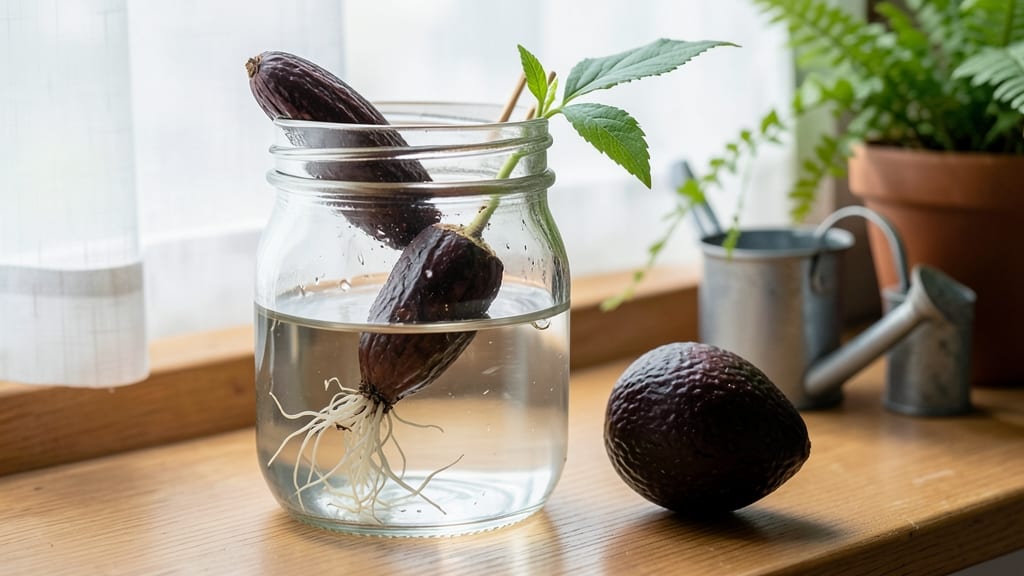
Sprouting an avocado seed in water turns your kitchen trash into a lush little tree—no green thumb required. 🌱 I’ve watched my own seedling grow from a soggy pit to a thriving plant with glossy leaves, and the process is simpler than you’d think.
The key? Patience and keeping the water fresh, because mold and stagnant roots are the real enemies here.
You’ll need just three things: a ripe avocado, toothpicks (or a knife), and a jar of water. The toothpicks prop up the seed so only the bottom half soaks, while the jar keeps everything contained.
Within two weeks, you’ll spot tiny roots reaching for the water—proof you’re on the right track. The real magic happens when those roots grow 4-6 inches long, signaling it’s time to plant.
By day 60, you’ll have a sturdy seedling with 3-4 inches of new growth, ready to transplant into soil. The challenge? Preventing mold (drain the water every 2 days) and keeping the seed upright.
But once you crack the method, you’ll have a houseplant that doubles as a conversation starter—and maybe even a future tree.
This works anywhere, from sunny windowsills to dim corners, as long as you stay consistent. The best part? Even if the seedling struggles, you’ve already learned the basics of nurturing new life. Ready to grow your own?
📚 In This Guide
- What you need
- Instructions
- Tips and common mistakes
- Wrapping up and next steps
What you need
- ● 1 fresh avocado pit – Choose a seed from a ripe, organic avocado (the bigger, the better!)
- ● 3-4 toothpicks or skewers – For balancing the seed (ensure they’re food-safe and clean)
- ● 1 clear glass or jar – At least 8 oz in size (wide-mouth works best for stability)
- ● Water – Filtered or room-temperature tap water (avoid chlorine if possible)
- ● Paper towels or a damp cloth – To keep the seed moist during the initial sprouting phase
- ● Potting soil (well-draining mix) – For transplanting once roots grow (~6-8 inches)
- ● Small pot or container (6+ inches deep) – With drainage holes to prevent root rot
- ● Plant food or compost – To boost growth after transplanting (use sparingly!)
- ● Spray bottle – For gentle watering post-transplant
- ● Grow lights or sunny windowsill – If your space lacks natural light
Step-by-Step instructions for sprouting an avocado seed in water
Here's the foolproof method I've used to grow avocado plants from kitchen scraps—no fancy tools or green thumbs required.
🌱 Step 1: Prepare the Seed and Soak It
Start with a fresh avocado pit—you'll know it's ready when the brown skin slips off easily. Rinse it thoroughly under cool water to remove any fruit residue, then let it air-dry for 10 minutes. This prevents mold from forming later.
Place three or four toothpicks around the pit, spacing them evenly. The toothpicks should be positioned about ½ inch from the top—this is where you'll want to suspend it later. I like to angle them slightly so the pit sits securely. Real talk: if the toothpicks wobble, the pit will tip and soak unevenly, which slows root growth.
💧 Step 2: Suspend the Seed Over Water
Fill a glass or jar with 3-4 inches of room-temperature water—enough to cover about ½ inch of the bottom of the pit. Gently lower the toothpicked avocado so the wider, flatter side faces down (this is where the roots will emerge) and the pointed end stays dry. The water should touch only the bottom ¼ inch of the seed.
Change the water every 2-3 days to keep it fresh and prevent bacteria buildup. You'll see roots emerging in 2-4 weeks, depending on your kitchen's warmth. Here's the thing—if the water gets cloudy or smells funky before that, dump it and refresh immediately. Stagnant water is the #1 reason sprouts fail.
☀️ Step 3: Monitor Growth and Transition to Soil
Once roots reach 2-3 inches long, it's time to plant. Fill a 6-inch pot with well-draining potting mix—I mix equal parts potting soil and perlite for extra aeration. Make a hole about 1 inch deep and place the avocado pit so the roots dangle into the soil while the top half remains exposed. This prevents rot.
Water lightly until the soil feels damp but not soggy. Place the pot in bright, indirect light (a south-facing window works best). You'll notice the seedling start to sprout in 4-6 weeks, but don't rush it—pushing growth too soon causes weak stems. Keep the soil consistently moist, but never waterlogged. You'll know it's right when the top inch feels dry to the touch.
🌿 Step 4: Care for Your Young Avocado Tree
After the first true leaves appear, move the plant to a sunny spot with 6+ hours of light daily. Avocado trees love warmth—keep it in 65-75°F temperatures. If your home runs cooler, supplement with a grow light for 12-14 hours a day. Without enough light, the leaves turn yellow and growth stalls.
Fertilize lightly every 4-6 weeks with a balanced 10-10-10 fertilizer (half-strength). Over-fertilizing burns tender roots, so I always dilute it first. Watch for pests like spider mites—wipe leaves with a damp cloth weekly to keep them clean. With patience, your seedling will grow 3-4 feet tall in its first year.
Tips & tricks for sprouting avocado seeds
A few simple adjustments can make all the difference between a thriving avocado plant and a failed experiment. Here's what I've learned from growing dozens of these from kitchen scraps.
Toothpick Placement Matters: In Step 1, positioning those toothpicks ½ inch from the top is crucial—they need to balance the seed perfectly so it stays upright in the water. I've seen seeds tip over when toothpicks are too low, causing uneven soaking. Use wooden toothpicks instead of plastic—they grip better and won't dissolve in water. For extra stability, angle them slightly downward toward the center of the seed.
Water Level is Critical: The instructions specify keeping water at ¼ inch contact with the seed's bottom—this is non-negotiable. Too much water causes rot, while too little prevents root growth. I use a clear glass so I can easily monitor the level. If your kitchen stays cooler (below 65°F), you might need to increase water changes to every 2 days since roots grow slower in cold water.
Light Transition Strategy: When moving your seedling to soil in Step 3, place it in bright, indirect light for the first 2 weeks before full sun. Sudden exposure can scorch tender leaves. I've seen seedlings develop brown spots when moved straight to direct sunlight. After the first true leaves appear, gradually increase sun exposure over 5-7 days to harden the plant.
Soil Mix Secrets: The 6-inch pot with equal parts potting soil and perlite creates perfect drainage, but here's the pro move: Add a handful of coarse sand to the mix for even better aeration. This prevents compaction around the roots. When planting, bury the seed just enough so the roots dangle freely—this encourages them to grow downward into the soil rather than curling up.
Pro Tips for Sprout An Avocado Seed In Water
- A few simple adjustments can make all the difference between a thriving avocado plant and a failed experiment.
- Toothpick Placement Matters: In Step 1, positioning those toothpicks ½ inch from the top is crucial—they need to balance the seed perfectly so it stays upright in the water.
- Water Level is Critical: The instructions specify keeping water at ¼ inch contact with the seed's bottom—this is non-negotiable.
Frequently asked questions
Got questions about sprouting an avocado seed?
You’re not alone! Here are answers to the most common queries to keep your little seedling thriving—no guesswork required.
How long does it take for an avocado seed to sprout?
Patience is key! Roots typically emerge in 2–6 weeks, while the first leaves (sprout) may take 6–8 weeks or longer. Warmth (70–80°F) and consistent moisture speed things up. If nothing happens after 8 weeks, gently check for mold or rot—your seed might need a reset.
Why is my avocado seed rotting in water?
Overwatering or poor drainage is the usual culprit. Keep just the bottom 1–2 inches submerged in fresh, room-temperature water. Drain excess water daily, and use a jar with holes (or swap water every 2–3 days). If mold appears, rinse the seed and let it dry slightly before re-submerging.
Can I plant the seed directly in soil without sprouting it in water first?
Yes! Some gardeners bury the seed halfway in moist soil (pointy end up) and wait. However, pre-sprouting in water gives you a head start and helps monitor root health. If planting dry, keep soil consistently damp and expect slower (but still possible!) germination.
How do I know when to transplant my avocado seedling to soil?
Wait until you see 2–3 healthy leaves and roots reaching 3–4 inches long. Transplant into a pot with well-draining soil (cactus/succulent mix works great). Bury the seedling up to its first leaves, and keep soil moist but not soggy. Harden off for a week before moving outdoors (if in a warm climate).
Will my avocado tree ever produce fruit?
Yes—but it’s a marathon, not a sprint! Indoor-grown avocado trees can take 5–13 years to bear fruit, and they need full sun, high humidity, and cross-pollination (often from another tree). Start with a dwarf variety like ‘Bacon’ for better chances. Outdoor trees in tropical climates may fruit sooner.
Still stumped? Drop your question in the comments—we’re happy to help your seed grow into a tree!
Wrapping up and next steps
Sprouting an avocado seed in water is a rewarding journey that turns a simple kitchen scrap into a thriving plant! With just a little patience and care—like keeping those roots happy in water and providing the right light—you’ll watch life grow right before your eyes. 🌱
Now that you’ve mastered the basics, why not take it further? Once your seedling has strong roots and a few leaves, it’s time to plant it in soil and give it a forever home in your garden.
Who knows? You might just grow a full-sized avocado tree—and maybe even fruit someday!